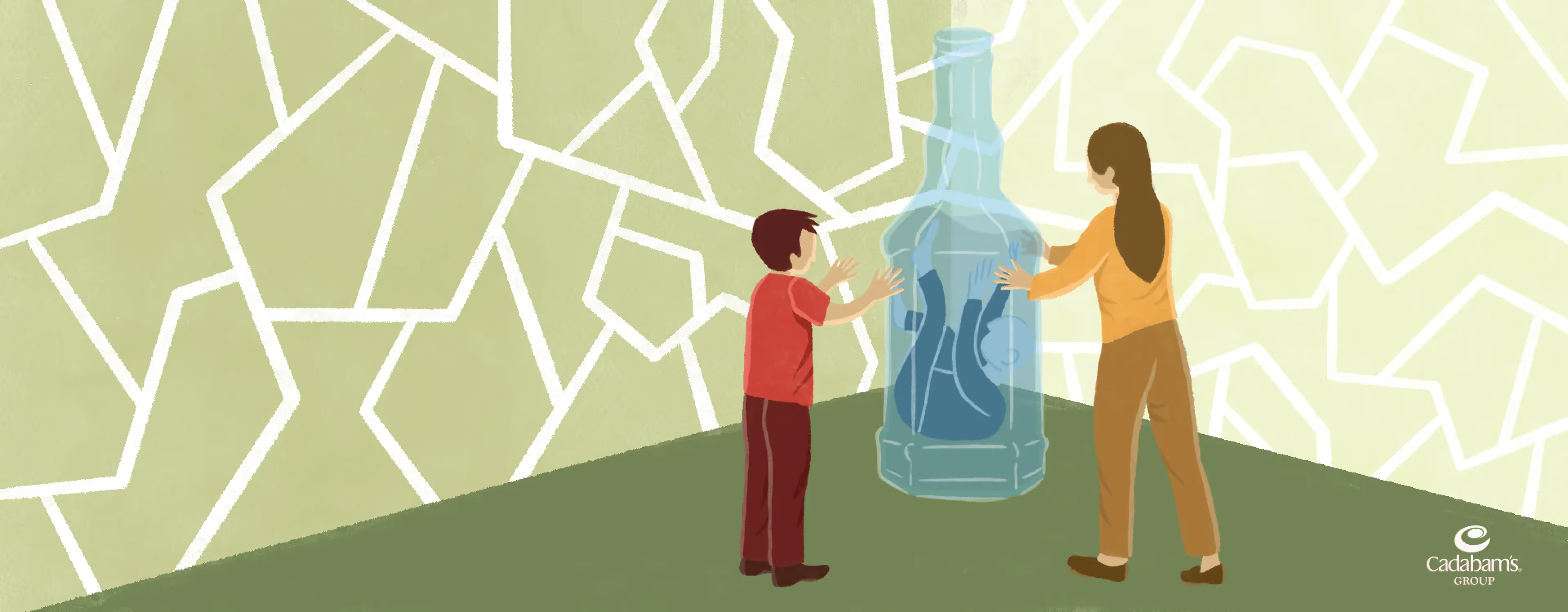
When a loved one decides to seek help for alcohol dependence, it marks a pivotal moment of hope and healing. This guide explains what families should know before alcohol rehab, offering clarity and support as you navigate this challenging but transformative journey of deaddiction and recovery together.
Why Family Awareness Matters in Alcohol Rehab
Understanding your role is the first step in creating a foundation for successful recovery. Family involvement is not just beneficial; it's often a critical component of the entire rehabilitation process.
The Role of Family in Recovery
This is a key part of what families should know before alcohol rehab, as recovery outcomes often improve when families are actively involved. The journey through recovery extends beyond the individual, creating a ripple effect that touches everyone close to them.
Families are part of the recovery ecosystem
Your loved one’s healing journey does not happen in isolation. You are an integral part of their environment and support system. By participating in their recovery, you help create a stable, encouraging atmosphere that fosters lasting change and reduces the chances of relapse post-treatment.
Emotional support can significantly impact treatment outcomes
The family role in alcohol rehab is profound. Consistent, non-judgemental support can bolster your loved one’s motivation and resilience. Knowing they have a family that believes in them can make the difficult days in rehab feel more manageable and reinforce their commitment to sobriety.
Breaking Stigma and Misconceptions
Societal stigma can create barriers to seeking help. As a family, you have the power to reshape the narrative around rehabilitation.
Rehab is not a punishment but a path to health
It is crucial to view alcohol rehabilitation as a medical necessity, similar to treating any other chronic illness, like diabetes or heart disease. This perspective shift helps your loved one feel supported and cared for, rather than shamed or ostracised for seeking professional help.
Normalising treatment reduces shame and resistance
Openly discussing rehab as a positive and courageous step helps diminish the shame that often accompanies addiction. When a person feels understood rather than judged, they are more likely to engage fully with their treatment program and embrace the tools offered for their recovery.
Understanding the Rehab Process
To offer effective support, it’s important to know what to expect before rehab and during the initial stages. Familiarising yourself with the process can demystify the experience and help you manage your own anxieties.
What Happens During Detox and Early Treatment
Knowing what to expect before rehab can help families feel more prepared for the physical and emotional shifts that often appear in these early days. The first phase of rehab focuses on stabilising the body and mind, which can be an intense period for your loved one.
Medical supervision for withdrawal is critical
Alcohol withdrawal can be uncomfortable and, in severe cases, dangerous. Reputable rehabilitation centres like Cadabam’s provide 24/7 medical supervision to manage symptoms safely, ensuring your loved one’s physical health is protected while their body clears itself of alcohol.
Setting realistic expectations for physical and emotional changes is key
During detoxification and early treatment, your loved one may experience a range of emotions, including irritability, anxiety, and exhaustion. It’s important to understand that this is a normal part of the process and not a reflection of their commitment to recovery.
The Structure of Inpatient vs Outpatient Programs
Choosing the right type of program depends on the individual's needs, and each model involves families in different ways.
Inpatient and outpatient programs differ in commitment and routine
Inpatient (residential) rehab provides an immersive, structured environment away from daily triggers. Outpatient programs allow the individual to live at home while attending treatment sessions. The choice depends on the severity of the dependence and the person’s home environment.
Families can stay engaged in both models
In inpatient settings, engagement often happens through scheduled family therapy sessions and calls. For outpatient programs, families can be more involved in daily routines, helping to create a supportive home life that reinforces the lessons learned during therapy and counselling.
How Families Should Prepare Before Admission
Much of the stress comes from uncertainty, which is why understanding what families should know before alcohol rehab is essential for both emotional readiness and practical planning. Proper alcohol rehab family preparation is crucial for a smoother transition for everyone involved. Taking practical and emotional steps beforehand can make a significant difference.
Managing Expectations
Clear expectations also play a crucial role in supporting a loved one in rehab. Recovery is a marathon, not a sprint. Setting realistic expectations helps prevent disappointment and burnout for both you and your loved one.
Recovery is a process, not a quick fix
Rehabilitation provides the tools for sobriety, but a person’s journey continues long after they leave the centre. Understand that there will be good days and difficult days. Patience and long-term commitment are vital for providing effective family support for alcohol recovery.
Relapse risks and long-term support needs must be acknowledged
Relapse can be a part of the recovery process for some individuals. It is not a sign of failure but an indication that the recovery plan may need adjustment. Preparing for this possibility helps families respond with support rather than panic or blame.
Handling Practical Matters
Addressing logistical concerns before admission allows the family and the individual to focus entirely on the recovery process. Taking care of these details in advance is a key element of alcohol rehab family preparation, allowing everyone to focus fully on recovery once treatment begins.
Sort out finances, insurance, and work or childcare arrangements
Before admission, investigate insurance coverage and payment options with the rehab centre. Arranging for time off work, managing bill payments, and organising childcare ensures that life’s responsibilities are managed, reducing stress for everyone and allowing your loved one to focus on their healing.
Communication protocols while the person is in rehab
Most centres have specific rules about contact to allow the individual to focus on their treatment. Discuss and agree upon these protocols with the centre and your loved one beforehand to manage expectations about when and how you will communicate.
Family Prep Checklist Before Rehab
A little preparation can make the transition into rehab smoother and less overwhelming. This checklist covers the key practical steps families should take before admission.
- Confirm Insurance and Finances: Verify coverage with your provider and discuss payment plans with the rehabilitation facility.
- Arrange Time Off: Speak with employers to arrange necessary leave for your loved one and any family members attending therapy.
- Secure the Home: Remove all alcohol and related paraphernalia from the house to create a safe, sober environment for their return.
- Organise Responsibilities: Plan for childcare, pet care, and the management of household bills and other obligations.
- Gather Important Documents: Collect necessary identification, medical records, and insurance information for a smooth admission process.
- Pack Accordingly: Help your loved one pack comfortable clothing, personal care items, and any approved personal effects.
Communication and Boundaries
Thoughtful communication is one of the most practical ways of supporting a loved one in rehab. Learning to communicate effectively and set healthy boundaries is fundamental to creating a supportive, non-enabling family dynamic.
Healthy Communication Practices
The way you talk about addiction and recovery can either build bridges or create walls. Adopting new communication habits is a key part of supporting a loved one in rehab.
Avoid blame or shame-based language
Language that assigns blame, such as "Why did you do this to us?" can trigger guilt and defensiveness, hindering open dialogue. Instead, use "I" statements to express your feelings, such as "I feel worried when I think about your health."
Encourage honesty and openness in a safe space
Create an atmosphere where your loved one feels safe to share their struggles without fear of judgement. Active listening, hearing them out completely before responding, shows that you respect their perspective and are genuinely there to support them through their deaddiction journey.
Setting Boundaries Without Withdrawing Support
Boundaries are not about punishment; they are about protecting your own well-being and encouraging your loved one’s accountability.
Balance compassion with accountability
A healthy boundary might be refusing to provide money that could be used for alcohol, while still offering to drive them to a support group meeting. This shows you are supporting their recovery efforts, not their substance use, by separating the person from the behaviour.
The importance of self-care for family members is paramount
Supporting someone through recovery can be emotionally draining. It is essential to prioritise your own mental health by attending support groups like Al-Anon, engaging in hobbies, and seeking therapy for yourself. You cannot pour from an empty cup.
Free · Confidential
Book screening with our triage team
Speak to a clinician in minutes. We’ll help you figure out the right next step.
Supporting Recovery During and After Rehab
Ongoing family support for alcohol recovery plays a vital role in helping the progress made in treatment translate into lasting change at home. Your involvement doesn't end when your loved one enters rehab; it evolves. Active participation during and after treatment can significantly improve long-term outcomes.
Family Therapy and Involvement in Treatment
Professional guidance helps the entire family heal and learn new ways of interacting. This highlights the true family role in alcohol rehab.
Family counselling sessions are invaluable
At Cadabam’s, we integrate family therapy into our treatment programs because we know that addiction affects the whole family. These sessions provide a mediated space to resolve conflicts, improve communication, and heal relationships damaged by alcohol dependence.
Learning to understand triggers and relapse signs is empowering
Through family education and therapy, you can learn to identify the environmental or emotional triggers that may challenge your loved one’s sobriety. This knowledge empowers you to help create a home environment that actively supports their continued recovery journey.
Building a Supportive Home Environment
The transition from rehab back to daily life is a critical period. A supportive home can make all the difference. This transition period often reshapes the family role in alcohol rehab, shifting it from crisis response to stability, accountability, and long-term support.
Remove enabling behaviours from the household
Enabling includes making excuses for your loved one, giving them money for alcohol, or protecting them from the consequences of their actions. Ending these behaviours is not a withdrawal of love; it is a powerful act of support for their long-term sobriety.
Encourage routines that support a sober lifestyle
Help create a predictable, stable daily structure. This can include alcohol-free social activities, regular mealtimes, exercise, and participation in aftercare programs or support group meetings. A consistent routine provides a sense of normalcy and reduces the idle time that can trigger cravings.
Resources Families Can Use
You are not alone on this journey. Numerous resources are available to provide guidance, community, and support for families of individuals with alcohol dependence.
Support Groups for Families
Connecting with others who have similar experiences can be incredibly validating and empowering.
Al-Anon, SMART Recovery, Family & Friends, and local groups offer specialised support
Al-Anon provides a peer-led space where families share experiences and find strength by focusing on their own well-being. SMART Recovery Family & Friends uses evidence-based tools to help you manage your responses and support your loved one effectively, while local therapy groups offer professional facilitation.
Family peer networks help build and maintain resilience
Sharing your journey with other families reduces feelings of isolation and stigma. These networks provide a safe space to exchange practical coping strategies, receive emotional validation, and build a sense of community, which is essential for maintaining your own mental health and resilience throughout the long recovery process.
Educational Resources
Arming yourself with knowledge from trusted sources can help demystify addiction and enable you to make informed decisions. NIDA, SAMHSA, and WHO provide guidance on addiction and family support.
Reputable organisations like the National Institute on Drug Abuse (NIDA), the Substance Abuse and Mental Health Services Administration (SAMHSA), and the World Health Organization (WHO) offer free, evidence-based information. Their websites provide research, fact sheets, and toolkits that explain the science of addiction and effective family support strategies.
Take the Next Step Towards Healing Together
Understanding what families should know before alcohol rehab is the first step on a shared path to recovery. Your support, informed by knowledge and compassion, is one of the most powerful tools in your loved one’s journey. By preparing yourselves, managing expectations, and participating actively in the process, you build a foundation for lasting healing.
At Cadabam’s, we believe in healing families, not just individuals. Our evidence-based programs include comprehensive family support, counselling, and education to guide you every step of the way.
If you are searching for a solution to your problem, Cadabam’s Rehabilitation Centre can help you with its team of specialised experts. We have been helping thousands of people live healthier and happier lives for 33+ years. We leverage evidence-based approaches and holistic treatment methods to help individuals effectively manage their Alcohol Dependence. Get in touch with us today. You can call us at +91 96111 94949.