Cardiovascular disorders are one of the great scourges of our time, and there are multiple causes behind them. Ranging from genetics, lifestyle factors, and more, there are a lot of things that can affect the risk of cardiovascular issues. But interestingly enough, there is a connection between dementia and cardiovascular issues as well. Let’s explore this thoroughly!
Cardiovascular Risk Factors: The Foundation of Heart Health
Cardiovascular health forms the bedrock of a healthy life. Having a healthy heart and having proper circulation throughout the body can completely change a person’s life. But, as we age, certain things can significantly affect cardiovascular health. These are considered as risk factors.
Key Risk Factors for Cardiovascular Disease
Major risk factors for cardiovascular disease include:
- High blood pressure
- Smoking
- High LDL ( Low-density Lipoprotein) Cholesterol
- Second-hand smoke exposure
- Obesity
- Physical inactivity
- Unhealthy diet
These factors can substantially elevate the likelihood of cardiovascular disorders occurring. Most of these above factors are lifestyle-related and can be managed with effective changes under professional supervision.
Impact on Heart Health
The above risk factors can significantly increase the risk of cardiac issues developing, including blockage of arteries, heart failure, heart attacks, and cardiac arrests. All of these factors significantly degrade the quality of life, and some of them can be fatal. These can also pose a significant financial strain on the person and their family as well.
Managing and Mitigating Cardiovascular Risks
Risks are many, but they can be addressed. Almost all of the risk factors that influence cardiovascular issues can be mitigated through lifestyle changes. Some of these are subtler changes, including eating healthier and adding a certain amount of physical activity each day or week.
Some are more drastic changes, including quitting smoking and taking measures to reduce weight (if needed). Also, to keep a check on your health, regular tests and visits to the doctor are recommended, and following their advice should always hold you in good stead.
Dementia and Congestive Heart Failure: Understanding the Link
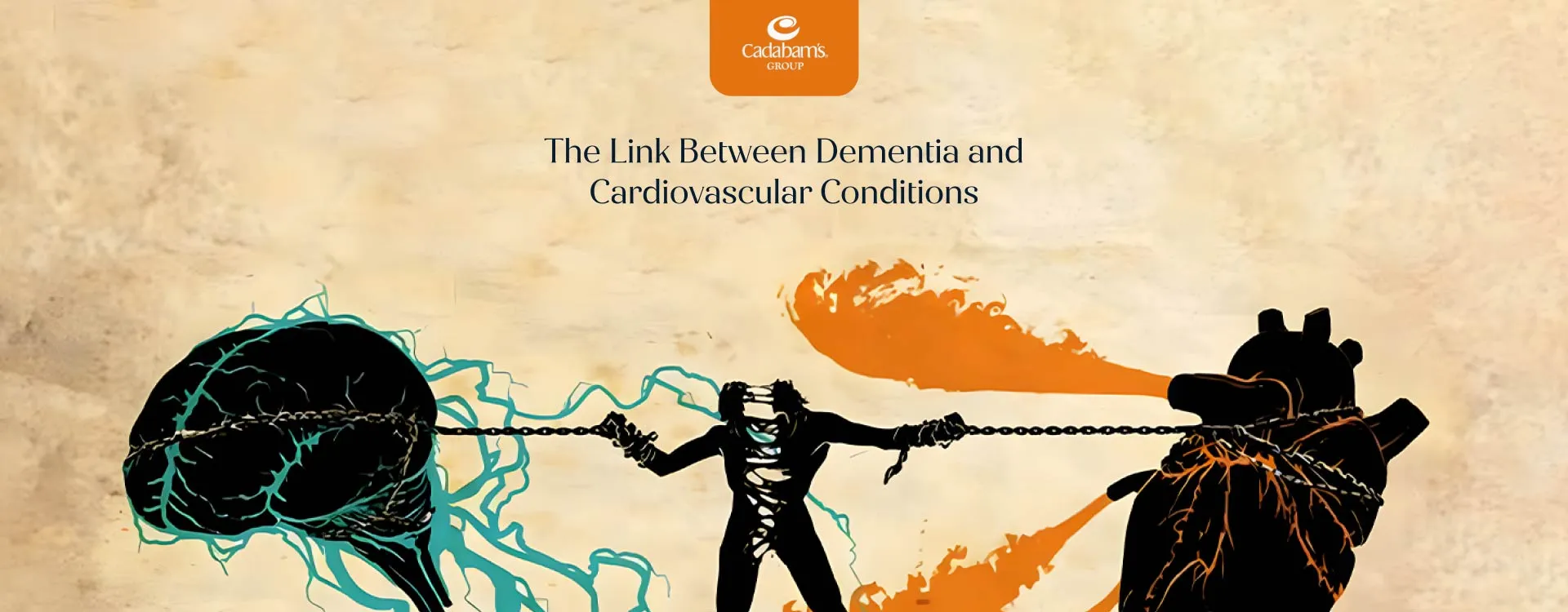
The relationship between dementia and cardiovascular health is a two-way street. Understanding how one affects the other will help you take the necessary precautions while ensuring you manage the condition you are battling.
How Heart Failure Influences Cognitive Decline
Heart failure is very dangerous and often fatal. However, it also has a significant impact on a person’s cognitive abilities, leading to an increased risk of dementia. People who have heart failure face cognitive impairment, memory issues, and much more. For individuals with Dementia, this can speed up the impact of the disorder, sometimes rendering them completely helpless.
Strategies for Managing Heart Health to Protect Cognitive Function
Heart health can be protected in multiple ways. Having a healthy lifestyle is a primary step you can take to improve your heart health. Being fit and eating healthy are major steps. Further, reducing stress levels and practicing calming techniques could also help regulate blood pressure and improve heart health.
Heart Disease and Its Impact on Dementia
Exploring the Connection Between Heart Disease and Various Forms of Dementia
There’s a major connection between heart disease and various forms of dementia. Research shows that cardiovascular issues can accelerate brain aging and increase the risk of the incidence of different types of dementia.
Our brain relies on the cardiovascular system to function optimally; any disruption in blood flow can lead to neurological damage and cognitive decline. Inflammation and high blood pressure, often seen in heart disease, are also considered significant risk factors for dementia.
Preventive Measures and Lifestyle Changes to Lower Dementia Risk
Taking measures such as refraining from smoking and moderating alcohol consumption is crucial for minimizing the risk of dementia. Regulating stress, getting proper sleep, and having good social connections can positively contribute to heart health and cognitive function. Regular health check-ups to monitor heart health and manage conditions like diabetes or hypertension are also key in preventing dementia.
Free · Confidential
Book screening with our triage team
Speak to a clinician in minutes. We’ll help you figure out the right next step.
Improve Mental Health for Overall Wellbeing with Cadabam’s
At Cadabam’s, we understand the importance of mental well-being and how it influences the rest of your life. Our specialized treatments for stress management are designed to enhance both your cardiovascular health and overall mental well-being.
Further, we also have advanced memory clinics that help identify any signs of cognitive decline or impairment at the early stages, allowing you to get the treatment you deserve.