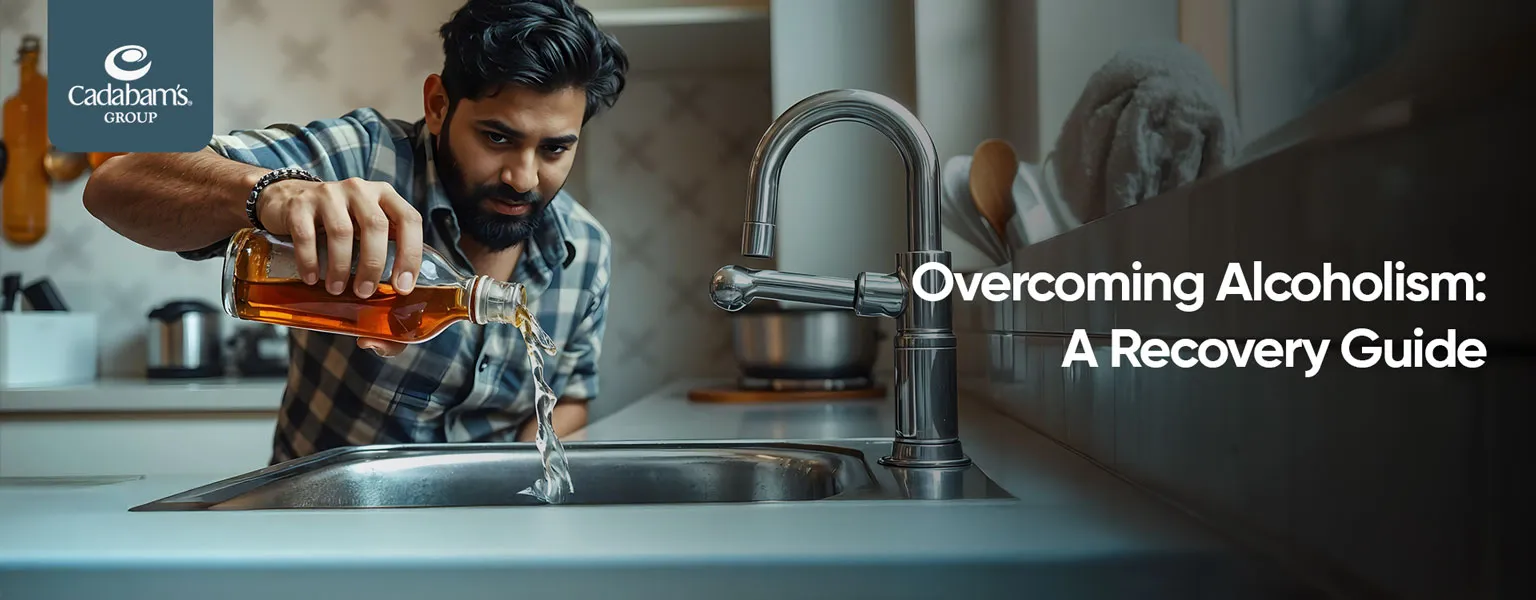
Alcohol rehab is not only for extreme cases. Many people benefit from treatment even in the early stages of alcohol use, before serious health or life consequences occur. Seeking help early can prevent dependency, improve mental and physical health, and make recovery more manageable. Modern rehab programmes are flexible, personalised, and designed to support individuals at different stages of alcohol use, not just those at rock bottom.
Why Do People Delay Going to Rehab?
Many people delay going to rehab not because help is unnecessary, but because emotional barriers, stigma, and false beliefs make treatment feel harder than it is. In most cases, the delay is driven by fear, uncertainty, or the hope that the problem will improve on its own.
Common reasons people delay rehab include:
- Believing their drinking is not serious enough yet
- Comparing themselves to people with more severe alcohol dependence
- Thinking they should be able to quit without professional help
- Feeling ashamed, embarrassed, or afraid of being judged
- Worrying about what family, friends, or colleagues may think
- Fearing the emotional discomfort of treatment or self-reflection
- Feeling uncertain about what rehab actually involves
- Worrying about cost, time away from work, or family responsibilities
- Hoping the problem will get better later without structured support
- Waiting for a crisis or a “right time” before taking action
Delaying treatment can allow alcohol dependence to become more deeply rooted and more damaging over time. Seeking help early can reduce harm, improve recovery outcomes, and make the path to treatment feel more manageable.
Myth 1: “Rehab Is Only for People With Severe Alcohol Problems”
Many people assume rehab is only meant for those who have lost control completely or whose drinking has reached an extreme stage. This belief often stops individuals from seeking help early, even when alcohol is already affecting their health, relationships, work, or emotional wellbeing.
Truth: Alcohol Rehab Can Help at Many Stages of Dependence
Rehab is not only for people at rock bottom. It can help individuals at different stages of alcohol dependence, including those noticing early harmful patterns. Early treatment can help people understand their drinking, manage triggers, and build healthier coping strategies before the problem becomes more severe.
What This Myth Costs People
This myth causes people to wait until things get worse before seeking help. Delaying treatment can increase the risk of health problems, emotional distress, relationship strain, and long-term dependence. Early support is often safer, more effective, and less disruptive.
Myth 2: “Addiction Isn’t a Real Disease”
Many people still view addiction as a choice or a sign of weak character. This harmful belief ignores the medical reality of alcohol addiction and can leave people feeling ashamed, isolated, and less likely to seek help.
Truth: Alcohol Use Disorder Is a Recognised Medical Condition
Alcohol Use Disorder is a recognised medical condition that affects brain function, behaviour, and self-control. Long-term alcohol use can alter brain systems linked to reward, stress, and decision-making, making it much harder to stop drinking through willpower alone. Recognising addiction as a health condition is an important step towards proper treatment.
What This Myth Costs People
This myth replaces treatment with blame. It increases shame, delays help-seeking, and makes a complex health condition seem like a personal failure. As a result, many individuals and families suffer longer than necessary before getting professional support.
Myth 3: “Detox Is All You Need”
Many people believe that once withdrawal symptoms are over, the problem is solved. This is one of the most common alcohol recovery myths, but detox is only the first step.
Truth: Detox Alone Does Not Treat Alcohol Addiction
Detox helps clear alcohol from the body and safely manage withdrawal, but it does not address the emotional, behavioural, and psychological factors behind addiction. Lasting recovery usually requires structured rehabilitation and continued support.
True recovery often includes:
- therapy and counselling to understand drinking patterns, emotional triggers, and co-occurring mental health concerns
- relapse prevention planning to manage cravings, stress, and high-risk situations more effectively
- aftercare support through follow-up counselling, peer support, or community resources to help maintain progress over time
What This Myth Costs People
Believing detox is enough can lead people to stop treatment too early. Without therapy, relapse-prevention skills, and ongoing support, the risk of returning to alcohol use often remains high.
Myth 4: “One-Size-Fits-All Rehab Works for Everyone”
This is one of the most outdated alcohol recovery myths. Alcohol dependence affects people differently, so treatment should not follow a single fixed model.
Truth: Effective Alcohol Rehab Should Be Personalised
The most effective treatment is shaped around the individual’s needs. Factors such as severity of alcohol use, physical and mental health, relapse history, family circumstances, and recovery goals all help determine the right approach. Treatment may include therapy, medication-supported care, family involvement, or different levels of support depending on the person’s situation.
At Cadabam’s, treatment plans are personalised and may include individual therapy, group counselling, family therapy, and medication-supported care where appropriate. This helps make rehabilitation more relevant, practical, and effective for each individual.
What This Myth Costs People
When people believe one standard rehab programme should work for everyone, they may choose care that does not match their needs or assume treatment has failed if one approach does not help. In reality, recovery often improves when care is tailored to the individual and their stage of recovery.
Myth 5: “You Must Hit Rock Bottom First”
Many people believe treatment is only needed after a major crisis, such as job loss, severe health problems, or broken relationships. This is one of the most dangerous alcohol recovery myths because waiting for things to get worse can increase harm and make recovery harder.
Key points to understand include:
- You do not need to hit rock bottom before seeking alcohol treatment
- alcohol use disorder can be mild, moderate, or severe, and support can help at any stage
- Early help can reduce the risk of physical, emotional, social, and work-related harm
- Waiting for a crisis can make drinking patterns more deeply rooted and harder to change
- Early support may help people regain control before facing serious health, legal, work, or relationship consequences
- Seeking help at the first signs of a problem is a practical and proactive step, not an overreaction
Myth 6: “Addiction Is Just Lack of Willpower”
Many people still believe alcohol addiction is simply a matter of not trying hard enough. This is one of the most damaging alcohol recovery myths because it reduces a complex medical condition to personal weakness and makes it harder for people to seek help. Alcohol Use Disorder is defined by an impaired ability to stop or control alcohol use despite harm, not by a lack of effort.
Key points to understand include:
- Alcohol Use Disorder is a recognised medical condition, not a character flaw.
- Alcohol addiction is associated with changes in brain systems involved in reward, stress, and self-control.
- These changes can make it much harder to stop drinking through willpower alone, even when a person wants to stop.
- Blaming addiction on weak willpower can increase shame and delay treatment.
- Professional treatment can help through behavioural therapies, medicines for AUD, mutual-support options, or a combination based on the person’s needs.
Myth 7: “Recovery Must Be Complete Abstinence”
Many people believe recovery only counts if a person stops drinking completely and permanently from the start. This is one of the more rigid alcohol recovery myths because recovery goals can vary depending on the person’s health, drinking pattern, risks, and treatment needs. For many people with alcohol dependence, abstinence is the safest and most appropriate goal, but treatment planning is not always identical for everyone.
Key points to understand include:
- Abstinence is often the recommended goal for people with alcohol dependence, especially when there are significant physical or mental health risks
- Some people may begin with goals focused on reducing heavy drinking and alcohol-related harm under professional guidance
- Recovery planning should be based on the person’s symptoms, severity, history, risks, and treatment response rather than a single fixed rule
- Harm-reduction approaches aim to reduce dangerous drinking patterns and related consequences, even when complete abstinence is not achieved immediately
- Flexible treatment goals can make support feel more accessible and may help some people engage in care earlier
- Believing recovery only counts as total abstinence can discourage people from seeking help if they feel unable to meet that standard straight away
Myth 8: “Once Treatment Ends, You’re Done”
This is one of the most misleading alcohol recovery myths because it suggests that completing rehab means the recovery process is fully over. In reality, many people need continued support after treatment to maintain progress and manage the challenges of everyday life.
Key points to understand include:
- Many people assume recovery ends when a rehab programme ends, but this is not always the case
- Long-term recovery often continues beyond formal treatment and may still require ongoing support
- Many people benefit from ongoing therapy, relapse-prevention planning, support groups, family involvement, and regular follow-up care
- Aftercare can help people manage triggers, stress, cravings, and the risk of relapse more effectively
- Believing this myth can make people stop supporting too early and expect recovery to remain stable without continued effort
- It can increase the risk of relapse and make normal setbacks feel like failure instead of signs that more support or adjustment may be needed
Myth 9: “Rehab Requires You to Stop All Life Responsibilities”
Many people assume they cannot go to rehab unless they put work, family, and everyday life on hold. This belief often prevents people from seeking help, even when treatment may be available in a format that fits their needs and responsibilities.
Key points to understand include:
- Rehab is not limited to residential or inpatient programmes
- Many people can receive treatment through outpatient programmes that offer greater flexibility
- Outpatient care may allow individuals to continue working, studying, or managing family responsibilities while receiving support
- Treatment plans are often shaped around the severity of alcohol use, personal circumstances, and recovery needs
- Flexible care options can make alcohol treatment more practical and more accessible
- Believing this myth can cause people to delay support that could help them much earlier
Free · Confidential
Book screening with our triage team
Speak to a clinician in minutes. We’ll help you figure out the right next step.
When Should Someone Seek Help for Alcohol Use?
Seek help when drinking starts affecting health, relationships, work, or emotional wellbeing. You do not need to wait for a crisis. Early support can reduce harm, improve recovery outcomes, and help regain control before alcohol use becomes more severe.
Signs It May Be Time To Seek Help
Alcohol-related problems often begin with subtle, repeated patterns that gradually affect daily life, emotional wellbeing, and relationships. Common signs include:
- Drinking more often or in larger amounts than intended
- Finding it hard to cut down or stop
- Using alcohol to cope with stress, anxiety, or low mood
- Experiencing cravings, blackouts, or withdrawal symptoms
- Seeing alcohol affect sleep, energy, focus, or routine
- Facing conflict at home, work, or in relationships because of drinking
- Trying to quit before but returning to alcohol again
What Does Alcohol Rehab Actually Help With?
Alcohol rehab helps with much more than stopping drinking. It provides structured support to address the physical, emotional, and behavioural impact of alcohol dependence, while helping individuals build the skills needed for long-term recovery.
Alcohol rehab can help with:
- Safely managing withdrawal and stabilising the early stages of recovery.
- Understanding patterns of alcohol use and what triggers them.
- Addressing cravings, urges, and relapse risks
- Treating underlying emotional struggles such as stress, trauma, anxiety, or depression
- Building healthier coping strategies to replace alcohol use
- Improving emotional regulation and decision-making
- Restoring structure, routine, and daily functioning
- Rebuilding trust in relationships affected by drinking
- Reducing the risk of relapse through ongoing therapeutic support
- Creating a personalised recovery plan based on the individual’s needs, history, and goals.
Rehab is not only about removing alcohol. It is about helping people understand why alcohol use became difficult to manage, what needs to change, and how recovery can be sustained with the right professional support.
Get the Right Help for Alcohol Recovery at Cadabam’s
Believing common myths about alcohol recovery can delay treatment and stop people from seeking help when they need it most. Recovery is not a sign of weakness. It is a step towards better health, emotional stability, and a safer future.
With the right support, alcohol dependence can be treated. Early intervention, structured care, and evidence-based rehabilitation can help individuals regain control, rebuild daily functioning, and move towards long-term recovery.
If you are searching for a solution to your problem, Cadabam’s Rehabilitation Centre can help you with its team of specialized experts. We have been helping thousands of people live healthier and happier lives for 33+ years. We leverage evidence-based approaches and holistic treatment methods to help individuals effectively manage their alcohol dependence. Get in touch with us today. You can call us at +91 96111 94949.