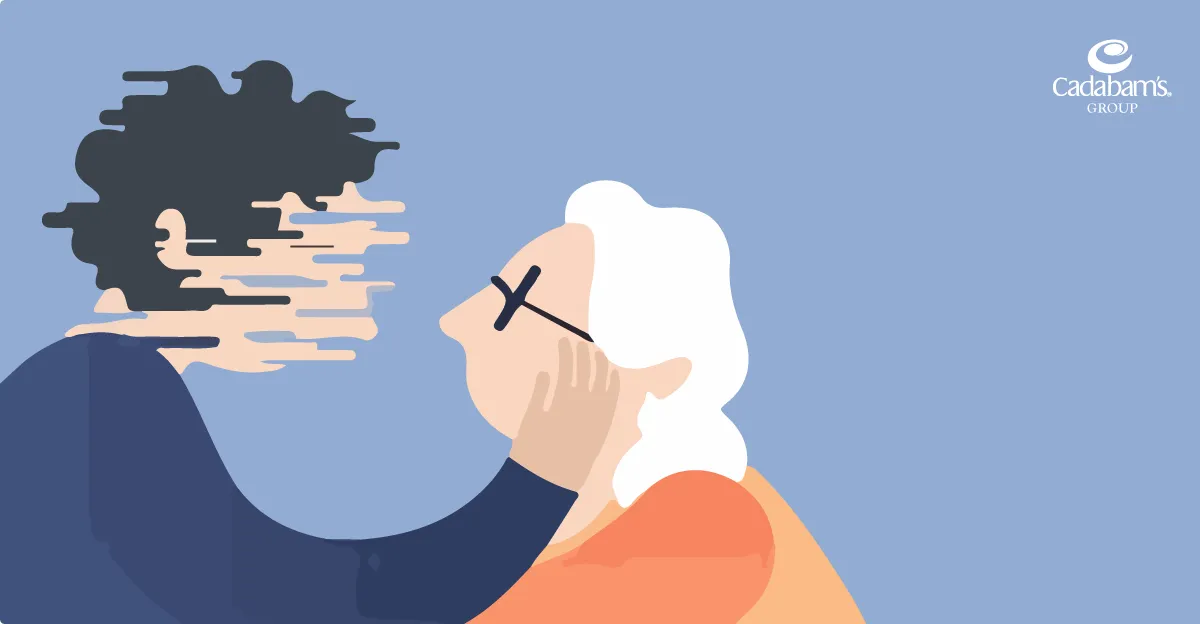
Dementia Rehabilitation

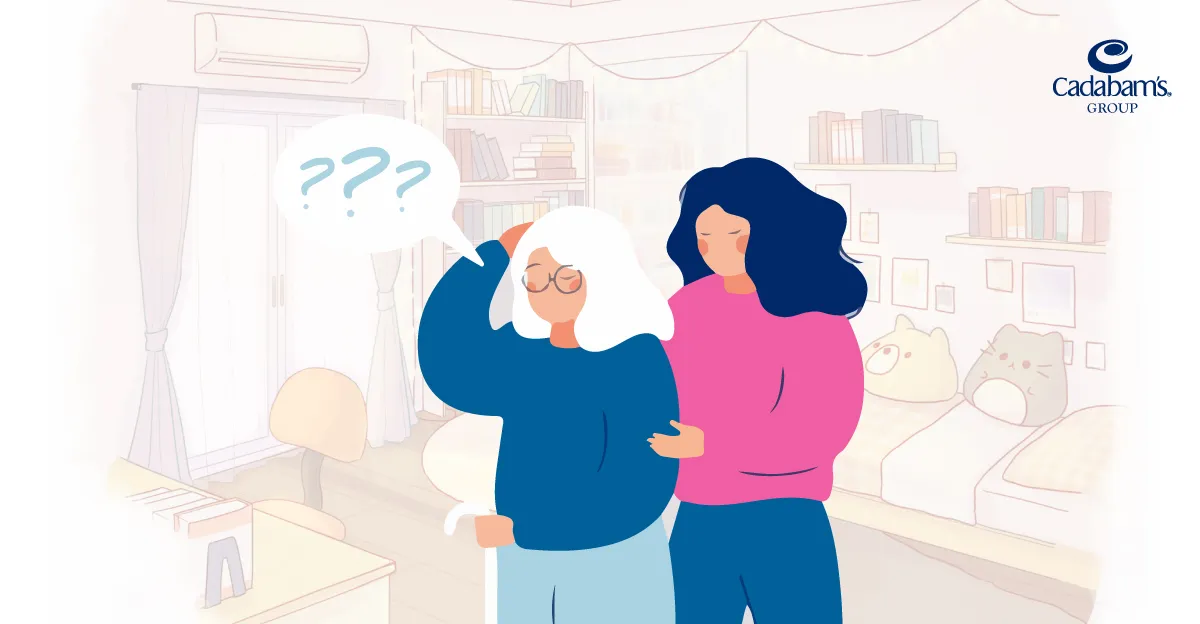
Over 55 million people across the world suffer from dementia. This number is projected to double every 20 years, with over 140 million people projected to develop the disorder by 2050. Dementia is a serious progressive and chronic disorder. Classified by stages as mild, moderate, and severe based on the impairment caused by symptoms, Dementia has no permanent cure. However, a structured rehabilitation program for dementia near me can help individuals manage symptoms and improve their quality of life.

In many cases, families prefer to care for their loved ones with dementia at home. However, in some cases, individuals with dementia will need specialised care and medical attention that they cannot receive at home. In such cases, rehabilitation for dementia becomes the most effective treatment option for the disorder, helping individuals retain independence and improve cognitive function.

Can Dementia be treated?

Dementia is a disorder that affects mostly the elderly amongst us. It is chronic in nature and there is no cure that can stop the disorder. The goal of treatment is to slow the progress of the disorder and to improve the person’s quality of life. Dementia treatment options include medication, cognitive stimulation therapy, hospitalisation, and rehabilitation for dementia in severe cases.

Dementia Rehabilitation

Our Professionals

Psychiatrist

Dr. Vishal Kasal

Designation:
Consultant Psychiatrist
Experience:
15
Years
Illnesses:
Drug Addiction, Alcohol Dependence, Dementia, Depression, Bipolar Disorder, OCD, Personality Disorder, Schizophrenia, Autism Spectrum Disorder
Book Appointment
Psychiatrist

Dr. R. Priya Raghavan

Designation:
Consultant Psychiatrist
Experience:
21
Years
Illnesses:
SLD, Autism Spectrum Disorder, Dementia, Schizophrenia, Bipolar Disorder, OCD, Drug Addiction
Book Appointment
Psychiatrist

Dr. Arun Kumar

Designation:
Consultant Psychiatrist
Experience:
12
Years
Illnesses:
Schizophrenia, Alcohol Dependence, Bipolar Disorder, Depression, Drug Addiction, OCD, Personality Disorder, Autism Spectrum Disorder, Dementia, SLD
Book Appointment
Psychiatrist

Dr. B. R. Madhukar

Designation:
Medical Director
Experience:
25
Years
Illnesses:
Alcohol Dependence, Bipolar Disorder, Dementia, Schizophrenia, Drug Addiction, Personality Disorder, OCD
Book Appointment
Psychiatrist

Dr. Thejus Kumar B R

Designation:
Consultant Psychiatrist
Experience:
6
Years
Illnesses:
Schizophrenia, Personality Disorder, OCD, Dementia, Autism, Drug Addiction
Book Appointment
Psychiatrist

Dr. Keerthi Sagar

Designation:
Consultant Psychiatrist
Experience:
7
Years
Illnesses:
Depression, Schizophernia, Alcohol Dependence, Bipolar Disorder Drug Addiction, OCD, Personality Disorder
Book Appointment

Why Choose Cadabam's for Dementia?

Cadabam’s Group offers the best dementia care facilities in the country. Our expert professionals, support staff, and cutting-edge infrastructure ensure that the individual is safe and comfortable as they fight the various symptoms of Dementia. Our biopsychosocial model places an emphasis on holistic recovery, ensuring sustainable progress through a structured rehabilitation program for dementia near me.

Illness Feature Icon

Decades of Expertise

33+ years of focused mental healthcare, shaped by 1000+ real patient journeys.

Illness Feature Icon

Dedicated Care Centres

State of the art mental health centres built for treatment and recovery.

Illness Feature Icon

Multidisciplinary Care Team

A coordinated team of psychiatrists, psychologists, counsellors, and rehabilitation specialists supporting your care.

Illness Feature Icon

Experience Across Stages

Support from early signs through treatment and recovery.

Illness Feature Icon

Structured Care Model

Treatment guided by clear plans that continue beyond diagnosis.

Illness Feature Icon

Continuity of Care

Planned follow ups and continued guidance to help maintain progress over time.

Dementia is a complex neurological disorder that impairs cognitive function, memory, and behaviour. It comes in various forms, such as Alzheimer's, Vascular Dementia, and Lewy Body Dementia. Symptoms include memory loss, confusion, mood changes, and difficulty with daily tasks. Although no cure exists, treatment options and rehab for dementia are available to alleviate symptoms and enhance quality of life.

What is Dementia?

Dementia encompasses a range of progressive neurological conditions that impair brain function, resulting in diminished cognitive capabilities. Key manifestations include memory loss, compromised reasoning skills, and alterations in behaviour and personality. While primarily impacting older individuals, dementia is not an inevitable aspect of ageing. It arises from several diseases, with Alzheimer's disease being the predominant cause. Prompt recognition and intervention can significantly enhance the life quality of those impacted.

What is a Dementia Rehabilitation Centre?

A rehab for dementia is a specialised institution providing comprehensive care and support tailored to individuals living with dementia. It provides a structured environment where various therapies, including cognitive, physical, and occupational, are implemented to enhance functional abilities, promote independence, and improve the overall quality of life for those living with dementia.

Why Do Dementia Patients Need Rehabilitation?

Dementia patients may require rehabilitation to maintain their functional abilities, slow down cognitive decline, and enhance their overall quality of life. Rehabilitation for dementia offers tailored therapies and interventions that focus on optimising cognition, motor skills, communication, and daily living activities, promoting independence and well-being.

Following are some of the signs that indicate the need for dementia rehabilitation:

Memory Loss Interfering with Daily Life

If memory loss becomes more frequent and starts affecting daily activities, it may be time for dementia rehabilitation. Forgetting important events, repeating questions, or getting lost in familiar places are common indicators that indicate the necessity for a rehabilitation program for dementia near me.

Difficulty with Daily Activities

When individuals struggle to perform basic tasks such as dressing, eating, or managing personal hygiene, it’s a clear sign that they may benefit from professional rehabilitation services. Rehabilitation can help patients relearn or adapt to these activities.

Behavioural and Mood Changes

Significant changes in behaviour, such as increased aggression, confusion, depression, or anxiety, may signal that dementia is progressing. Rehabilitation programs can include therapies that address these emotional and behavioural challenges.

Decline in Physical Coordination

Dementia can also affect physical coordination, leading to difficulty walking, maintaining balance, or an increased risk of falls. Physical rehabilitation can help maintain mobility and strength, reducing the likelihood of injuries.

Challenges with Communication

When communication becomes more difficult—whether it's finding the right words, following conversations, or understanding instructions—it may be time to seek help through cognitive or speech therapy as part of rehabilitation.

Caregiver Stress

Finally, if caregivers are feeling overwhelmed or burnt out, it could be time to consider rehabilitation to provide professional support and respite care.

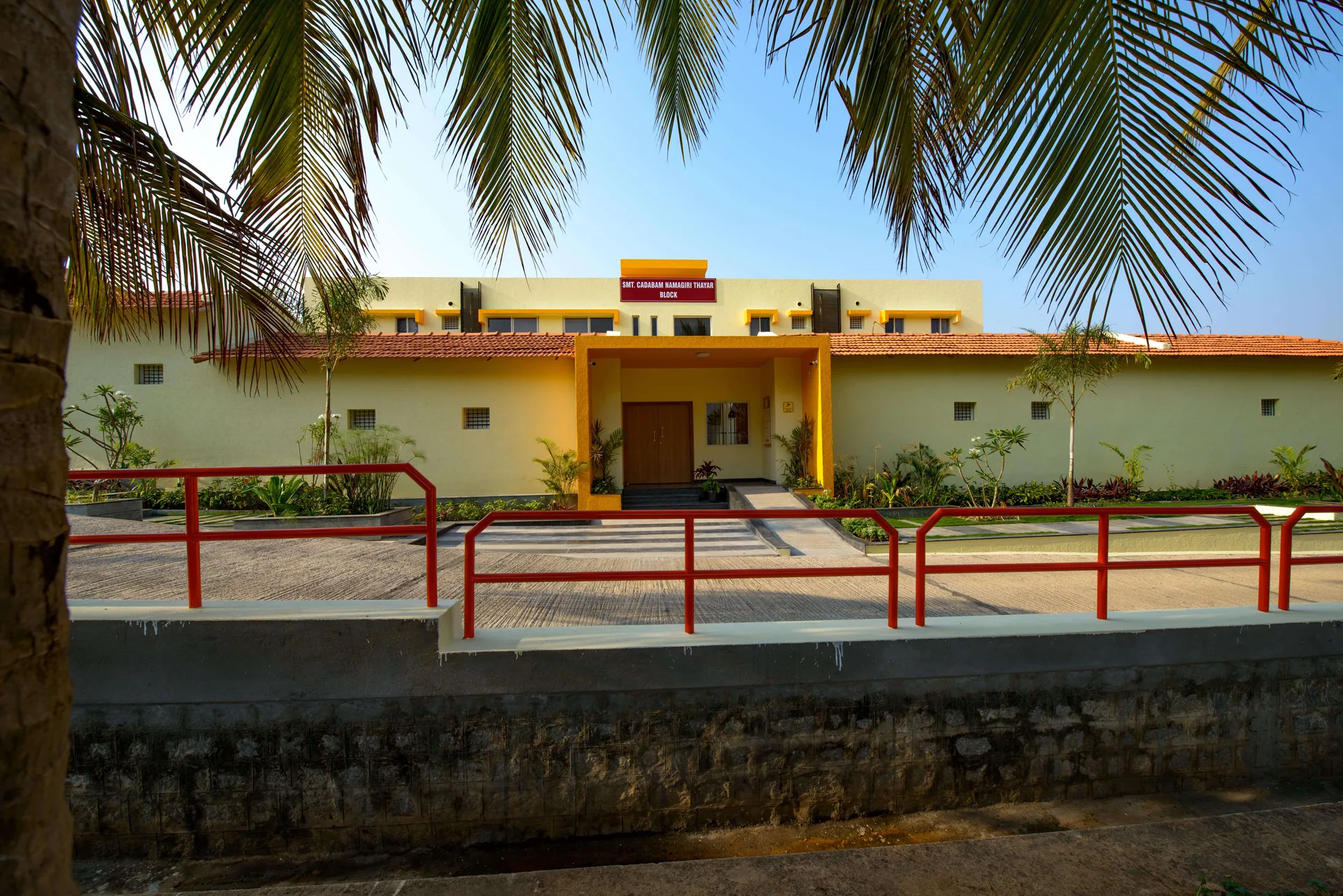
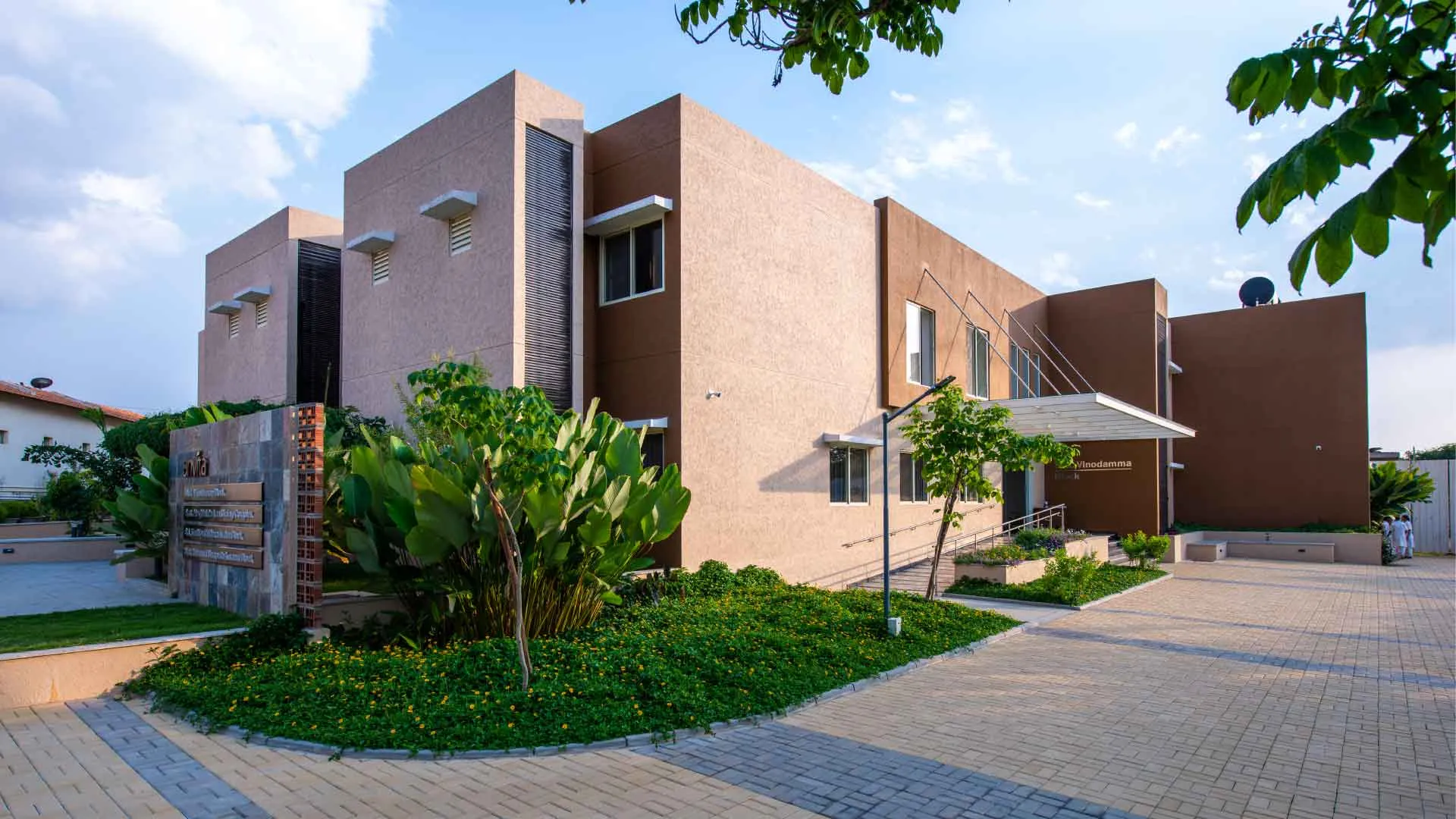
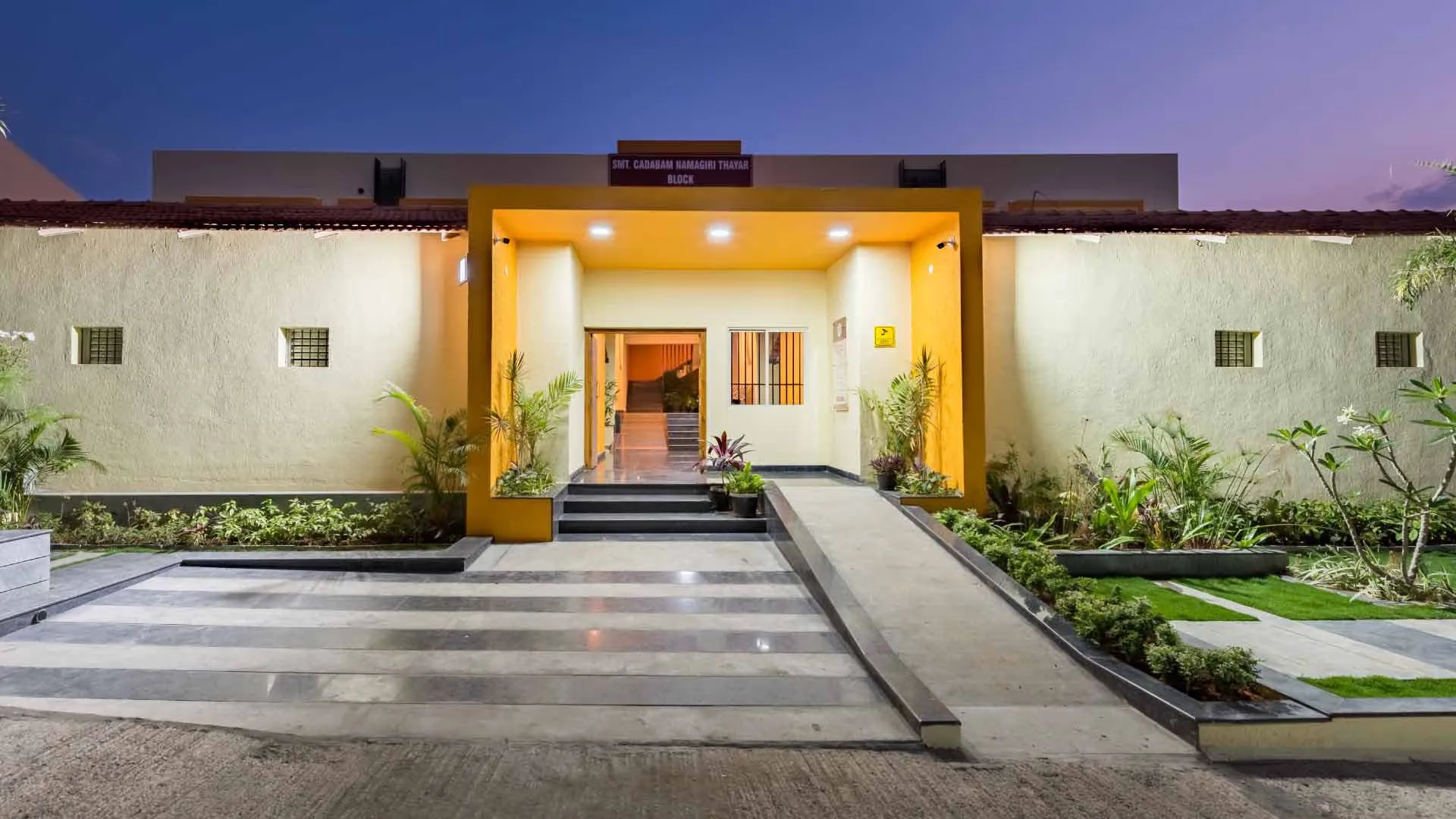
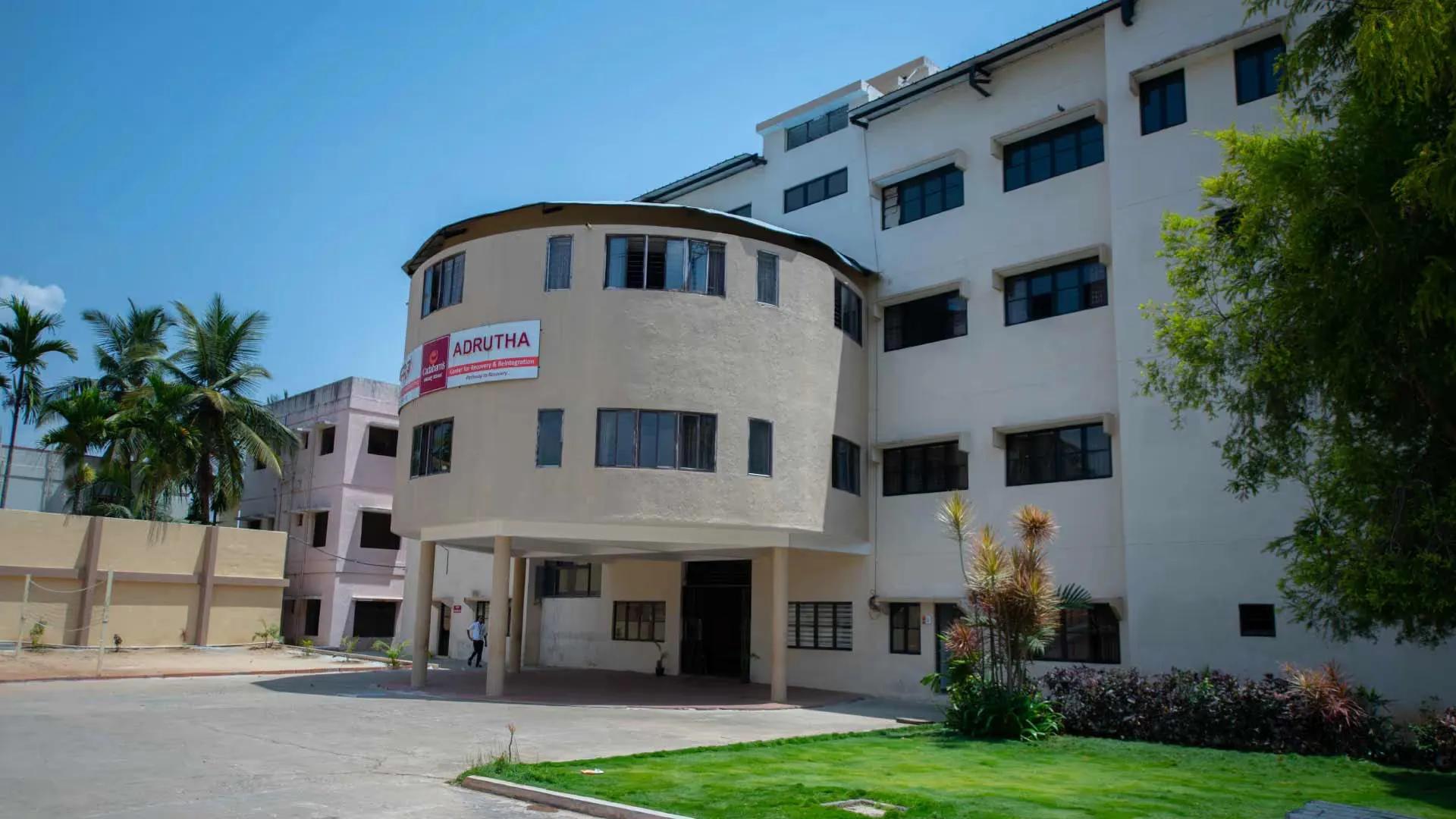
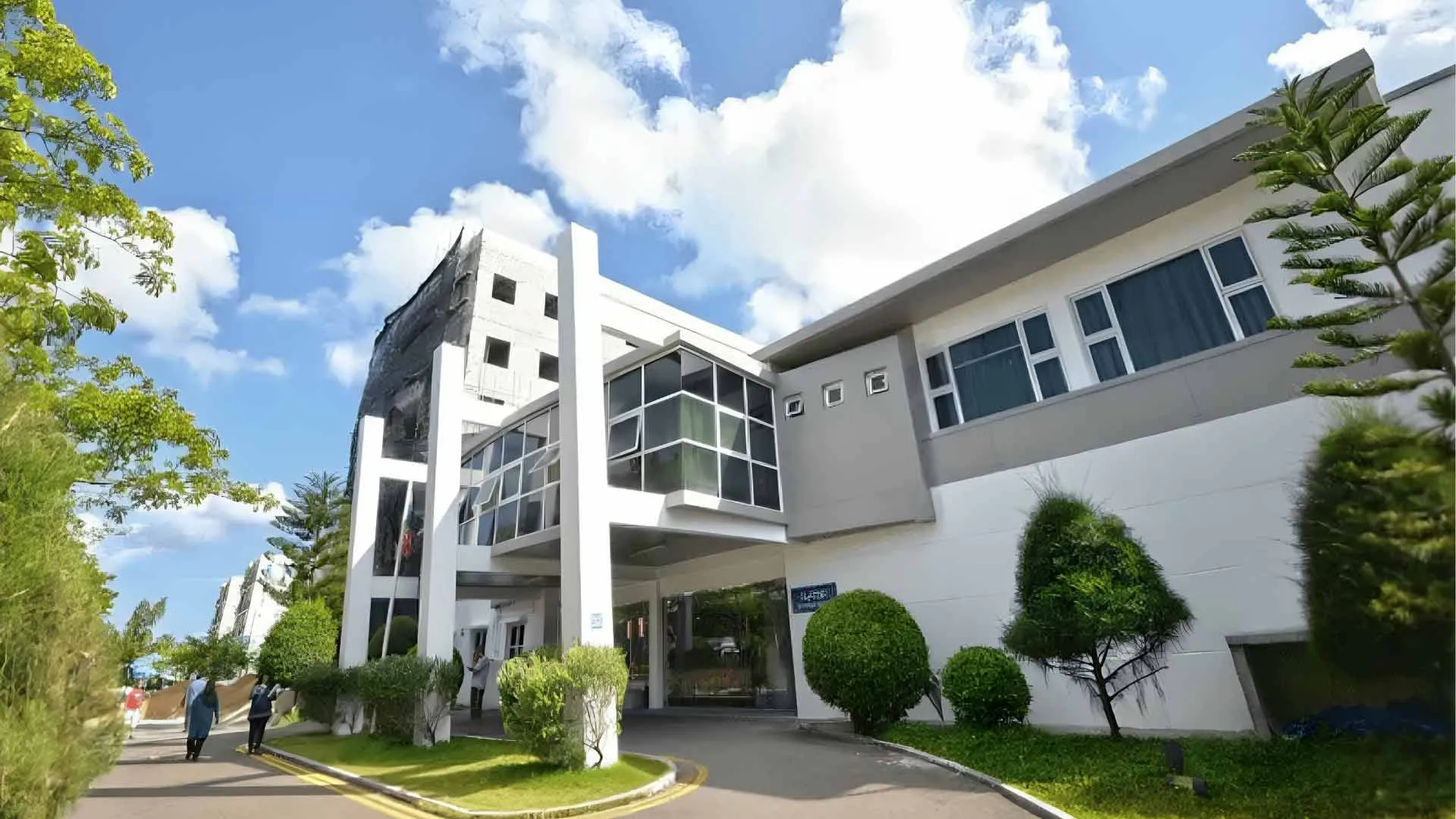
Our Dementia Rehabilitation Center Near You

The Necessity of Dementia Rehabilitation Centres

Mental health, especially dementia rehabilitation centres, are vital, offering a supportive setting for individuals to recover and reclaim autonomy over their lives. These centres provide comprehensive and structured rehabilitation for dementia programs, including therapy, counselling, and skill-building activities, empowering individuals to manage their conditions and thrive in their journey to mental well-being.

Key Benefits of Dementia Rehabilitation and Dementia Treatment

Dementia rehabilitation and dementia treatment offer numerous advantages that significantly improve the lives of those affected. Here are some of the main benefits:

  • Slows Cognitive Decline: Targeted therapies and rehabilitation for dementia help slow memory loss and other cognitive issues, helping individuals retain mental function longer.
  • Enhances Daily Skills: A structured rehabilitation program for dementia near me strengthens essential daily skills through physical, occupational, and cognitive therapies, promoting independence.
  • Boosts Quality of Life: A structured environment encourages social interaction, mental stimulation, and physical activity, all of which elevate mood and reduce isolation.
  • Provides Emotional Support: Counselling and therapy offer vital emotional support for both patients and their families, easing stress and building resilience.
  • Customised Care Plans: Each patient receives a personalised dementia treatment plan tailored to their symptoms and needs, ensuring the best possible care.
  • Promotes Physical Health: Physical activities and exercises enhance strength, balance, and overall health, reducing risks of injury.
  • Supports Families: Education for family members on dementia care techniques helps create a supportive home environment and improves caregiving.

These benefits make dementia rehabilitation and dementia treatment essential for maintaining independence and enhancing the quality of life for those living with dementia.

Is Rehabilitation the Same as Therapy for Dementia Patients?

The words "therapy" and "rehabilitation" are often used interchangeably, but they serve different purposes when supporting individuals with dementia.

Therapy focuses on improving or restoring specific skills. For example:

  • Physical therapy enhances mobility, balance, and fitness.
  • Cognitive therapy works on strengthening memory, concentration, and problem-solving skills.

On the other hand, rehabilitation is a broader process that encompasses multiple interventions to help dementia patients maintain independence for as long as possible. Rehab includes various forms of therapy, prescribed medications, and additional support services that aid individuals in their daily lives. This comprehensive approach targets physical, cognitive, and emotional well-being.

Additionally, many older adults have underlying health conditions—such as diabetes, high blood pressure, heart disease, anaemia, or osteoporosis—that can mimic or worsen dementia symptoms. Proper diagnosis and management of these conditions are crucial in ensuring the best quality of life for dementia patients. Addressing these issues is a vital aspect of rehabilitation, as it helps reduce complications and supports overall cognitive function.

Key Components of Dementia Rehab Care at a Specialised Dementia Rehabilitation Centre

Specialised dementia rehabilitation centres provide comprehensive care to help individuals maintain cognitive function, physical abilities, and emotional well-being.

  • Person-Centered Care – Treatment plans are customised to each individual's history, abilities, and preferences, ensuring a supportive and engaging environment.
  • Comprehensive Assessment and Care Planning – A thorough evaluation helps develop tailored strategies to manage symptoms and improve daily living.
  • Multidisciplinary ApproachExperts, including neurologists, psychiatrists, physical therapists, and occupational therapists, collaborate to provide holistic care.
  • Therapeutic Interventions – Cognitive stimulation, physical exercises, and memory-enhancing activities help slow cognitive decline and support functional independence.
  • Supportive Environment – Structured routines, familiar surroundings, and safety measures help reduce confusion and anxiety while promoting independence.

These key components work together to enhance quality of life, preserve autonomy, and provide the best possible care for individuals with dementia.

What Happens When You Check Into a Dementia Rehabilitation Centre?

Reaching out to a professional at Cadabam’s is the first step to recovery. This marks the beginning of the admission process, which entails consulting with a psychiatrist and attending sessions with a psychologist, family therapist, and counsellors. During this stage, a thorough evaluation and diagnosis take place, allowing the multidisciplinary team of experts to assess the necessity for a dementia rehab centre and devise an individualised dementia treatment plan that fosters long-lasting recovery.

Following this, psychoeducation and psychotherapy commence, establishing the foundation for the recovery journey by addressing dementia symptoms and creating a supportive path to improved well-being.

Emergency service

Find nearest mental health center now

Illness CTA Shape

Facilities & Amenities

About Cadabam’s Rehabilitation for Dementia Program

Cadabam’s offers multiple recovery-first rehabilitation programs at our world-class dementia treatment centre. The programs are focused on creating a holistic recovery experience leveraging our multidisciplinary professional team and cutting-edge infrastructure. The programs we offer for individuals with dementia treatment include:

  • Post-Diagnostic Support: Provides guidance, emotional support, and early intervention strategies to help individuals and families navigate dementia following diagnosis.
  • Short-term Respite Care: Offers temporary, specialised care, allowing caregivers a break while ensuring individuals receive professional medical and therapeutic support.
  • Long-term Care: Comprehensive, 24/7 assistance focused on enhancing quality of life, managing symptoms, and maintaining independence for as long as possible.
  • Palliative Care: Compassionate, symptom-focussed care aimed at improving comfort, dignity, and emotional well-being during advanced stages of dementia.
  • Post-rehabilitation Care: Continued therapeutic support to sustain cognitive function, prevent decline, and ensure long-term stability post-rehabilitation.

Our Vision and Mission

Cadabam’s is committed to providing quality healthcare access to all, with a focus on bringing world-class infrastructure and advanced dementia treatment options to those in need at their dementia rehab centre. The experts also aim to enhance mental health awareness and improve accessibility for everyone.

Effective Methods of Rehabilitation for Dementia at Cadabam's

Rehabilitation for Dementia takes a comprehensive and personalised approach to help individuals maintain independence, improve cognitive function, and enhance their overall well-being. Various rehabilitation methods address the physical, cognitive, psychological, and environmental aspects of care, ensuring a holistic recovery experience.

Physical Rehabilitation

Physical rehabilitation focuses on maintaining mobility, strength, and balance to support daily activities and reduce fall risks. It includes aerobic exercises, resistance training, flexibility routines, and balance-enhancing activities tailored to the patient’s needs. Beyond physical benefits, regular movement and exercise have been shown to improve mood, reduce agitation, and enhance cognitive function by increasing blood flow to the brain. Physical therapy may also include assistive devices and gait training for patients with mobility issues. If you are looking for a rehabilitation program for dementia near me, finding one that includes comprehensive physical therapy can significantly improve daily functioning.

Cognitive Rehabilitation

Cognitive rehabilitation is designed to enhance memory, problem-solving abilities, and attention span through targeted therapies. Techniques such as cognitive stimulation therapy (CST), reminiscence therapy, and structured mental exercises help slow cognitive decline and improve daily functioning. Individualised programs may involve puzzle-solving, memory games, storytelling, or task-based learning, all tailored to the patient’s capabilities and interests. Speech and language therapy is also integrated to support communication and prevent language deterioration.

Psychological Rehabilitation

Dementia often brings neuropsychiatric symptoms such as depression, anxiety, and behavioural changes, which can impact the quality of life. Psychological rehabilitation incorporates non-pharmacological approaches like music therapy, art therapy, aromatherapy, pet therapy, and sensory stimulation to create a calming and engaging environment. Behavioural therapy helps caregivers and patients manage agitation, aggression, and mood swings. Medication is only used when necessary and under strict medical supervision, ensuring minimal side effects.

Lifestyle and Social Engagement

Engaging in mentally stimulating activities, hobbies, and social interactions is key to slowing cognitive decline. Regular social participation in group activities, community events, and support programs fosters emotional resilience and cognitive engagement. Patients are encouraged to take part in reading, gardening, music sessions, creative arts, or mild recreational sports that align with their abilities. Proper nutrition and sleep management also play a crucial role in stabilising mood and cognitive health.

Environmental and Safety Modifications

A dementia-friendly environment enhances independence, safety, and ease of navigation. Occupational therapists work with families to implement safety modifications like grab bars, proper lighting, non-slip flooring, and smart home technology to reduce fall risks and create structured routines. Memory aids such as reminder clocks, labelled storage, and voice-assisted reminders further assist individuals in their daily tasks.

By integrating physical activity, cognitive training, emotional support, and environmental adaptations, dementia rehabilitation helps slow disease progression, improve daily functioning, and maintain quality of life. A personalised care plan that combines these approaches ensures that individuals receive continuous support tailored to their evolving needs. If you are searching for a rehabilitation program for dementia near me, choosing one with a holistic approach can provide the best long-term benefits.

Subscribe to our newsletter

Find out about centres, daily updates and more about mental health

Thank you! Your submission has been received!
Oops! Something went wrong while submitting the form.
Illness CTA Shape

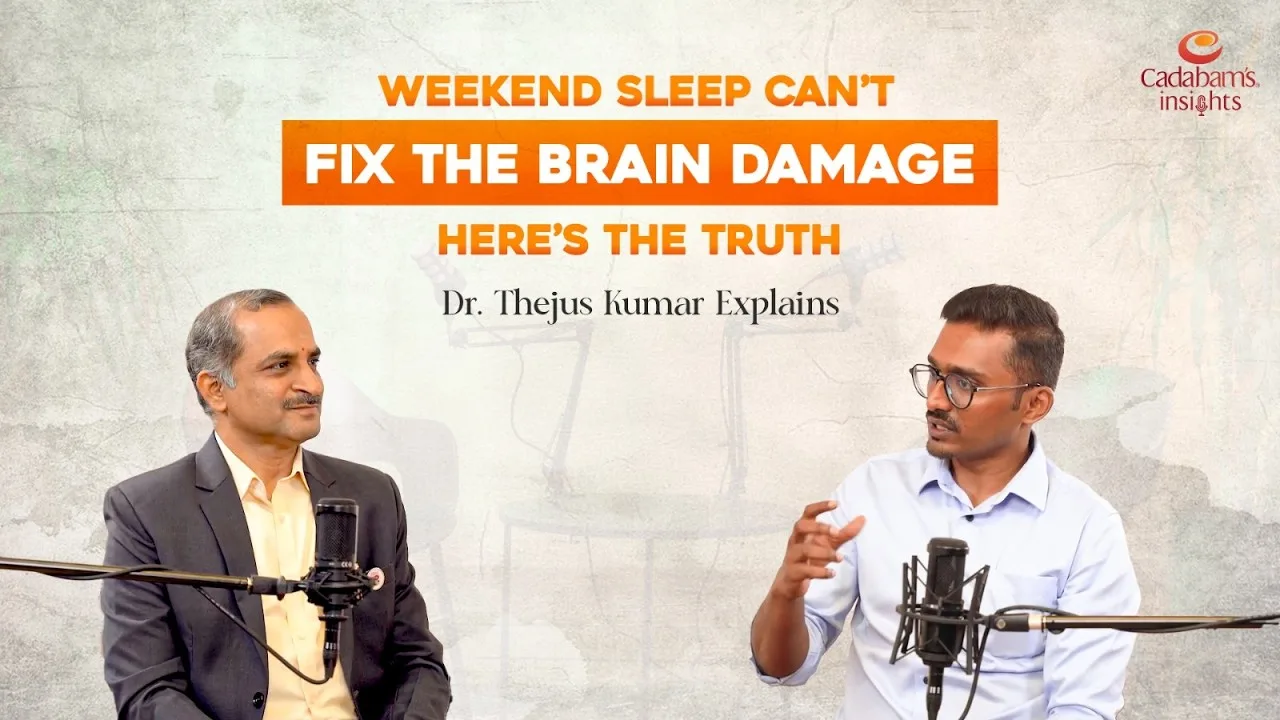
Listen to Our Expert Insights on Dementia

No items found.

Frequently Asked Questions

What is the need for a dementia rehabilitation centre?

Rehabilitation for dementia plays a vital role in delivering specialised care and support to individuals facing dementia. They prioritise maintaining cognitive abilities, enhancing functional skills, and elevating overall quality of life. Through customised programs, therapies, and interventions, these centres address the distinctive needs and challenges of dementia, fostering independence and well-being for those affected by the condition.

How to find the best rehabilitation program for dementia near me?

To find the best rehabilitation centre/program for treating dementia, it is essential to consider factors such as the centre's expertise in dementia care, availability of specialised programs, qualified staff, and positive patient reviews. 

Conduct thorough research, seek recommendations from healthcare professionals, and visit potential centres to ensure the rehabilitation program for dementia near me aligns with the specific needs and preferences of the individual with dementia.

What is the most challenging part of the dementia rehabilitation process?

Day-to-day activities in a dementia rehabilitation centre may include cognitive exercises, physical therapy, occupational therapy, social engagement activities, memory enhancement programs, and support group sessions. These activities are designed to promote cognitive function, physical well-being, social interaction, and overall quality of life for individuals with dementia.

What is the most challenging part of the dementia rehabilitation process?

The most challenging aspect of the dementia rehabilitation process is managing the progressive nature of the disease. As dementia advances, individuals may experience cognitive decline, functional limitations, and emotional changes, requiring constant adaptation of therapy approaches and ongoing support to address their evolving needs and maintain their overall well-being

What is the success rate of Dementia rehabilitation?

The effectiveness of rehabilitation for dementia fluctuates due to factors like the stage of dementia, response to therapy, and rehabilitation objectives. However, dementia lacks a cure; rehabilitation endeavours to enhance life quality and functional skills and slow cognitive decline. The success of dementia rehabilitation varies depending on individual factors and the efficacy of chosen rehabilitation strategies.

What should I look for when choosing rehabilitation program for dementia near me?

When choosing a dementia rehabilitation program, look for specialised care, a multidisciplinary team, personalised treatment plans, physical and cognitive therapies, safety measures, family involvement, and positive patient outcomes. Ensure the facility offers structured routines, emotional support, and a dementia-friendly environment for holistic care.

Our Testmonials

Mahantesh G

My father was fighting dementia, and it was difficult to manage it at home. We searched for support for him, and we found Cadabams. They helped us immensely, they cared for him, and he seems so happy there. Thank you Cadabams.

Veeresh A S

My father started facing severe memory problems. We understood that he was suffering from dementia after a few consultations with a psychiatrist. Rehabilitation at Cadabams has helped him so much. He is able to take care of himself and he is able to enjoy life. Thank you Cadabams.

Farah Sharma

I would like to thank Cadabam's for their care and treatment procedures. My mother was suffering from Dementia, and I was so scared to leave her at a rehabilitation centre. But, I see her so happy now, and she is still so functional. Thank you, thats all I want to say.

Arvind Subramanian

My wife of 35 years started forgetting everyday things, and that was when we realized something was amiss. We received a diagnosis of dementia. It felt like the world was falling apart for me. But, the Cadabams team have done such a good job of caring for her that I feel so much more peaceful now. I can see her happy, and I know that she is cared for.

Watch Our Visual Stories

What is Borderline Personality Disorder?
What is the treatment of Alcohol Dependence?
How to Deal with a Break Up? | Mental Health and Relationships
What is Dementia?
How to Overcome OCD?
Is depression a disease?
Whatsapp IconCall Iocn
close