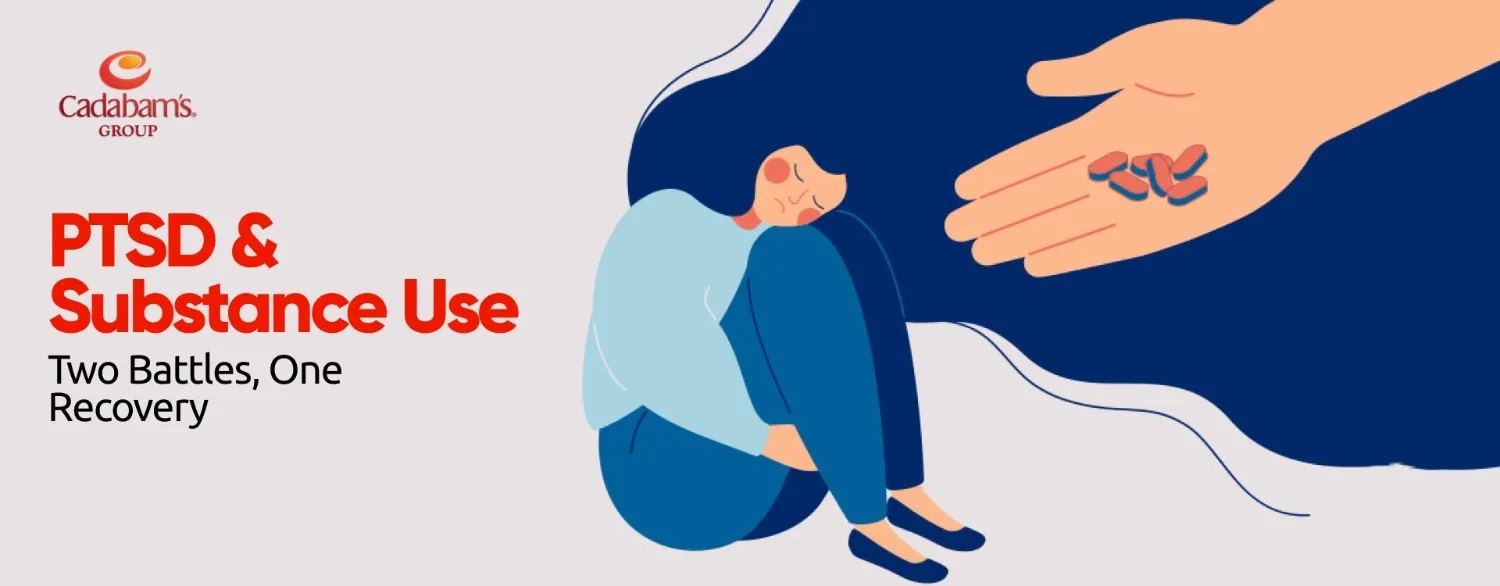
Recovering from PTSD is not always a one-time process, and for some individuals, symptoms can resurface or intensify after initial treatment. A Second Rehab Admission for PTSD may be necessary when symptoms return, worsen, or begin interfering with daily functioning despite ongoing coping efforts. Recognizing these signs early helps individuals and families make informed decisions that support long-term recovery rather than viewing readmission as a setback.
How Can You Recognize a PTSD Relapse That May Require Further Treatment?
Recognizing a PTSD relapse early is essential because not every difficult day signals the need for intensive care. However, persistent or worsening symptoms may indicate that existing coping strategies are no longer sufficient and that a Second Rehab Admission for PTSD should be considered to prevent further deterioration.
What Is a PTSD Relapse and How Is It Different From Normal Recovery Fluctuations?
It is essential to distinguish between the natural ups and downs of recovery and a genuine relapse that requires intervention.
How Is a PTSD Relapse Different From a Temporary Bad Day?
A bad day might involve feeling more anxious or irritable, but these feelings are often temporary and manageable with existing coping skills. A relapse, however, involves a persistent return of severe symptoms that significantly disrupt your daily life, making your usual coping mechanisms feel ineffective or insufficient.
What Emotional and Physical Symptoms Indicate a PTSD Relapse?
PTSD relapse symptoms often appear across emotional and physical domains and are typically more intense and sustained than earlier recovery challenges. Common PTSD relapse indicators include:
- Emotional symptoms: intense fear, anger, guilt, emotional numbness, mood swings, or feelings of detachment
- Physical symptoms: chronic fatigue, heightened startle response, sleep disturbances, headaches, or unexplained body pain
When these symptoms persist and worsen over time, they may signal the need for a higher level of care.
What Are the Key PTSD Relapse Indicators That Should Not Be Ignored?
Certain behavioural and psychological changes serve as clear PTSD relapse indicators, suggesting that current coping strategies or outpatient support may no longer be sufficient. Recognizing these warning signs early allows for timely intervention and may prevent further functional decline.
How Does Increased Avoidance Signal a PTSD Relapse?
You might find yourself going to great lengths to avoid people, places, or conversations that remind you of the trauma. This avoidance can become so pronounced that it starts to isolate you from your support system and limit your ability to engage in everyday activities or responsibilities.
Why Do Intensifying Flashbacks or Nightmares Indicate a Relapse?
While occasional intrusive memories can be part of living with PTSD, a noticeable increase in the frequency or intensity of flashbacks and nightmares is a significant warning sign. These experiences can feel as vivid and terrifying as the original event, leaving you feeling distressed and unsafe.
How Can Self-Assessment Help Determine If More PTSD Treatment Is Needed?
Regular self-assessment helps identify subtle symptom changes before they escalate into a full relapse. Tracking emotional, physical, and behavioural patterns provides valuable insight into whether your current treatment plan remains effective or if additional support should be considered.
Keeping a PTSD Symptoms Journal Supports Early Intervention
A symptoms journal creates a clear record of your internal experiences over time, helping both you and your healthcare provider identify emerging patterns that may otherwise go unnoticed.
Regular journaling may include noting:
- Emotional shifts, intrusive thoughts, or mood changes
- Physical symptoms such as sleep quality or fatigue
- Situational triggers and stressors
This documentation can provide objective evidence when discussing whether adjustments or a Second Rehab Admission for PTSD may be necessary.
Utilizing PTSD-Specific Self-Assessment Tools
Tools like the PTSD Checklist (PCL-5) can help you periodically measure the severity of your symptoms in a structured way. While not a substitute for a professional diagnosis, using these tools can help quantify your struggles and facilitate more productive conversations with your mental health team.
When Should You Consider a Second Rehab Admission for PTSD?
A Second Rehab Admission for PTSD should be considered when symptoms persist, worsen, or begin interfering with safety, functioning, or relationships despite ongoing treatment. This decision is not about failure, but about recognizing when a higher level of structured support is necessary to regain stability and progress in recovery.
How Do You Know If Your First PTSD Rehab Stay Was Not Enough?
Reflecting on your initial treatment can help determine if a second rehab admission for PTSD is the right next step for your healing journey.
Signs That Initial PTSD Treatment May Have Been Insufficient
Your first rehab programme may not have fully met your needs if:
- The duration of treatment was too short to address complex trauma
- Certain trauma experiences were not explored deeply enough
- Co-occurring conditions, such as substance use, depression, or anxiety were not treated alongside PTSD
- Core PTSD symptoms persist with little or no improvement
These gaps can indicate the need for a more intensive or specialized treatment approach during a second admission.
How Can Life Changes or New Stressors Trigger the Need for Re-admission?
Life events such as a new major stressor, the loss of a loved one, or even re-exposure to a trauma trigger can destabilise your recovery. These new challenges may overwhelm your current coping abilities, making a return to a structured rehabilitation environment necessary to regain your footing.
New Challenges in PTSD Management
Knowing when to return to rehab for PTSD often involves recognising that your ability to function is once again compromised.
New or Worsening PTSD Symptoms
The appearance of new symptoms or a sharp increase in existing ones should never be ignored. Warning signs include:
- Escalating aggression or emotional volatility
- Severe depressive symptoms or hopelessness
- Suicidal thoughts or self-harm urges
- Increased substance use as a coping mechanism
These symptoms indicate that outpatient care may no longer be adequate and that a Second Rehab Admission for PTSD could be necessary to ensure safety and stabilization.
How Does PTSD’s Impact on Daily Life Signal the Need for Rehab?
When PTSD symptoms begin to severely impair your ability to work, maintain relationships, or care for yourself, it is a clear indicator that you need more support. A structured rehabilitation or deaddiction programme can provide the safe space needed to focus entirely on recovery.
How Can You Prepare for a Second Rehab Admission for PTSD?
Preparing for a Second Rehab Admission for PTSD involves understanding what will be different this time and approaching the process with clarity rather than fear. Being informed and emotionally prepared can reduce anxiety and help you engage more effectively in treatment from the start.
What Should You Expect During a Second Rehab Admission for PTSD?
Knowing what to expect from a second rehab admission for PTSD can help alleviate anxiety and set you up for success.
How Does the Intake and Reassessment Process Differ the Second Time?
Your second stay will likely begin with a comprehensive reassessment to understand what has changed since your last admission. The focus will be on identifying specific challenges, refining your diagnosis, and understanding why previous strategies may have fallen short, ensuring a more targeted approach this time.
How Are Treatment Strategies Adjusted During a Second Rehab Stay?
Based on your reassessment, the clinical team will collaborate with you to adjust your treatment plan. This might involve introducing new therapeutic modalities, adjusting medications, or focusing more intensely on specific areas like co-occurring disorders, relapse prevention, or building stronger coping mechanisms for your current life circumstances.
Engaging with Healthcare Providers
Your active participation is key to a successful treatment outcome. Open and honest communication with your care team is fundamental.
What Is the Best Way to Discuss PTSD Symptoms and Concerns With Clinicians?
Be prepared to speak openly about your struggles, including any feelings of shame or frustration. Using your symptom journal can help you provide specific examples. Clearly articulating your goals and what you feel did not work in the past will guide your team in creating a better plan.
Why Is Openness to New PTSD Treatments Important During Readmission?
Recovery is not a linear process, and the strategies that worked before may not be what you need now. Being open-minded about trying different therapies or approaches is crucial. Trust the expertise of your providers to guide you toward new methods that may offer a breakthrough.
What Treatment Options Are Available During a Second PTSD Rehab Admission?
A second rehab admission offers access to more specialized and refined treatment options that may not have been fully explored during the first stay. These adjustments are designed to address persistent symptoms, relapse patterns, and evolving recovery needs.
Exploring Advanced PTSD Treatments
Advances in trauma treatment allow clinicians to tailor therapy more precisely during subsequent admissions, especially when standard approaches have had limited success.
What Evidence-Based Therapies and Medications May Be Added?
Depending on individual needs, clinicians may introduce or intensify:
- Trauma-focused therapies such as EMDR or specialized cognitive processing approaches
- Dialectical Behaviour Therapy (DBT) for emotional regulation and distress tolerance
- Medication adjustments targeting sleep disturbances, anxiety, or depressive symptoms
These interventions are selected based on symptom severity, treatment history, and current clinical presentation.
The Role of Holistic and Alternative Therapies in PTSD Management
Complementary therapies can be a vital part of a comprehensive treatment plan. Practices like yoga, mindfulness meditation, art therapy, or equine therapy can help regulate the nervous system, reduce stress, and provide non-verbal ways to process trauma, supporting your overall well-being.
Personalizing Your Treatment Plan
A one-size-fits-all approach is ineffective for complex conditions like PTSD. A second admission must focus on tailoring the plan to your unique needs.
Why Is Personalization Critical During a Second Rehab Admission?
At centres like Cadabam’s, we emphasise creating a highly personalised plan that addresses your specific trauma, symptoms, co-occurring conditions, and life circumstances. This bespoke approach ensures that every aspect of your treatment is relevant and targeted for maximum effectiveness, which is vital for a successful recovery journey.
How Does Patient Involvement Improve Treatment Outcomes?
You are the expert on your own experience. A collaborative approach where you are actively involved in setting goals and choosing treatment modalities is empowering. This partnership ensures you feel ownership over your recovery, increasing motivation and the likelihood of long-term success after your rehabilitation.
How Can You Cope Emotionally With Returning to Rehab for PTSD?
Returning to rehab often brings complex emotions, including fear, frustration, or self-doubt. Understanding and addressing these feelings is an essential part of preparing for successful treatment.
Is Needing a Second Rehab Admission a Sign of Failure?
Many individuals interpret readmission as a setback, but clinically, it is often a proactive and responsible response to evolving recovery needs.
Strategies For Coping With Negative Emotions About Readmission
Acknowledge these feelings without judgement. Reframe the decision not as a failure, but as a courageous act of self-care and commitment to your well-being. Speaking with a therapist or a support group can help you process these emotions in a healthy, constructive way.
The Importance of Support Systems During a Second PTSD Rehab
Lean on trusted friends, family, and peers who understand your journey. A strong support network can provide encouragement and remind you that you are not alone. Involving them in family therapy sessions can also help them understand how to best support you moving forward.
What Expectations Are Healthy During PTSD Recovery?
Setting realistic expectations helps prevent discouragement and allows individuals to recognize progress even during challenging phases of recovery.
Why Is PTSD Recovery Considered Nonlinear?
Healing from trauma is not a straight line; it involves progress, plateaus, and even setbacks. Viewing a second rehab admission for PTSD as a necessary part of this winding path, rather than a return to square one, is a healthier and more accurate perspective.
Celebrating Small Victories and Progress
Focus on small, achievable goals throughout your treatment. Acknowledge and celebrate every step forward, whether it is getting a good night’s sleep, using a new coping skill effectively, or participating in a group session. These small wins build momentum and reinforce your belief in your ability to heal.
Free · Confidential
Book screening with our triage team
Speak to a clinician in minutes. We’ll help you figure out the right next step.
Success Stories: Positive Outcomes After Multiple PTSD Rehab Stays
Many individuals experience meaningful, lasting improvement after returning to rehab, particularly when treatment is more focused and personalized than before.
What Do Recovery Experiences Reveal About PTSD Readmission?
Many individuals find that a second, more focused rehabilitation stay is precisely what they need to achieve sustainable healing.
How Does a Second Rehab Stay Strengthen Coping and Insight?
We have seen countless individuals at Cadabam’s who, after a second admission, find new strength and clarity. They often report that returning with a deeper understanding of their condition allowed them to engage with therapy on a more profound level, leading to significant breakthroughs in their healing process.
Why Does a Second PTSD Rehab Admission Often Lead to Better Outcomes?
For many, the second admission offers a chance to address underlying issues that were not apparent during the first stay. This deeper work, combined with a renewed commitment to recovery, often helps individuals build a more robust foundation for long-term mental wellness and a fulfilling life.
What Do Mental Health Experts Say About Multiple PTSD Rehab Admissions?
Mental health professionals widely recognise that multiple treatment episodes can be a normal and necessary part of recovering from severe PTSD.
Insights From Mental Health Professionals
Experts stress that a second rehab admission for PTSD allows for a more refined and targeted treatment plan. It is an opportunity to apply learnings from the initial treatment experience and adjust the approach to overcome specific obstacles that led to the relapse or stalled recovery.
The Significance of Tailored Approaches
Continuous, personalised care is the cornerstone of effective PTSD management. Professionals agree that perseverance with treatment, even when it requires multiple admissions, is key. Each stay allows the care team to further tailor strategies, ultimately leading to more effective and lasting outcomes.
How Can Cadabam’s Support You in a Second Rehab Admission for PTSD and Long-Term Recovery?
The path to healing from PTSD is unique for everyone. If you are struggling and feel that your recovery has stalled, please know that reaching out for more help is a sign of strength. The decision to pursue a second rehab admission for PTSD can be the turning point that leads to lasting stability and peace.
If you are searching for a solution to your problem, Cadabam’s Rehabilitation Centre can help you with its team of specialised experts. We have been helping thousands of people live healthier and happier lives for 33+ years. We leverage evidence-based approaches and holistic treatment methods to help individuals effectively manage their Post-Traumatic Stress Disorder. Get in touch with us today. You can call us at +91 96111 94949.