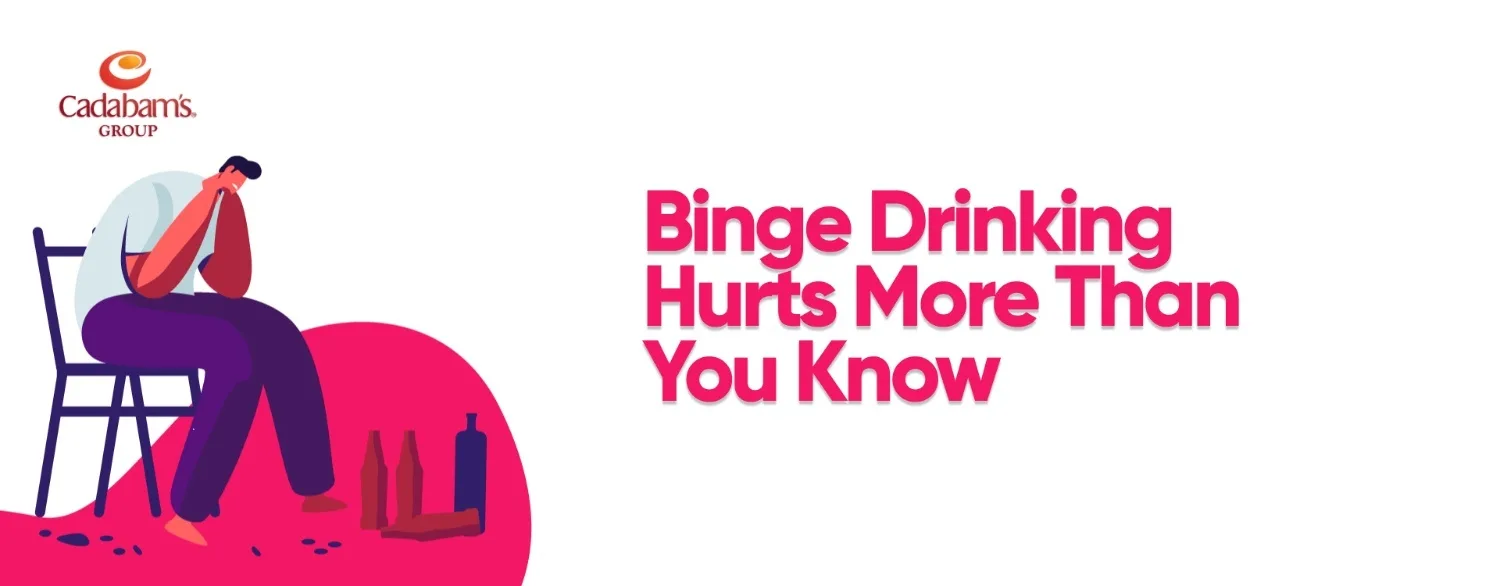
For many, weekend drinking is a way to unwind after a long week. But when does this social ritual cross the line into a more concerning pattern? Understanding the subtle signs of early alcohol dependence is the first step toward maintaining control and prioritising your well-being.
Signs You Might Be Crossing the Line
Recognising the difference between casual drinking and dependence involves paying close attention to changes in your behaviour, thoughts, and feelings surrounding alcohol. These subtle shifts are often the earliest weekend drinking addiction signs people overlook.
Behavioural and Emotional Shifts
One of the first indicators is a change in your emotional relationship with alcohol, which often appears long before the obvious binge drinking weekend warning signs are acknowledged.
Needing Alcohol to Relax or “Feel Normal”
If you find that you cannot unwind, socialise, or feel comfortable without a drink, it is a significant red flag. Alcohol should be an addition to an activity, not a prerequisite for it. Relying on it to regulate your mood indicates a shift from social use to psychological dependence.
Irritability or Low Mood When Not Drinking
Experiencing restlessness, anxiety, or a low mood on days you do not drink, even if you are only a weekend drinker, is one of the key weekend drinking addiction signs. This suggests your brain has started to adapt to the presence of alcohol and struggles to function without it.
Frequency, Quantity, and Justifications
How you think about and justify your drinking is as important as how much you drink. These thought patterns often reveal early signs of alcohol use disorder, especially when weekend habits begin to feel non-negotiable or emotionally driven.
Weekend-Only Use That Increases in Volume
Perhaps you are still only drinking on Fridays and Saturdays, but the number of drinks has crept up. This pattern, where you need more alcohol to achieve the same feeling, is a classic sign of growing tolerance and represents one of the primary binge drinking weekend warning signs.
“I Deserve This” or “It’s Just the Weekend” Narratives
Constantly justifying your drinking with thoughts like "I had a tough week" or "It's what weekends are for" can be a form of self-deception. These rationalisations allow you to ignore the increasing quantity or negative consequences, creating a barrier to self-awareness and change.
The Science of Escalation
The progression from weekend fun to dependence is rooted in predictable changes within the brain and body. These biological shifts explain why repeated binge drinking can quietly move someone from casual use toward compulsive patterns, even when drinking is limited to weekends or specific social situations.
How Binge Drinking Affects the Brain
Regularly consuming large amounts of alcohol in short periods rewires your brain's fundamental processes. These changes affect how the brain experiences reward, stress, and self-control, laying the neurological groundwork for dependence to develop over time.
Dopamine, Tolerance, and Reward Systems
Alcohol triggers a surge of dopamine, the "feel-good" neurotransmitter, in your brain's reward centre. With repeated binge drinking, the brain adapts by reducing its natural dopamine production and sensitivity. This means you need more alcohol to feel pleasure, creating a cycle of escalating use and tolerance.
Neuroadaptation and Loss of Control Over Time
Over time, these brain changes move beyond the reward system to affect areas responsible for decision-making and impulse control. This neuroadaptation is at the heart of the difference between casual drinking and dependence, as the ability to choose whether or not to drink becomes compromised, feeling more like a compulsion.
Physiological Changes You May Not Notice
The impact of frequent binge drinking extends beyond the brain, causing physical symptoms that are often misattributed to other causes. These subtle bodily changes are commonly overlooked early signs of alcohol use disorder, especially when drinking is limited to weekends.
Sleep Disruption, Fatigue, and Cravings
While alcohol might help you fall asleep faster, it severely disrupts the quality of your sleep, particularly REM sleep. This leads to next-day fatigue, low energy, and poor concentration. This exhaustion can, in turn, trigger cravings for alcohol as a misguided solution, perpetuating the cycle.
Long-Term Impact on Liver and Mental Health
Consistent heavy drinking, even if confined to weekends, places a significant strain on your liver and can lead to conditions like fatty liver disease or cirrhosis. It also exacerbates mental health issues like anxiety and depression, often creating a dual problem where alcohol is used to self-medicate a condition it is worsening.
The Role of Denial and Peer Normalisation
Social environments and personal denial play a powerful role in obscuring the distinction between alcohol abuse vs social drinking. When excessive consumption is shared and socially reinforced, warning signs are often minimised or ignored, allowing unhealthy patterns to persist.
How Social Circles Can Mask Risk
When your entire social circle engages in heavy drinking, it can be nearly impossible to see your own behaviour as problematic. Group norms often redefine excess as acceptable, blurring personal limits and reducing awareness of weekend drinking addiction signs.
Normalising Hangovers and Excess
If recounting stories of blackouts and debilitating hangovers is a common part of your group's Monday morning chat, excessive drinking becomes normalised. These shared experiences can create a culture where binge drinking weekend warning signs are celebrated as "fun" rather than recognised as harmful.
Lack of Accountability in Group Settings
In group settings where everyone is drinking heavily, there is a diffusion of responsibility. It is easy to think, "I am not drinking any more than anyone else." This lack of external accountability makes it difficult for an individual to assess their own consumption objectively.
Self-Rationalisation vs. Self-Awareness
Denial is often the biggest barrier to recognising the early signs of alcohol use disorder. It allows harmful patterns to feel justified or normal, delaying self-awareness and preventing timely reflection or intervention.
“Everyone Drinks Like This”
This common rationalisation is a powerful form of denial. While your immediate circle might drink this way, it does not reflect the broader population or healthy consumption levels. This mindset is a key differentiator when comparing alcohol abuse vs social drinking on a personal level.
Avoiding Feedback or Concern from Others
When a friend or family member expresses concern about your drinking, do you become defensive, angry, or dismissive? This reaction is often a subconscious defence mechanism to protect the habit, signalling that, on some level, you may already be aware there is a problem.
Free · Confidential
Book screening with our triage team
Speak to a clinician in minutes. We’ll help you figure out the right next step.
When and How to Intervene
Recognising a problem is the first step; taking action is the next. Early intervention can prevent a developing pattern from escalating into a severe disorder requiring intensive de-addiction treatment.
Early Intervention Tools
There are simple, private steps you can take to assess your habits. These tools encourage honest self-reflection and help identify early warning signs before weekend patterns escalate into dependence.
Self-Screening Tests and Reflective Journaling
Online tools like the AUDIT (Alcohol Use Disorders Identification Test) can provide objective feedback on your drinking patterns. Additionally, journaling about when, why, and how you feel when you drink can uncover the emotional triggers behind the habit, fostering crucial self-awareness for change.
Conversations with Mental Health Experts
Speaking with a therapist or counsellor provides a confidential, non-judgemental space to explore your relationship with alcohol. At Cadabam’s, our experts are trained to help you understand these nuances and can offer strategies before the problem deepens, preventing the need for more intensive rehabilitation later.
Role of Alcohol Rehab Centres in Prevention
A modern rehabilitation centre can play a vital role in prevention and early intervention, not just treatment for advanced addiction.
Assessments for Subclinical Dependence
Specialised centres like Cadabam’s offer comprehensive assessments that can identify early alcohol dependence even when it is not yet obvious. Our professionals can spot subclinical signs and provide a clear picture of your risk level, empowering you to make informed decisions about your health.
Outpatient Programs for Early Habit Reversal
If a problematic pattern is identified, outpatient programmes offer a flexible yet structured way to a healthier path. These programmes provide therapy, coping strategies, and support while allowing you to maintain your daily work and family life, making them ideal for reversing habits before they become entrenched.
Taking Control Before Habits Take Over
It takes courage to honestly examine your relationship with alcohol. This self-awareness is not a sign of weakness but a profound act of strength and self-care. If you feel that your weekend fun is beginning to feel more like a necessity, or if you recognise yourself in these patterns, know that support is available.
At Cadabam’s, we provide compassionate, evidence-based care to help you understand and change your habits before they take control. You do not have to navigate this alone.
If you are searching for a solution to your problem, Cadabam’s Rehabilitation Centre can help you with its team of specialized experts. We have been helping thousands of people live healthier and happier lives for 33+ years. We leverage evidence-based approaches and holistic treatment methods to help individuals effectively manage their alcohol dependence. Get in touch with us today. You can call us at +91 96111 94949.