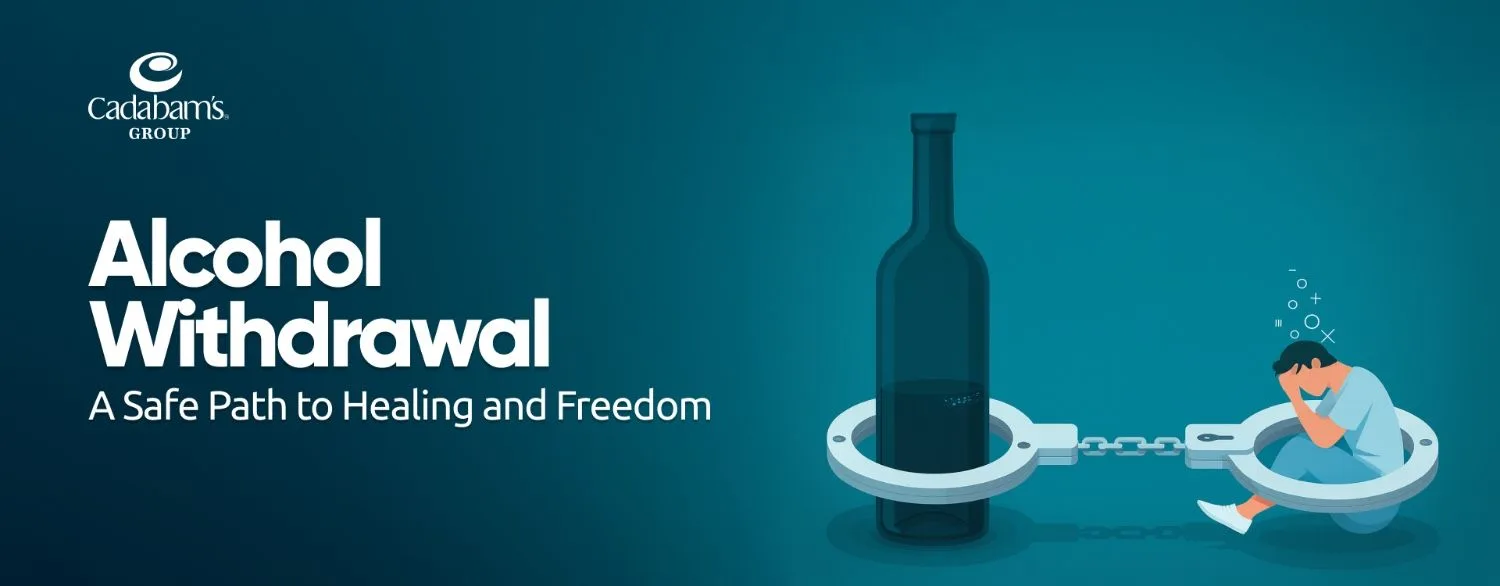
Drinking alone occasionally is not always a problem. However, when it becomes frequent, emotionally driven, or difficult to control, it can be a drinking alone warning sign and one of the early signs of alcohol use disorder. Regular reliance on alcohol to cope with stress, loneliness, or sleep issues may indicate developing dependence.
Many people begin with a quiet evening drink to relax after work. The concern starts when alcohol shifts from enjoyment to emotional necessity, especially drinking alone at night to manage mood, escape thoughts, or feel normal. At that point, the habit may no longer be routine but a behavioural change that needs attention.
Why Do People Start Drinking Alone? Understanding the Psychology Behind It
Drinking alone usually develops as a coping behaviour rather than a social choice. Over time, alcohol shifts from enjoyment to emotional relief, increasing the risk of drinking alone alcohol dependence.
What Does Drinking Alone Mean?
Drinking in isolation represents a change in relationship with alcohol — from shared experience to emotional regulation. The concern begins when a person drinks for psychological effect instead of taste or occasion.
People may:
- Prefer drinking alone over social settings
- Use alcohol to relax their mind rather than unwind socially
- Feel uneasy spending evenings without alcohol
- Depend on alcohol to manage thoughts or emotions
At this point, many wonder, is it bad to drink alone? It becomes concerning when alcohol is used as a coping tool rather than a choice.
When Normal Habits Become a Dependency Pattern
In many cultures, evening drinking is normal. A clinical concern arises when behaviour changes.
Warning patterns include:
- Increased frequency of solitary drinking
- Emotional reliance on alcohol
- Secrecy around quantity consumed
- Drinking to cope with stress, sadness, or sleep problems
These shifts can indicate early signs of alcohol use disorder rather than a harmless routine.
Why Evenings and Nighttime Increase Drinking Urges?
Many people experience stronger urges while drinking alone at night because their emotional resilience drops after daily responsibilities. Mental fatigue, reduced distractions, and unprocessed thoughts make alcohol feel like a quick way to relax or “switch off.”
Common triggers include:
- Stress after work
- Loneliness in quiet environments
- Desire for reward or escape
- Difficulty switching off thoughts
- Sleep problems or restlessness
Over time, the brain links nighttime with relief. Alcohol becomes expected rather than optional, an early behavioural dependence pattern, and one of the developing signs of alcohol use disorder.
When Does Drinking Alone Become a Problem?
Drinking alone becomes concerning when it shifts from occasional relaxation to emotional reliance. Repeated patterns, secrecy, or coping-based drinking are strong drinking alone warning signs and may indicate developing dependency.
Behavioural Red Flags to Watch For
Certain habits suggest alcohol use may be shifting from casual to compulsive. You may notice patterns such as:
- Drinking alone almost every evening
- Hiding how much you drink
- Feeling unable to relax without alcohol
- Planning your day around drinking
- Feeling anxious when alcohol isn’t available
These behaviours often appear early in drinking alone alcohol dependence.
Using Alcohol to Cope With Emotions or Sleep
Alcohol becomes problematic when used as a coping tool instead of a choice.
Warning patterns include:
- Drinking to handle loneliness or stress
- Using alcohol to fall asleep
- Drinking to stop overthinking
- Relying on alcohol after difficult days
Although it provides short-term relief, it prevents healthy coping skills and can worsen insomnia and anxiety over time.
Mental Health and Co-Occurring Disorders
Solitary drinking frequently overlaps with mental health conditions. Alcohol may temporarily numb emotional discomfort, but ultimately intensifies it, making coping harder the next day.
Common associations:
- Depression
- Anxiety
- Burnout
- Emotional avoidance
This cycle becomes one of the important signs of alcohol use disorder, as alcohol starts regulating mood rather than social behaviour and gradually replaces healthier coping habits.
Clinical Implications of Drinking Alone Regularly
From a clinical perspective, the regular habit of drinking alone is not just a behavioural quirk; it is a significant predictor of alcohol-related harm. At Cadabam’s, our experts view this pattern as an early and crucial indicator that requires attention before it escalates into a severe disorder.
What Are the Early Signs of Alcohol Use Disorder (AUD)
Solitary drinking commonly appears alongside early behavioural and physiological symptoms of alcohol dependence.
Key early indicators include:
- Increasing tolerance (needing more alcohol for the same effect)
- Strong evening or situational cravings
- Difficulty limiting intake once drinking starts
- Planning to drink “a little” but consuming much more
- Thinking about alcohol throughout the day
Tolerance, Cravings, and Loss of Control
Repeated alcohol exposure alters reward pathways in the brain. The body adapts, requiring higher quantities to produce relaxation. At this stage, drinking shifts from choice to urge-driven behaviour.
Why Is Drinking Alone a Relapse Warning Sign?
In recovery settings, solitary drinking is considered a high-risk behavioural shift.
Clinically, it signals:
- Withdrawal from support systems
- Return to emotional avoidance coping
- Increased secrecy around substance use
- Loss of accountability structures
Because social regulation disappears, consumption increases faster, and relapse risk rises significantly. Addressing this early prevents full recurrence of alcohol dependence.
What Physical Health Problems Can Drinking Alone Cause?
Long-term solitary drinking contributes to measurable organ damage and neurological changes.
Common medical consequences:
- Liver inflammation and fatty liver disease
- Elevated blood pressure and cardiac strain
- Sleep cycle disruption
- Reduced impulse control due to frontal lobe effects
Without social pacing cues, individuals often underestimate intake, accelerating harm.
How Does Drinking Alone Affect the Brain and Thinking Ability?
Alcohol directly impacts cognition, emotional regulation, and executive functioning.
Cognitive effects may include:
- Poor concentration
- Short-term memory lapses
- Reduced problem-solving ability
- Slower reaction time
- Reduced workplace productivity
Over time, the brain begins associating alcohol with emotional regulation, reinforcing dependence patterns.
Why Do Clinicians Take Solitary Drinking Seriously?
Mental health professionals view repeated drinking in isolation as an early behavioural dependency signal because the motivation shifts from social enjoyment to emotional regulation. When alcohol becomes a coping mechanism rather than a choice, the risk of alcohol use disorder increases significantly.
Early recognition allows structured intervention, behavioural therapy, and relapse prevention planning before severe addiction develops.
Why Do People Avoid Seeking Help for Drinking Alone, and When Should They?
Many individuals delay seeking help even after a drinking alone warning sign appears because the behaviour feels manageable, private, and emotionally comforting. Denial, stigma, and fear of being labelled dependent often prevent early intervention. However, recognising these barriers early can stop the pattern from progressing into alcohol addiction rehabilitation needs.
Psychological Barriers That Prevent Action
Most people don’t ignore a problem on purpose — they gently convince themselves it isn’t one yet.
You might hear yourself thinking:
- “It’s just one drink after a long day.”
- “I’m not hurting anyone.”
- “At least I’m not drinking outside.”
These thoughts feel reassuring in the moment. They reduce guilt and make the habit seem controlled. But slowly, the question changes from how often am I drinking? to can I justify it today? — and that’s when dependency can begin to grow quietly in the background.
The Role of Denial and Rationalisation
Denial often protects the habit by making it feel harmless rather than harmful. Instead of noticing the pattern, the mind focuses on justifying the moment. This keeps a drinking alone warning sign from being recognised early.
Common thoughts people use to rationalise drinking:
- “I deserve this after a long day.”
- “I’m not hurting anyone.”
- “At least I’m drinking at home, not outside.”
- “It helps me relax and sleep.”
These beliefs shift attention away from frequency and emotional reliance. Over time, the behaviour feels normal rather than concerning.
Fear and stigma also delay seeking help:
- Fear of being labelled an “addict”
- Worry about family or social judgement
- Belief that the problem is not serious enough
- Hope that self-control alone will fix it
As secrecy increases, isolation grows, and the habit strengthens. Recognising these thought patterns early helps people move from avoidance to action before dependence develops.
How to Stop Drinking Alone Before It Becomes Dependence
Recognising a drinking alone warning sign early gives you the best chance to change the habit before it develops into drinking alone alcohol dependence. Small, consistent steps work better than waiting for a crisis.
Start with honest conversations
- Talk to a trusted friend or family member about your drinking patterns
- Sharing reduces secrecy and isolation that maintain the habit
- Outside perspective helps you see behaviour more clearly
- Support makes seeking professional help feel less overwhelming
Use therapy to understand the real cause
- Identifies triggers such as stress, loneliness, trauma, or burnout
- Builds healthier coping strategies to replace alcohol
- Addresses emotional patterns linked to drinking alone alcohol dependence
- Creates a structured path toward recovery and alcohol addiction rehab
Early action shifts the focus from control to understanding, which is often the turning point toward lasting change.
Free · Confidential
Book screening with our triage team
Speak to a clinician in minutes. We’ll help you figure out the right next step.
How Do Rehab Centres Help People Who Drink Alone?
When a drinking alone warning sign progresses beyond self-control, structured care becomes important. A professional alcohol addiction rehab programme does not only stop alcohol use — it identifies why the habit formed and replaces it with sustainable coping patterns.
Assessment, Triggers, and Safe Detox
Treatment begins with understanding the behaviour rather than judging it.
Rehab teams typically:
- Assess drinking patterns, emotional triggers, and daily routines
- Screen for anxiety, depression, or burnout linked to drinking alone alcohol dependence
- Identify high-risk times such as drinking alone at night
- Create a personalised treatment plan
If physical dependence exists, medical detox may be required:
- 24/7 monitoring during withdrawal
- Medication to reduce symptoms and cravings
- Safer alternative to stopping abruptly
- Prevention of severe complications
Rebuilding Evenings Without Alcohol
Recovery focuses heavily on the hours when urges appear.
Therapeutic support helps you:
- Break the stress-reward drinking cycle using behavioural therapy
- Develop alternative relaxation habits
- Improve sleep without alcohol
- Reduce relapse risk and early signs of alcohol use disorder
Restoring Social and Emotional Stability
Isolation strengthens dependency, so treatment rebuilds connection.
Rehab programmes provide:
- Group therapy, CBT to reduce secrecy and loneliness
- Emotional regulation skills
- Relapse-prevention planning
- Long-term coping strategies
Over time, alcohol stops being the solution to the evening — and becomes unnecessary to cope with it.
Begin Your Journey to a Healthier, Alcohol-Free Life
The transition from a social drinker to someone who regularly drinks alone is often subtle, but it is a critical warning sign that should not be ignored. If you or a loved one is caught in this cycle, please know that you are not alone, and help is available. Breaking the silence is the first step toward regaining control and building a healthier future.
At Cadabam’s, we offer empathetic, evidence-based treatment for alcohol dependence and co-occurring mental health conditions. Our experienced team is here to guide you through every step of your recovery journey with compassion and expertise.
If you are searching for a solution to your problem, Cadabam’s Rehabilitation Centre can help you with its team of specialised experts. We have been helping thousands of people live healthier and happier lives for 33+ years. We leverage evidence-based approaches and holistic treatment methods to help individuals effectively manage their alcohol dependence. Get in touch with us today. You can call us at +91 96111 94949.