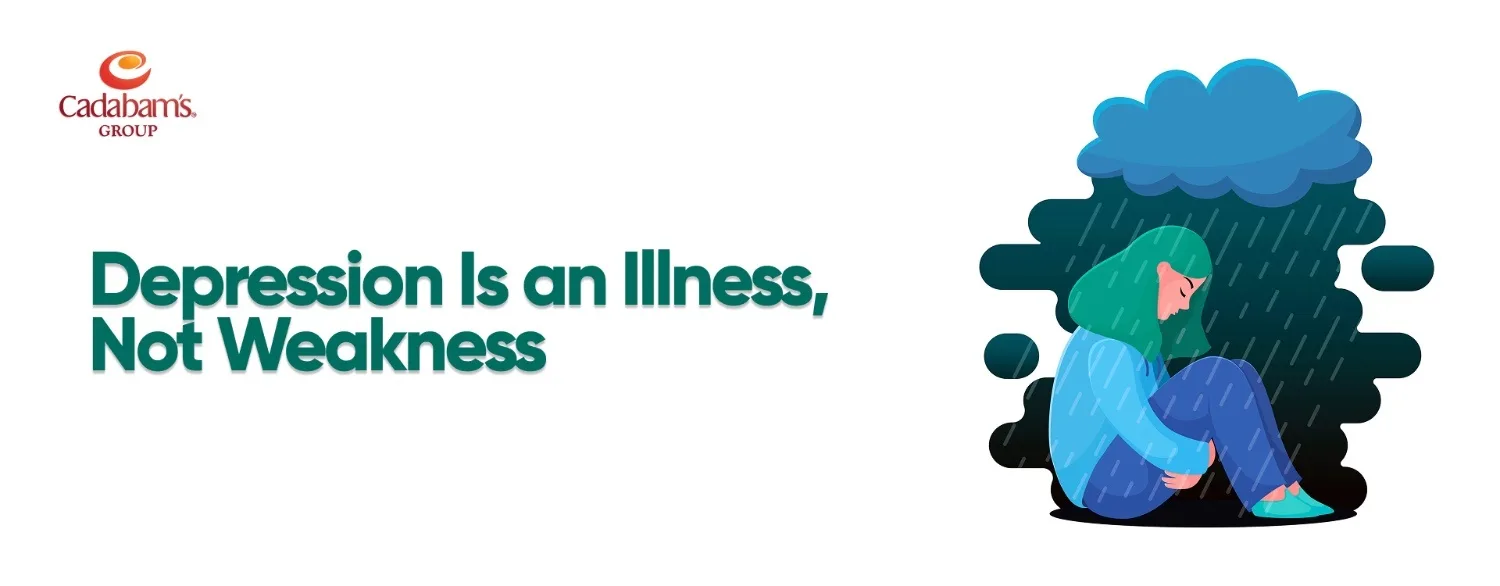
Depression and workaholism are often deeply connected, especially in high achievers. Many people use overworking and overachievement as a coping mechanism to distract from emotional pain, low self-worth, and emptiness. This article explores the complex connection between depression and workaholism, helping you recognise when productivity becomes a mask for pain.
What Is The Link Between Depression And Workaholism?
Depression and workaholism are linked through emotional avoidance, where excessive work becomes a way to escape painful thoughts, feelings of emptiness, and low self-worth. The drive to overwork is often fuelled by deep-seated emotional needs that success alone cannot fulfil, creating a difficult and often unseen cycle.
Why Depression Can Drive Overworking
Depression often drives overworking because work becomes a powerful distraction from emotional pain and a way to seek validation through achievement. It can push people into overworking for several emotional reasons:
Work as a distraction from emotional pain
The structure and constant demands of long work hours can become an effective, albeit temporary, escape from persistent feelings of sadness, numbness, or anxiety. Focusing on tasks, deadlines, and professional challenges leaves little mental space to confront the emotional turmoil that waits in moments of quiet and stillness.
Achievement as a way to mask feelings of emptiness
Each promotion, successful project, or accolade provides a temporary boost, masking the underlying feeling that, without these accomplishments, they have no intrinsic value, making workaholism as a coping mechanism, a powerful force.
The Trap of Overachievement
Overachievement can hide depression by creating an illusion of success that distracts from internal emotional struggles.
External validation covers internal struggles
Praise from colleagues, industry awards, and a rising career trajectory create a compelling illusion of well-being. This external validation can make it easy for the individual and those around them to overlook the internal battle with depression. The persona of success becomes a protective armour against vulnerability.
Success doesn’t eliminate underlying depression
No amount of professional success can resolve the neurochemical and psychological roots of depression. The relief from achievement is fleeting, and the underlying condition remains, often worsening over time. This leads to a dangerous cycle where depression hidden by overachievement requires ever-greater accomplishments to feel even momentarily okay.
What Are The Risks Of Ignoring The Link Between Depression And Workaholism?
When overwork is used to mask depression, the consequences extend far beyond the workplace. Ignoring the deep connection between mental health and overworking can lead to a severe decline in overall well-being and personal relationships.
How Does Overworking Affect Mental And Physical Health?
The cycle of depression and overworking places intense strain on both the body and mind over time. What may begin as dedication or ambition can gradually lead to serious health consequences if left unaddressed.
Burnout, insomnia, and cardiovascular strain
Chronic overworking places the body under continuous pressure, gradually wearing down both physical and emotional resilience.
- Emotional exhaustion and burnout develop as the nervous system remains in a constant state of stress.
- Sleep problems such as insomnia become common as the mind struggles to switch off.
- Long-term stress increases the risk of high blood pressure and cardiovascular disease.
Worsening depression, anxiety, or substance use
When work is used as the main coping mechanism, the underlying emotional distress often intensifies over time.
- Depression can worsen as productivity stops providing emotional relief.
- Anxiety may increase due to constant pressure and fear of slowing down.
- Some individuals turn to alcohol or drugs as additional coping methods, sometimes requiring specialised de-addiction and rehabilitation support.
How Does Workaholism Damage Relationships And Life Balance?
The focus on work comes at a cost to a person's personal life. This impact is most clearly seen in how work affects relationships and social connections.
Emotional distance from family and friends
When all energy is channelled into a career, there is little left for loved ones. This can lead to emotional withdrawal and strained relationships, as family and friends feel neglected or shut out. The person may be physically present but mentally absent, preoccupied with work.
Isolation masked by constant busyness
Being constantly busy creates an excuse to avoid social interaction and a deeper emotional connection. This allows a person to feel productive while simultaneously deepening their isolation. The loneliness that often accompanies depression is therefore reinforced, not resolved, by the non-stop activity.
Free · Confidential
Book screening with our triage team
Speak to a clinician in minutes. We’ll help you figure out the right next step.
Getting Help Beyond the Workplace
Recognising the problem is the first and most courageous step. Breaking the cycle of depression and workaholism requires seeking support outside the high-pressure environment that fuels it, focusing instead on healing and building a healthier relationship with yourself and your work.
What Professional Help Is Effective For Depression And Workaholism?
Because overworking is often used as a coping mechanism, treatment focuses on healing the underlying causes rather than just reducing work hours. Expert guidance is essential for addressing the root causes of this complex issue:
Therapy for perfectionism, trauma, and mood disorders
A qualified therapist can help you unpack the underlying reasons for using work to cope, whether it's perfectionism, past trauma, or low self-worth.
Common therapeutic approaches include:
- Cognitive Behavioural Therapy (CBT) to challenge unhelpful thought patterns and reduce compulsive overworking
- Trauma-informed therapy to address unresolved emotional wounds
- Therapy for perfectionism and self-esteem to reduce self-criticism and fear of failure
At Cadabam’s, our specialists use evidence-based approaches to help individuals develop healthier coping strategies and rebuild self-esteem.
Medication, if needed, for clinical depression
For some individuals, therapy is most effective when paired with medication to help manage the symptoms of clinical depression. A psychiatrist can conduct a thorough evaluation to determine if medication is an appropriate part of your comprehensive treatment plan to restore emotional balance.
What Practical Strategies Help Balance Mental Health And Productivity?
Small, consistent changes can help you reclaim your life from the demands of work. The most effective strategies focus on boundaries, self-care, and building an identity beyond work.
How Can You Set Healthy Boundaries For Work-Life Balance?
Creating clear boundaries between work and personal life helps reduce burnout and protect long-term mental health.
- Define clear work hours and avoid checking emails outside those times
- Turn off notifications after a set time each evening
- Schedule protected time for rest, family, and social activities
- Practise saying no to unreasonable demands without guilt
How Do Mindfulness And Hobbies Support Emotional Well-Being?
Developing interests outside of work helps restore balance and reconnect you with parts of yourself beyond productivity.
- Engage in hobbies that bring enjoyment without performance pressure
- Practise mindfulness or meditation to stay present and reduce stress
- Exercise regularly to support both mental and physical health
- Consider volunteering to build purpose outside of career success
How Can Employers And Families Support Recovery?
Support is most effective when it comes from both professional and personal circles. A supportive environment is a critical component of recovery.
Encouraging a healthy workplace culture
Employers can play a vital role by promoting a culture that values well-being over sheer hours worked. This includes encouraging breaks, respecting time off, and training managers to recognise signs of distress and burnout, creating a psychologically safe workplace for everyone.
Normalising conversations around mental health
Family members and friends can help by creating a safe space to talk about feelings without judgement. Simply asking, “I’ve noticed you seem stressed lately, how are you really doing?” can open the door for a meaningful and supportive conversation that reduces stigma and isolation.
How Can You Reclaim Your Well-Being Beyond Achievement?
Success and ambition are not inherently negative, but they become destructive when used to mask emotional pain. The cycle of depression and workaholism creates an illusion of control while eroding your mental and physical health from the inside out. Recognising that your relentless drive might be a sign of a deeper struggle is not a failure; it is an act of profound self-awareness and strength.
True well-being isn't found in a job title or a list of accomplishments; it's found in balance, self-compassion, and the courage to seek help. At Cadabam’s, we understand the unique pressures faced by high achievers. Our specialised programmes for depression, burnout, and behavioural addictions offer a path to genuine recovery and rehabilitation. You don’t have to carry this burden alone.
If you are searching for a solution to your problem, Cadabam’s Rehabilitation Centre can help you with its team of specialised experts. We have been helping thousands of people live healthier and happier lives for 33+ years. We leverage evidence-based approaches and holistic treatment methods to help individuals effectively manage their Depression. Get in touch with us today. You can call us at +91 96111 94949.