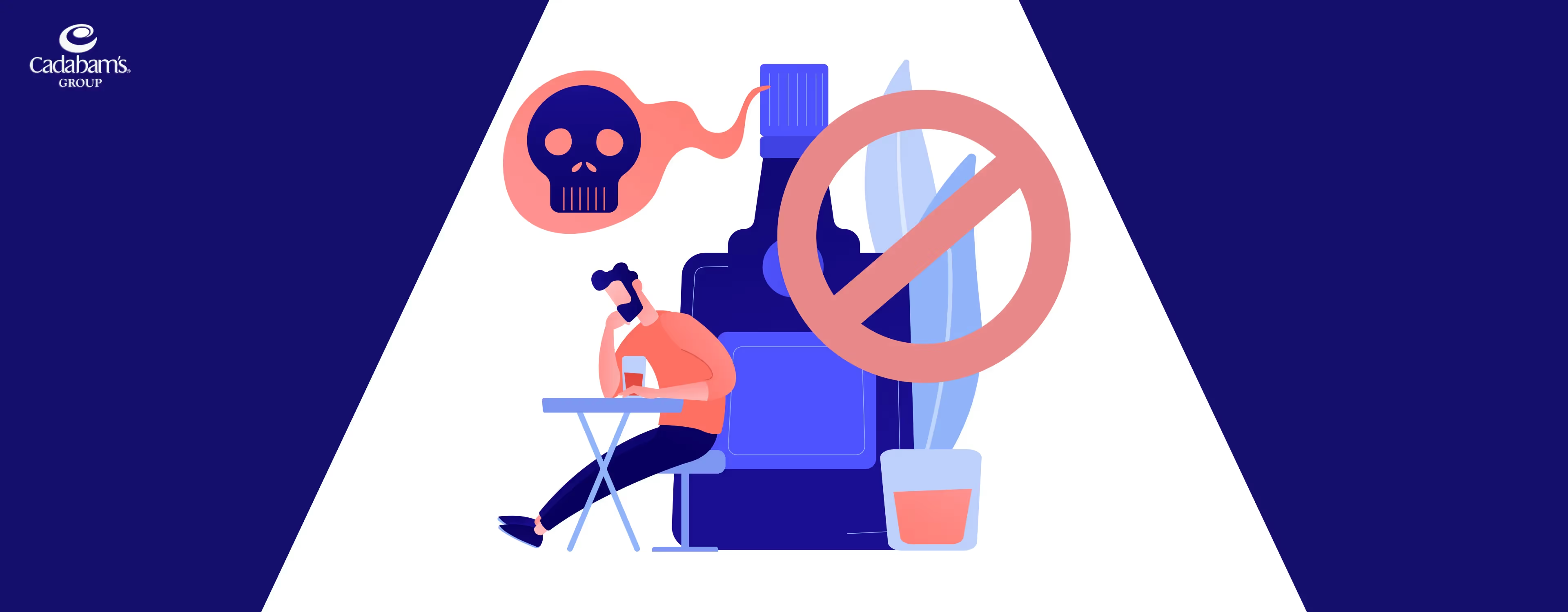
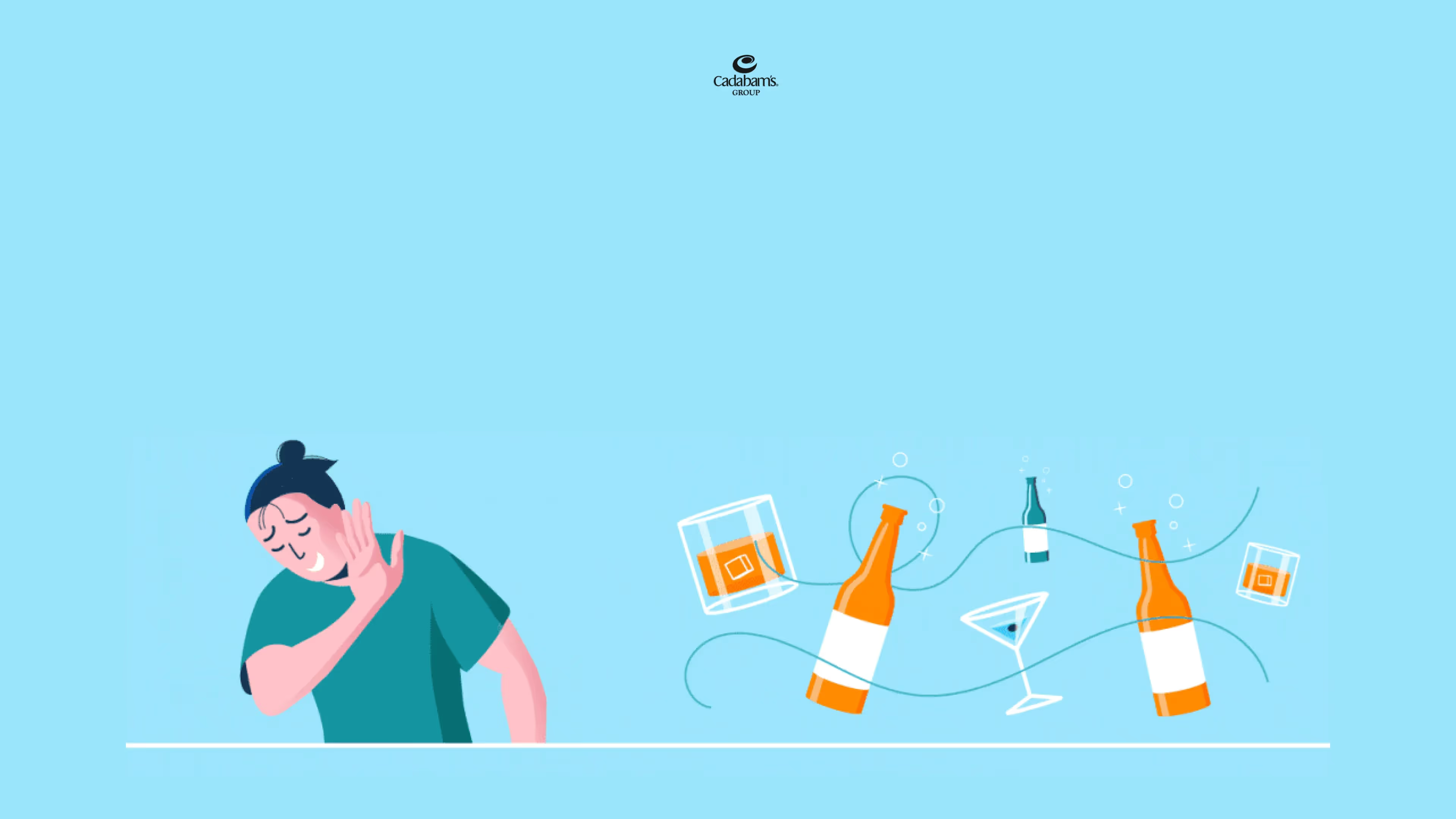
Life’s pressures can be overwhelming, and finding a quick way to unwind is a common goal. For many, alcohol seems like an easy answer. However, when a drink becomes the only way to cope, it can signal a deeper issue of alcohol dependence, leading to significant risks.
Recognising Alcohol Dependence for Stress Relief
It is crucial to understand when the habit of drinking for stress moves into the territory of dependence. Here is how to identify the warning signs and understand the impacts. Recognising alcohol dependence early can prevent long-term harm and open the door to healthier stress relief methods.
The Signs of Dependence
Recognising the signs of dependence is the first step towards seeking help and finding healthier ways to manage stress. These signs often develop gradually and are easy to overlook when alcohol is used as a routine coping tool.
Increased Tolerance
Increased tolerance means you need to drink more alcohol to achieve the same calming effect you once felt with a smaller amount. This happens because your body adapts to the presence of alcohol, diminishing its impact over time and pushing you towards higher consumption, which escalates health risks.
Withdrawal Symptoms
When you try to reduce or stop drinking, you might experience physical and psychological withdrawal symptoms. These can include shaking, sweating, nausea, headaches, anxiety, or irritability. Experiencing withdrawal is a clear indicator that your body has become physically dependent on alcohol to function, a serious sign of alcohol dependence.
Psychological Impacts of Relying on Alcohol
While it may offer temporary relief, consistent use of alcohol for stress management takes a significant toll on your mental well-being. Over time, this pattern reinforces alcohol dependence and weakens the mind’s ability to cope with stress through healthier coping strategies.
Mood Swings
Alcohol can cause significant fluctuations in mood. While it may initially feel like it is lifting your spirits, the rebound effect can lead to irritability, anger, and sudden sadness. This emotional rollercoaster makes it harder to manage stress naturally and can strain your relationships with others who find your moods unpredictable.
Anxiety and Depression
Ironically, using alcohol to relieve stress often worsens anxiety and depression in the long run. Alcohol disrupts the brain's natural balance of mood-regulating chemicals. This can create a vicious cycle where you drink to ease anxiety, but the after-effects of drinking cause even greater anxiety, deepening the problem.
The Physical Health Risks
The long-term physical toll of using alcohol as a primary stress reliever is severe and can lead to life-threatening conditions. When drinking becomes a routine stress relief method, the body bears sustained strain that often goes unnoticed until serious damage occurs.
Liver Damage
The liver is responsible for processing alcohol, and excessive consumption overburdens it, leading to inflammation and damage. Conditions like fatty liver disease, alcoholic hepatitis, and cirrhosis can develop. Cirrhosis is particularly dangerous as it involves irreversible scarring of the liver, severely impairing its function and potentially leading to liver failure.
Heart Disease
Chronic heavy drinking can have detrimental effects on your cardiovascular system. It can lead to high blood pressure, irregular heartbeats (arrhythmia), and weakening of the heart muscle (cardiomyopathy). These conditions significantly increase your risk of having a heart attack or stroke, demonstrating how a coping mechanism can cause severe physical harm.
Why Alcohol Becomes the Primary Coping Mechanism
Understanding the reasons behind relying on alcohol is key to breaking the cycle and finding sustainable solutions. When stress relief methods are limited or ineffective, alcohol can quickly become the default response to pressure.
Understanding the Appeal
Alcohol's immediate, socially accepted effects make it a tempting choice for managing stress. Its quick impact can feel easier and more accessible than developing healthier coping strategies that take time and effort.
Immediate Effects on Stress Levels
Alcohol is a central nervous system depressant, meaning it slows down brain function and produces a temporary feeling of relaxation and euphoria. This immediate, albeit short-lived, relief from stress and anxiety makes it a powerful and appealing coping mechanism, reinforcing the behaviour each time it is used for comfort.
Social Norms and Acceptance
Drinking is often integrated into social gatherings and cultural practices, making it seem like a normal way to relax and socialise. This widespread acceptance can normalise using alcohol to de-stress after a tough day, blurring the line between moderate social drinking and a developing pattern of alcohol dependence.
The Role of Habit and Environment
Your daily routines and surroundings play a significant role in shaping your drinking habits. Over time, these patterns can make alcohol feel like an automatic response to stress rather than a conscious choice.
Routine and Accessibility
If stopping for a drink on the way home or having a few glasses every evening becomes a daily ritual, the habit becomes ingrained. The easy accessibility of alcohol, whether at home, in shops, or at bars, makes it a convenient and readily available option, reinforcing its role as a go-to solution.
Peer Influence
Social circles can heavily influence drinking behaviours. If your friends, family, or colleagues regularly drink to unwind, you are more likely to adopt the same habit. This peer influence can create an environment where heavy drinking is encouraged, making it difficult to choose alternative stress relief methods.
Lack of Alternative Stress Relief Methods
When healthy coping strategies feel unfamiliar or out of reach, unhealthy stress relief methods can take their place without conscious intention. Without knowledge or access to other coping mechanisms, alcohol can easily become the default choice.
Limited Awareness
Many people are simply unaware of the wide range of effective and healthy coping strategies available for stress management. Without knowledge about techniques like mindfulness, exercise, or hobbies as stress relievers, individuals may not realise there are better, more sustainable ways to manage their mental and emotional well-being.
Accessibility Issues
Even with awareness, access to alternative resources may be limited. Joining a gym, finding a therapist, or dedicating time to a new hobby can present financial, time, or logistical challenges. Compared to these, alcohol often seems like a more straightforward and immediately accessible solution for immediate stress relief.
The Consequences of Not Addressing Alcohol Dependence
Ignoring the signs of dependency can lead to devastating long-term effects on every aspect of your life. What begins as a stress relief habit can gradually affect physical health, emotional stability, and overall functioning.
Long-Term Health Effects
The cumulative impact of untreated alcohol dependence can lead to irreversible health problems. Prolonged exposure places continuous strain on vital organs and systems, often with irreversible consequences.
Chronic Diseases
Beyond liver and heart disease, long-term alcohol misuse contributes to a host of other chronic illnesses. These include pancreatitis, certain types of cancer (such as mouth, oesophagus, and liver), a weakened immune system, and severe nutritional deficiencies, all of which compromise your overall health and quality of life.
Mental Health Deterioration
Continued reliance on alcohol exacerbates underlying mental health issues. It can worsen symptoms of anxiety and depression, increase the risk of suicide, and may lead to alcohol-induced psychosis or cognitive impairments like memory loss. The path of deaddiction is vital for mental health recovery.
Impact on Personal and Professional Life
The ripple effects of alcohol misuse extend far beyond your health, damaging relationships and career prospects. Over time, it can strain personal bonds and interfere with professional responsibilities in subtle but lasting ways.
Relationships Strain
Dependence on alcohol often leads to conflict, broken trust, and emotional distance from loved ones. The associated mood swings, unreliability, and neglect of responsibilities can put immense strain on relationships with partners, family members, and friends, leading to isolation when you need support the most.
Job Performance and Security
Alcohol misuse can severely impact your professional life. It can lead to decreased productivity, absenteeism, poor decision-making, and workplace accidents. This decline in performance can jeopardise your job security, hinder career progression, and ultimately lead to financial instability, adding even more stress to your life.
Exploring Healthy Coping Strategies
Thankfully, there are many positive and effective ways to manage stress that support your overall well-being. Exploring healthy coping strategies can help reduce reliance on alcohol while building emotional resilience and long-term balance in daily life.
Physical Activity as a Stress Reliever
Engaging your body is a powerful way to calm your mind and build resilience. Physical movement offers a natural stress relief method that improves both mental clarity and emotional regulation over time.
Exercise Benefits
Regular exercise is a fantastic stress reliever because it boosts the production of endorphins, your brain's natural mood elevators. It also helps reduce levels of the body's stress hormones, like adrenaline and cortisol. This natural, healthy process improves sleep, which is often disrupted by stress and alcohol use.
Types of Physical Activities
You can choose from a variety of activities to suit your fitness level and preferences. Brisk walking, jogging, cycling, and swimming are excellent cardiovascular exercises. Alternatively, practices like yoga or tai chi combine physical movement with mindfulness, offering a dual benefit for both body and mind.
Mindfulness and Relaxation Techniques
These practices help you calm your nervous system and manage stress in the moment without resorting to alcohol, supporting mental clarity and overall emotional well-being.
Meditation
Meditation involves focusing your attention to achieve a state of calm and mental clarity. Even a few minutes of daily practice can help reduce stress, improve concentration, and foster a sense of inner peace. There are many guided meditation apps and resources available to help you get started on this journey.
Deep Breathing Exercises
Deep breathing is a simple yet powerful technique that can be done anywhere, anytime. By taking slow, deep breaths, you activate the parasympathetic nervous system, which promotes a state of calm. This helps counteract the body's acute stress response, providing immediate relief from feelings of anxiety and overwhelm.
Creative Outlets and Hobbies
Engaging in activities you enjoy can be a fulfilling and effective way to manage stress, offering healthy coping strategies that reduce reliance on alcohol and support overall emotional well-being.
Art and Music
Creative expression through painting, drawing, playing an instrument, or simply listening to music can be incredibly therapeutic. These activities allow you to process emotions and focus your mind on something enjoyable and constructive, providing a healthy escape from stressors instead of turning to alcohol for temporary relief.
Gardening or Cooking
Activities like gardening or cooking can be both meditative and rewarding. Focusing on the sensory details of tending to plants or preparing a meal can be a form of mindfulness. The sense of accomplishment from nurturing something or creating a delicious dish provides a positive emotional boost and a healthy outlet.
Implementing Change: Tips for Reducing Alcohol Use
Taking proactive steps to change your habits is a courageous and empowering decision, marking the beginning of a journey toward lasting recovery, improved mental well-being, and healthier stress relief methods.
Setting Realistic Goals
A gradual and structured approach is often more successful than attempting drastic changes overnight, helping you build sustainable habits and regain control over your stress relief methods.
Small, Achievable Steps
Instead of aiming to quit alcohol completely all at once, start with smaller goals. This could mean reducing your intake by one drink per day, having alcohol-free days during the week, or avoiding drinking alone. These small victories build confidence and make the larger goal feel less daunting.
Monitoring Progress
Keeping a diary to track your drinking habits, triggers, and progress can be very insightful. This helps you recognise patterns and celebrate your successes along the way. Monitoring helps you stay accountable to your goals and adjust your strategy as you learn more about your relationship with alcohol.
Seeking Support
You do not have to navigate this journey alone; support is a cornerstone of successful change. Professional guidance and peer encouragement can make the path to recovery more manageable and empowering.
Professional Help
A therapist, counsellor, or addiction specialist can provide crucial guidance and support. At centres like Cadabam’s, professionals offer evidence-based therapies, such as Cognitive Behavioural Therapy (CBT), to help you develop healthy coping strategies and address the root causes of alcohol dependence. Professional rehabilitation programmes offer structured and safe environments for recovery.
Support Groups and Communities
Connecting with others who have similar experiences can be incredibly validating and empowering. Support groups like Alcoholics Anonymous (AA) or other peer-led communities provide a safe space to share struggles and successes. This shared understanding reduces feelings of isolation and provides a network of encouragement for your deaddiction journey.
Building a Supportive Environment
Your surroundings can either support your recovery or hinder it; take steps to make it a positive space. Small adjustments in your surroundings and clear communication with loved ones can significantly reinforce healthier choices.
Communicating with Loved Ones
Openly communicate your goals with trusted friends and family. Explain that you are trying to reduce your alcohol intake and would appreciate their support. This might mean suggesting alcohol-free social activities or asking them not to offer you drinks, creating a supportive network that respects your choices.
Reducing Alcohol Accessibility
Make alcohol less accessible in your home environment. Avoid stocking up on alcohol, and consider removing it from your home altogether for a period. When you go out, choose venues that do not centre around drinking, or plan your exit strategy in advance to avoid situations that trigger cravings.
Free · Confidential
Book screening with our triage team
Speak to a clinician in minutes. We’ll help you figure out the right next step.
Fostering a Healthier Lifestyle Beyond Alcohol
Moving beyond alcohol dependence is not just about stopping drinking; it is about building a more fulfilling and balanced life. This journey also involves nurturing your mental, emotional, and physical well-being to create lasting positive change.
Embracing a Holistic Approach to Well-being
True wellness involves nurturing your mind, body, and spirit. It also means developing habits and practices that support long-term balance and resilience in everyday life.
Balance in All Things
A healthy lifestyle is about finding balance. This includes a nutritious diet, regular exercise, sufficient sleep, and meaningful social connections. By focusing on these core pillars of health, you build resilience against stress, reducing the perceived need for alcohol as a crutch and fostering overall well-being.
Continuous Self-Improvement
Recovery and self-improvement are ongoing journeys, not final destinations. Be patient and compassionate with yourself. Celebrate your progress, learn from setbacks, and continue to explore new stress relief methods and hobbies that bring you joy and fulfilment, creating a life that is rich and meaningful without alcohol.
The Importance of Professional Guidance
Recognising when you need expert help is a sign of strength, not weakness, and taking that step early can prevent further complications while setting the foundation for lasting recovery and healthier coping strategies.
When to Seek Help
If you find that you cannot reduce your drinking on your own, if you experience withdrawal symptoms, or if your alcohol use is negatively impacting your health, work, or relationships, it is time to seek professional help. Early intervention can prevent more severe consequences and set you on the path to a successful recovery.
Finding the Right Resources
Finding the right support is crucial for a successful rehabilitation journey. An evidence-based centre can offer a comprehensive assessment and a personalised treatment plan that may include therapy, medical supervision, and holistic support. This structured approach provides the tools and environment needed for lasting change.
Professional Help and Evidence-Based Care
If you or a loved one is struggling with alcohol use, please know that you are not alone, and help is available. At Cadabam’s, we offer compassionate, evidence-based care to guide you toward recovery. Reach out to us to learn more about our programmes and start your journey to a healthier, alcohol-free life.
If you are searching for a solution to your problem, Cadabam’s Rehabilitation Centre can help you with its team of specialized experts. We have been helping thousands of people live healthier and happier lives for 33+ years. We leverage evidence-based approaches and holistic treatment methods to help individuals effectively manage their alcohol dependence. Get in touch with us today. You can call us at +91 96111 94949.