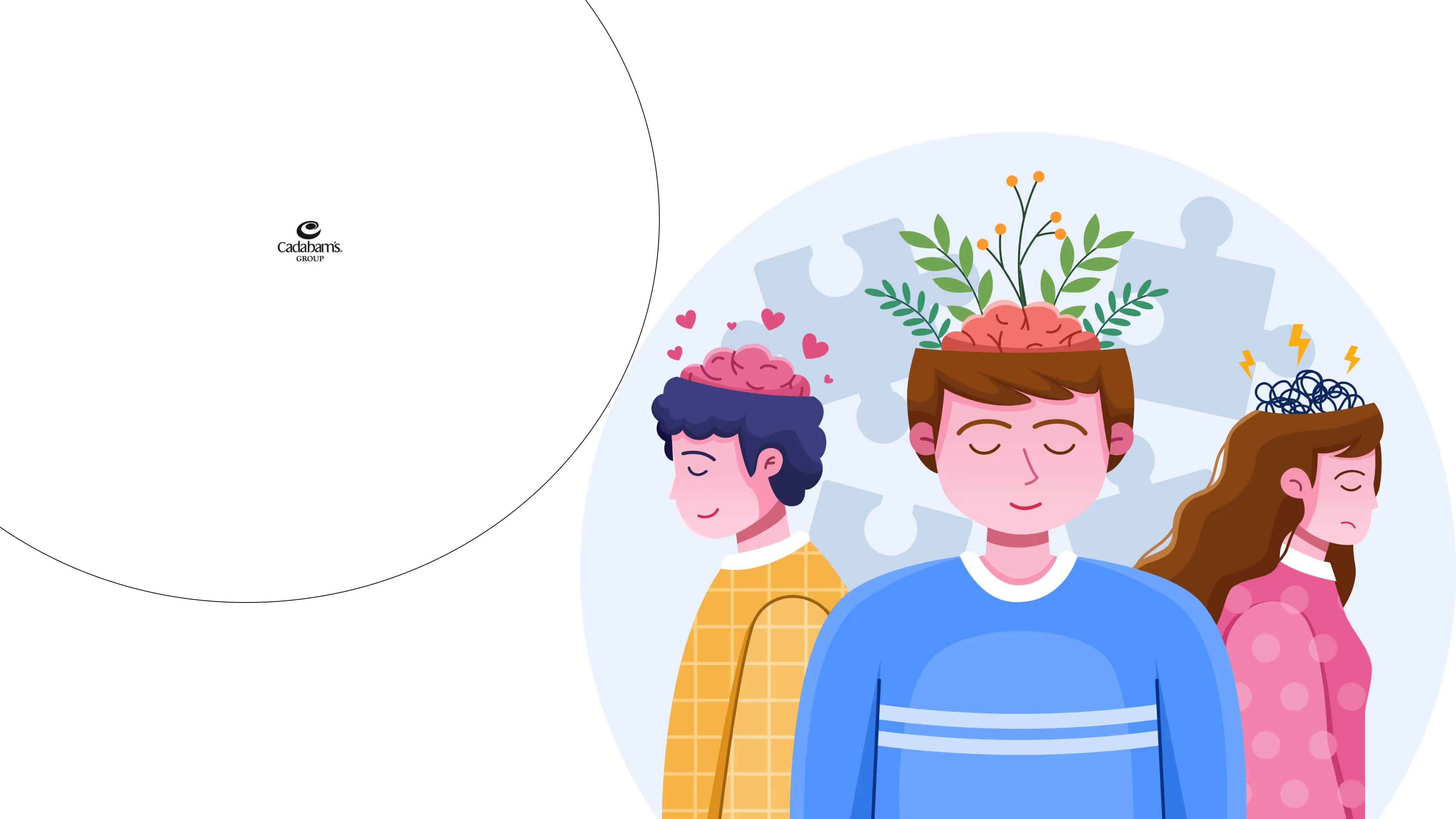
Social media promotes body positivity yet often glorifies unrealistic beauty standards. While some platforms support self-love, constant comparisons still harm confidence, showcasing the negative social media effects on body image.
True body positivity means embracing natural beauty, imperfections included. Balance your feed, question what’s real, and prioritise mental wellness over curated appearances.
Understanding Self-Image in the Digital Age
Online content and virtual personas deeply influence self-image in today's digital world. Social media, filters, and curated lives shape how individuals perceive themselves, often blurring reality.
Understanding this evolving concept helps in addressing its impact on self-worth, confidence, and overall mental well-being. The social media effects on body image are significant as they contribute to how individuals perceive themselves, often distorting reality and affecting their emotional health.
Defining Self-Image and Its Psychological Significance
Self-image is how individuals view their appearance, abilities, and personality. It forms early and evolves through experiences and feedback. A healthy self-image fosters confidence and emotional balance.
However, a distorted self-image can contribute to anxiety, depression, and low self-esteem. Understanding this concept is essential for nurturing positive mental health.
Social Media's Role in Shaping Self-Perception
Social media often projects unrealistic beauty standards and lifestyles. Constant comparisons can damage self-esteem and body image. This constant exposure highlights social media affecting body image on a daily basis.
Likes, filters, and comments shape how people feel about themselves, especially adolescents. Understanding this influence is vital for promoting digital well-being and encouraging authentic self-expression.
The Psychological Effects of Unrealistic Beauty Standards
Social media often promotes flawless skin, slim bodies, and symmetrical features as the ideal. These unrealistic beauty standards are unattainable for most people.
Constant exposure leads to dissatisfaction, low self-esteem, and mental health struggles. Many users internalise these ideals, highlighting social media affecting body image over time and how people view themselves and others in real life.
The Rise of 'Snapchat Dysmorphia' & Filtered Realities with 'Instagram Face'
Snapchat Dysmorphia refers to individuals seeking cosmetic surgery to resemble their filtered selfies. The "Instagram Face" flawless skin, full lips, tiny nose has become a beauty goal. This obsession distorts reality and further highlights the social media effects on body image, causing anxiety, depression, and identity issues. It fuels self-criticism as people chase perfection that doesn't truly exist offline.
Body Dysmorphic Disorder (BDD) & Social Media Triggers
Platforms like Instagram and Snapchat flood users with retouched photos and filtered faces. For vulnerable individuals, this constant exposure reinforces insecurities, triggering Body Dysmorphic Disorder.
BDD causes obsessive focus on perceived flaws, often invisible to others. Social media intensifies this by promoting perfection, leading to unhealthy comparisons and compulsive behaviours.
Gender Differences in Body Image Issues on Social Media
Although girls face pressure to appear slim and flawless, boys increasingly battle unrealistic muscular ideals. Social media promotes six-pack abs and chiselled features for men, fostering anxiety and dissatisfaction.
Gendered beauty standards affect all users differently and demonstrate the serious impact of social media on people across genders, as both males and females are now equally vulnerable to body image issues online.
Media Literacy: How to Critically Consume Social Media Content
Developing media literacy helps users question what they see online. Recognising filters, editing tools, and influencer marketing tactics empowers individuals to view content sceptically. It also allows users to experience the positive effects of social media on mental health by engaging with supportive and recovery-oriented content.
Understanding the social media effects on body image reduces harmful comparisons and supports healthier self-esteem. Teaching users to differentiate between curated content and reality is crucial for psychological well-being in the digital age.
Effects on Different Age Groups
Preteens and teens are most vulnerable to social media's beauty pressures. Young adults, though more aware, still struggle with body image. Girls face perfectionism, while boys are pressured to appear muscular.
Each age group internalises beauty ideals differently, but all are affected emotionally and psychologically by unrealistic online portrayals.
Cyberbullying & Its Impact on Mental Health
Cyberbullying involves online harassment through hurtful messages, public shaming, or exclusion. These negative interactions often go unseen by adults, making them more damaging. This hidden harm further intensifies the connection between social media and mental health.
Victims may experience anxiety, depression, and severe self-doubt. The constant exposure to hostility online can deeply erode self-worth, leading to long-term emotional and psychological consequences.
The Link Between Cyberbullying & Low Self-Esteem
Victims of cyberbullying often internalise the abuse, questioning their value and identity. Repeated negative feedback, especially in public forums, can damage confidence and foster deep insecurity.
This leads to isolation, withdrawal from social life, and a persistent belief of inadequacy, core signs of declining self-esteem triggered by online harassment.
Strategies for Cultivating a Positive Self-Image in the Age of Social Media
In today's digital world, building a healthy self-image requires intentional actions. Users must consciously engage with uplifting content, disconnect from harmful media, and prioritise real-life experiences.
Through mindful usage, regular detoxes, and offline enrichment, individuals can protect mental health and foster confidence beyond the curated perfection of online platforms.
Curating a Positive and Supportive Social Media Feed
Follow creators who promote body positivity and mental wellness. Their messages encourage self-love and realistic expectations. Unfollow accounts that push unattainable beauty standards or induce shame.
A supportive feed builds a healthier mindset, offering daily reinforcement that beauty and worth are diverse, authentic, and not defined by filters. This is one of the most practical ways to experience the positive effects of social media on mental health in daily life.
Implementing Digital Detox Strategies to Mitigate Negative Influences
Digital detox strategies can help reduce the negative impact of social media on mental health and overall well-being. Try these simple steps to create healthier habits:
-
Take regular breaks from social media to give your mind time to reset.
-
Start with scheduled offline hours each day and slowly increase the duration.
-
Use built-in screen-time tools to monitor and limit your daily usage.
-
Create space for real-world connections, personal reflection, and mental clarity.
-
Reduce overstimulation and anxiety by maintaining a better balance between digital and personal life.
Practicing Mindful Social Media Usage
Be intentional about your time online. Choose to follow pages that uplift, educate, or bring joy. Avoid content that triggers comparison or negativity.
Limit doomscrolling by setting boundaries around usage. Mindful interaction encourages emotional awareness, helping users engage more meaningfully while protecting their self-esteem and mental clarity.
Engaging in Offline Activities to Reinforce Self-Worth
Offline experiences like hobbies, exercise, and face-to-face relationships nurture self-confidence and a sense of purpose. They remind individuals of their value beyond screens.
Pursuing passions, volunteering, or simply spending time with loved ones helps reconnect with authentic identity, reducing dependency on social validation and enhancing emotional well-being.
Free · Confidential
Book screening with our triage team
Speak to a clinician in minutes. We’ll help you figure out the right next step.
Embrace True Self-Worth with Cadabam’s Expert Support
Self-worth isn't defined by likes, comments, or followers. Constant comparisons on social media can distort self-perception and damage confidence. Recognising this is the first step toward healing.
Cadabam’s offers professional support through therapy programs designed to rebuild self-esteem and nurture an authentic identity. You deserve to feel valued, not just by others, but by yourself, too.
If you are searching for a solution to your problem, Cadabam’s Rehabilitation Centre can help you with its team of specialized experts. We have been helping thousands of people live healthier and happier lives for 33+ years. We leverage evidence-based approaches and holistic treatment methods to help individuals effectively manage their self-image issues. Get in touch with us today. You can call us at +91 96111 94949.