
Psychiatrist
Dr. Arun Kumar
Consultant Psychiatrist
15 years of experience
Treats: Schizophrenia, Alcohol Dependence, Bipolar Disorder, Depression, Drug Addiction, OCD, Personality Disorder, Autism Spectrum Disorder, Dementia, SLD
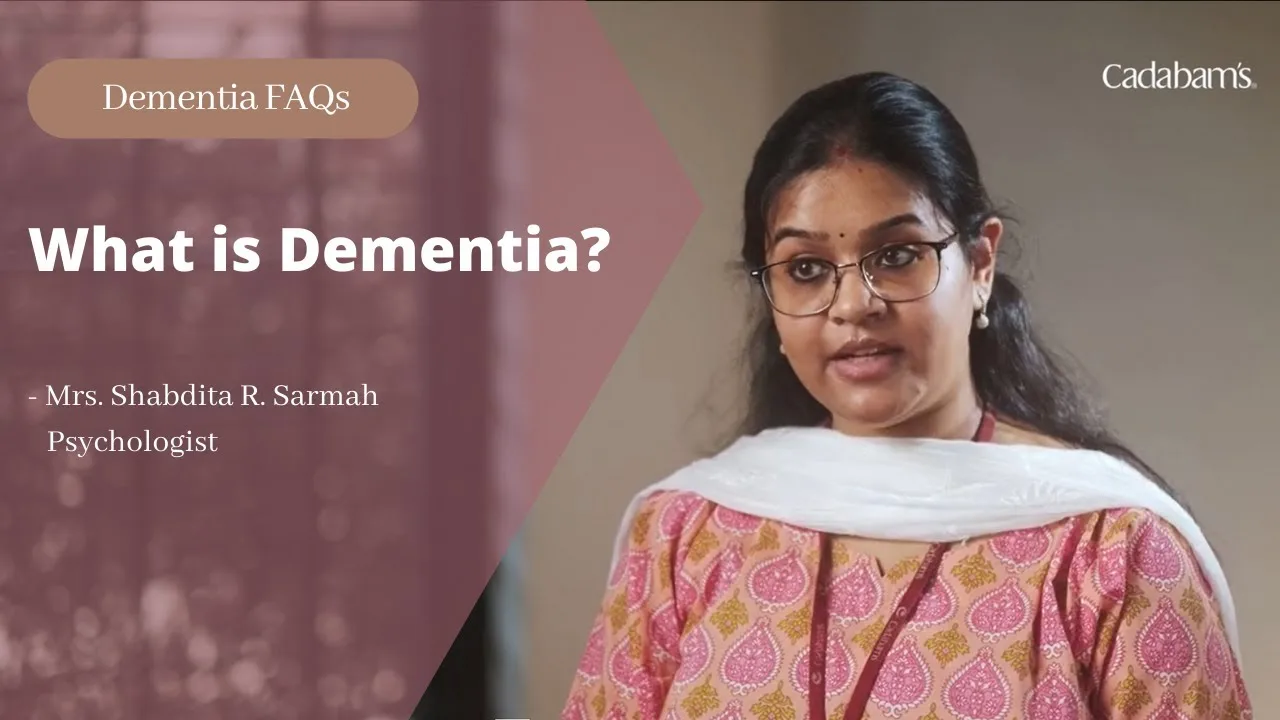
View profileDementia is a disorder that usually occurs in old age. It is characterised by a group of symptoms which include overall cognitive decline, impairment in memory, language, judgement, and behaviour. The disorder is chronic and progresses over time. Dementia is a result of damage to the brain due to a loss of neural connections and the slow destruction of cells in the brain.
The symptoms of dementia can lead to intense anxiety and paranoia in individuals with the disorder. Caregivers also experience distress while taking care of their loved one, which may take a severe toll on their wellbeing. At Cadabam’s, our multispecialty team of mental health professionals offer excellent care in geriatric psychiatry, as well as caregiver support.
What to look for
Meet the clinicians
Psychiatrist
Consultant Psychiatrist
15 years of experience
Treats: Schizophrenia, Alcohol Dependence, Bipolar Disorder, Depression, Drug Addiction, OCD, Personality Disorder, Autism Spectrum Disorder, Dementia, SLD
View profile
Psychiatrist
Consultant Psychiatrist
21 years of experience
Treats: SLD, Autism Spectrum Disorder, Dementia, Schizophrenia, Bipolar Disorder, OCD, Drug Addiction
View profile
Psychologist
Chief Clinical Executive
14 years of experience
Treats: Drug Addition, Alcohol Dependence, Schizophrenia, Bipolar Disorder, Personality Disorder, Dementia, Depression
View profile
Psychiatrist
Consultant Psychiatrist
7 years of experience
Treats: Depression, Schizophernia, Alcohol Dependence, Bipolar Disorder Drug Addiction, OCD, Personality Disorder
View profile
Psychiatrist
Consultant Psychiatrist
15 years of experience
Treats: Drug Addiction, Alcohol Dependence, Dementia, Depression, Bipolar Disorder, OCD, Personality Disorder, Schizophrenia, Autism Spectrum Disorder
View profileWhy it happens
Causes of dementia include brain cell damage from Alzheimer's disease, vascular issues, Lewy bodies, frontotemporal degeneration, and reversible conditions like vitamin deficiencies.
Dementia often stems from damage to brain cells, which affects their ability to communicate with each other, impacting cognitive functions such as memory, judgment, and movement. Conditions like Alzheimer’s disease lead to the buildup of abnormal proteins that disrupt cell function. This widespread damage can lead to significant impairment in various brain areas responsible for different functions.
Vascular dementia is caused by conditions that block or reduce blood flow to the brain, depriving brain cells of oxygen and nutrients. This can result from stroke or smaller blood vessel damage over time, leading to cumulative effects on brain function. Vascular issues can cause cognitive decline that is second in prevalence only to Alzheimer’s disease in older adults.
Many forms of dementia, such as Alzheimer’s disease, Lewy body dementia, and frontotemporal dementia, are progressive and irreversible. These conditions gradually worsen as more brain cells are affected over time. Treatment can manage symptoms but cannot stop the disease's progression, highlighting the importance of early diagnosis and intervention.
Besides the primary causes, several other factors can contribute to the development of dementia, including genetics, lifestyle, and environmental factors. For example, a history of head injuries, heavy alcohol use, and air pollution have been linked to an increased risk of dementia. Managing these risk factors can help prevent or delay the onset of dementia symptoms.
Some underlying issues may present with dementia-like symptoms, which can be reversed with appropriate treatment.

The risks of developing dementia increase with age, genetic predisposition, and lifestyle factors. Conditions like cardiovascular disease, diabetes, and obesity further elevate the risk, as do smoking, excessive alcohol consumption, and physical inactivity. A family history of dementia indicates a higher genetic likelihood of developing the condition. Head injuries and exposure to environmental pollutants can also contribute to the risk. Engaging in protective behaviors like regular exercise and a healthy diet may reduce these risks.
How it presents
Common types of dementia include Alzheimer's disease, vascular dementia, Lewy body dementia, and frontotemporal dementia.
Primary dementia types are directly related to brain cell damage.
Secondary dementia is associated with another disease or injury indirectly affecting the brain.
Rehabilitation
Rehabilitation for Dementia becomes a necessity during the moderate and severe stages. Individuals become fall risks and pose the risk of wandering off. Families also find it difficult to manage their loved ones at home as they have their own responsibilities and problems. This is when dementia care units and rehabilitation become very important. They provide trained interventions for the individual and respite from caregiving duties to the families.
“Rehabilitation for dementia is largely about keeping the elderly individuals engaged and preventing rapid deterioration of the individuals condition. There are multiple types of rehab- short-term rehab, long-term rehab and day-care facilities. The challenge is to ensure that the elderly remain engaged and their time is being effectively used,” explains Dr. Priya about rehabilitation for Dementia.
At Cadabam’s, transforming dementia care is central to fostering better lives for those affected. Through personalized treatment plans, rehab programs, innovative therapies, and a holistic approach, Cadabam’s ensures comprehensive support for individuals and their families. Emphasizing dignity and respect, the center integrates medical, psychological, counselling and social interventions to address the unique challenges of dementia. Cadabam’s commitment to advanced care and rehabilitation empowers individuals to navigate their journey with confidence and improved well-being.
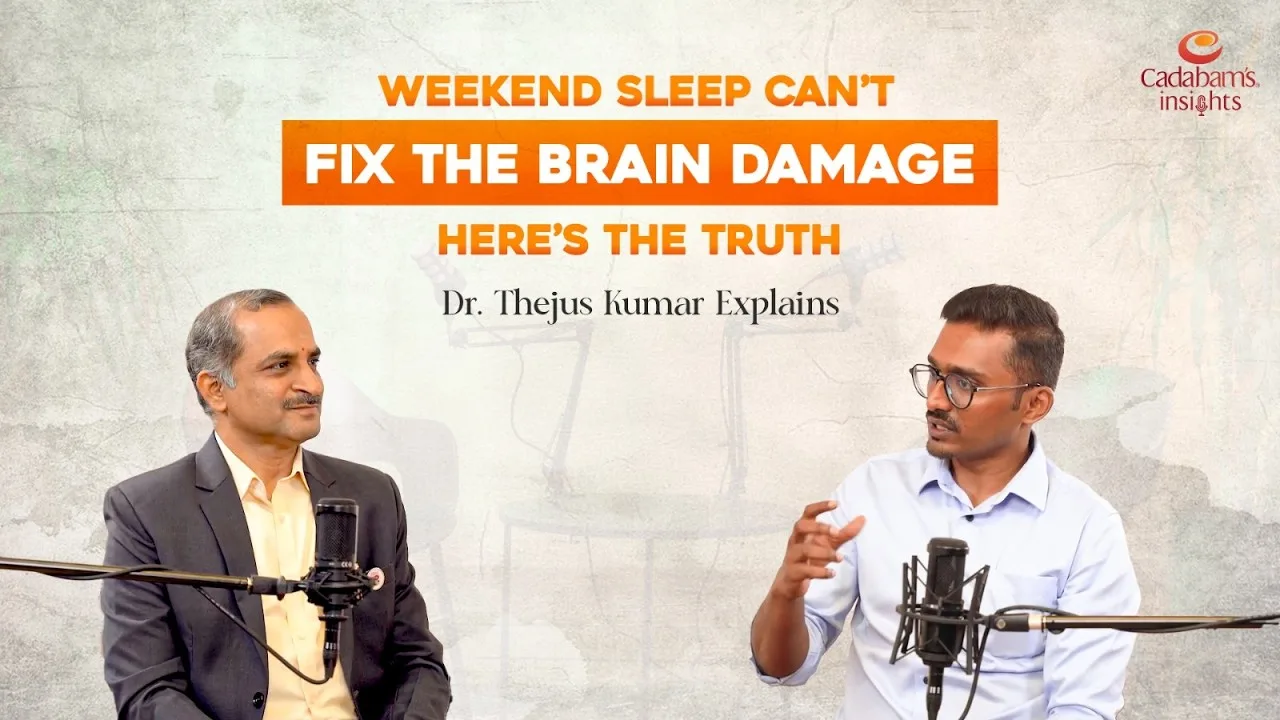
Podcast & video
Our centres

Our Specialised De-Addiction Centre in Bangalore
Read more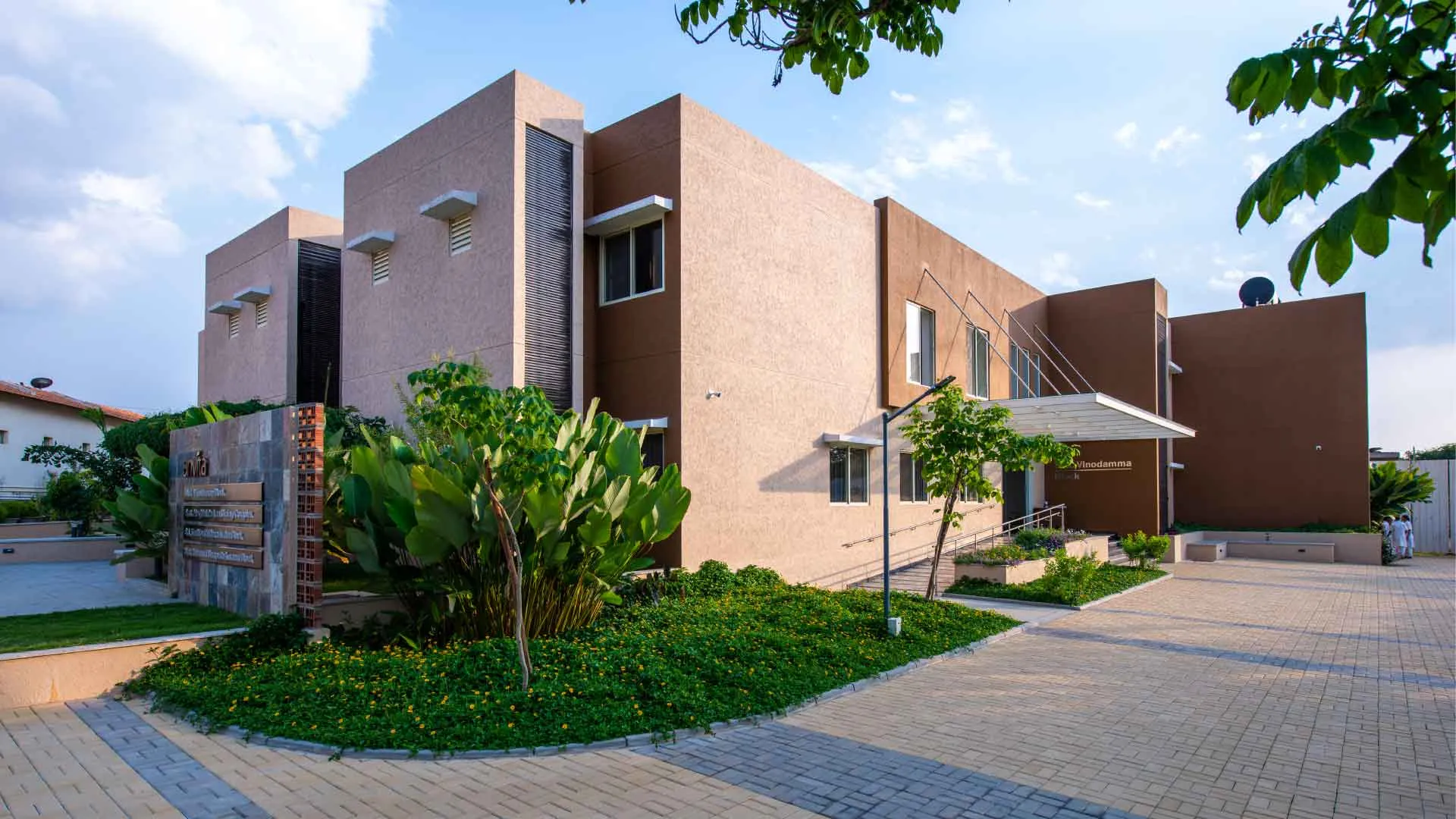
Long-Term Rehabilitation Center in Bangalore, India
Read more
Advanced Psychiatric Rehab Centre in Bangalore
Read more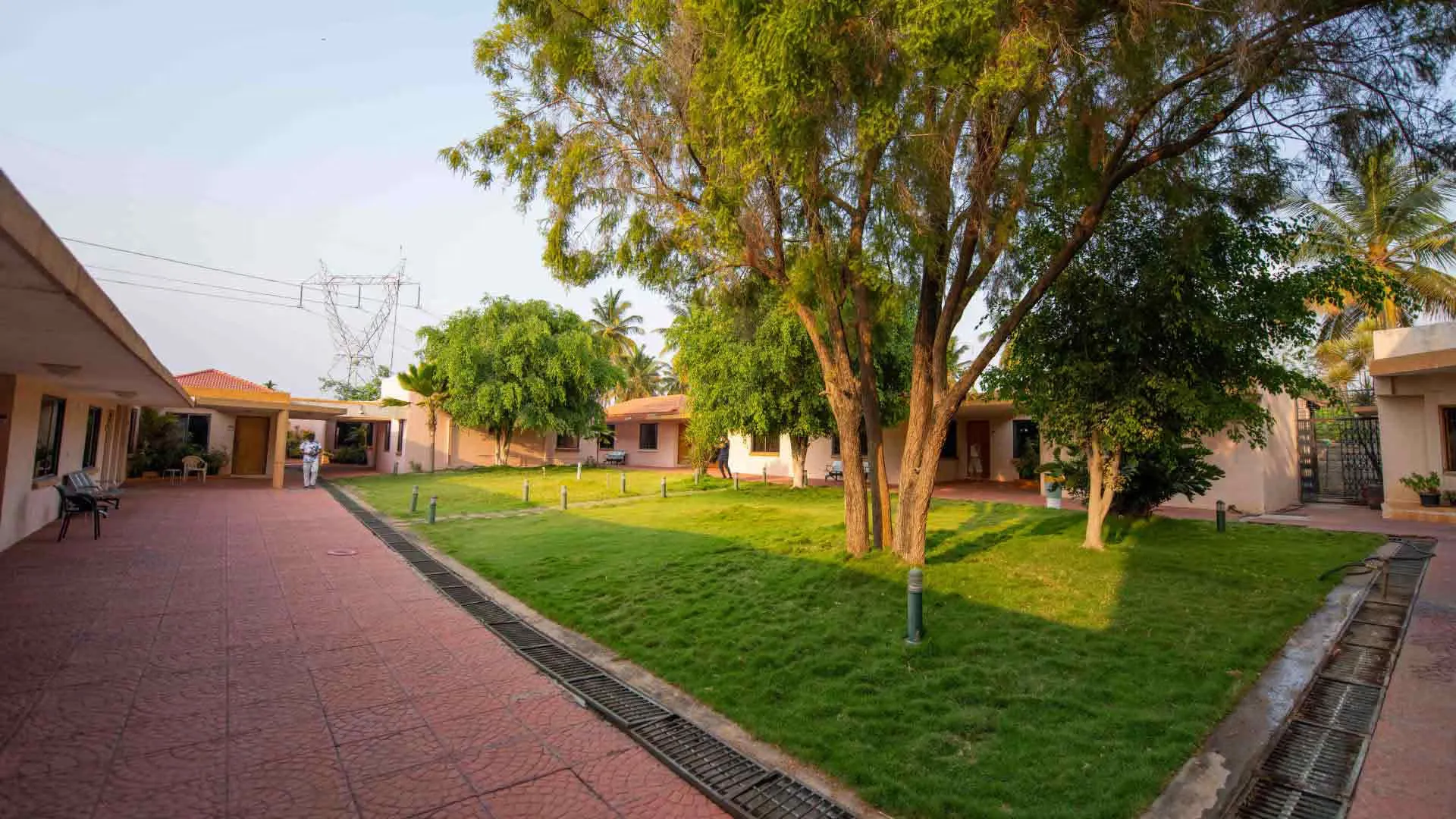
Luxury Rehabilitation Center in Bangalore, India
Read more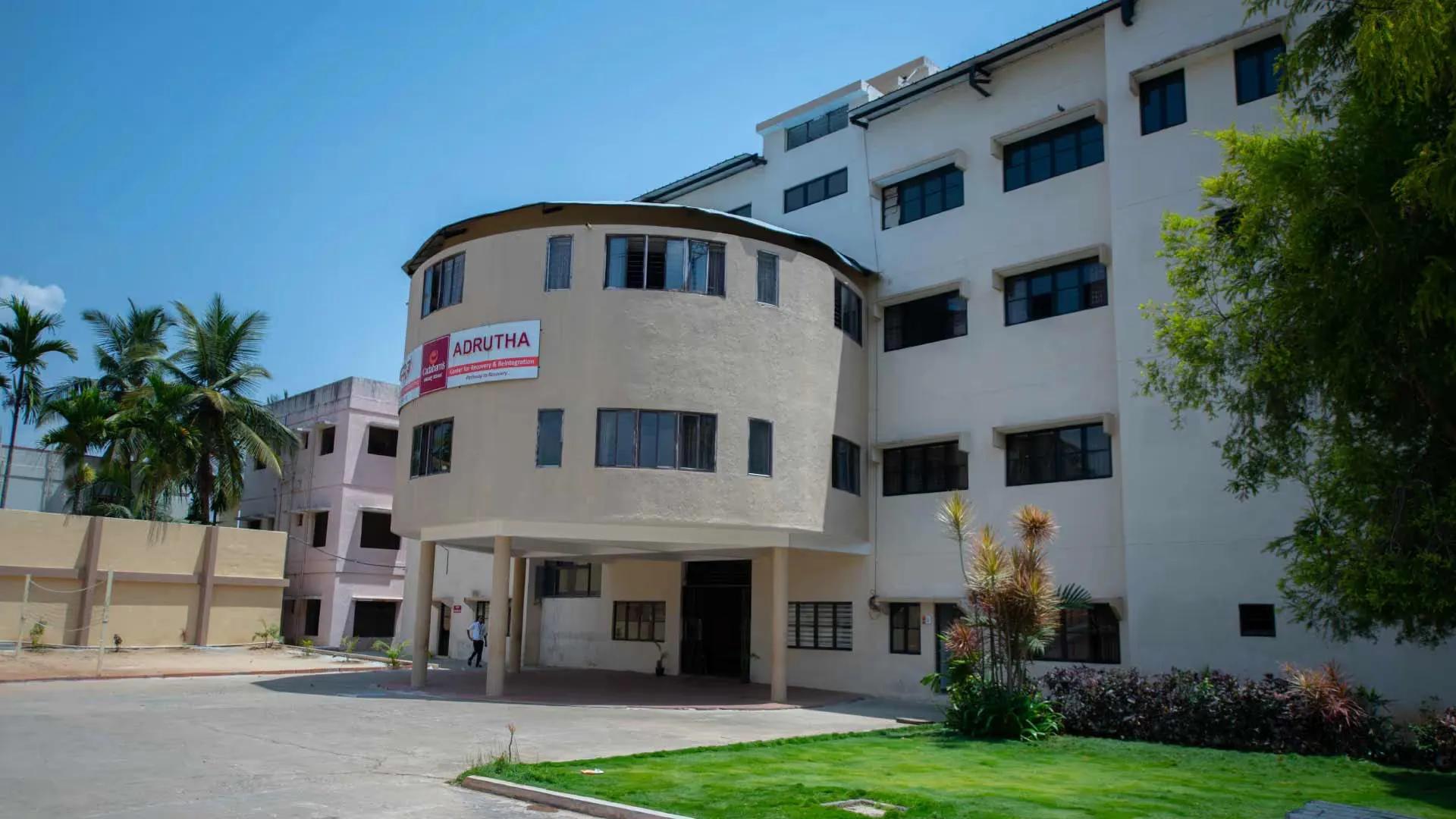
Our Affordable Rehab Centre in Bangalore
Read more
Our Advanced Mental Health Rehab Centre In Hyderabad
Read more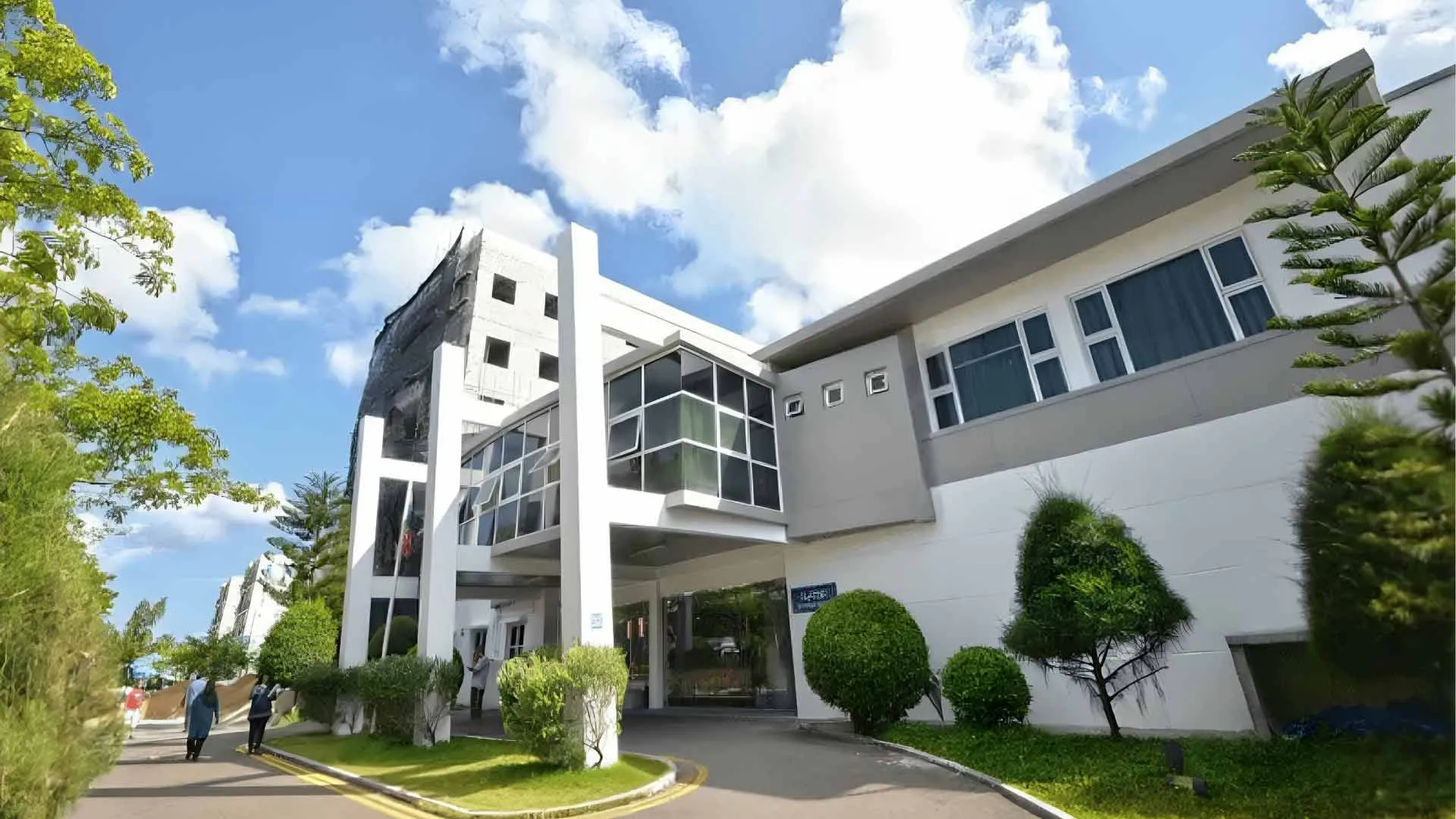
Premier Mental Health & Rehabilitation Centre in Maldives
Read moreDiagnosis
To accurately diagnose dementia, it's essential to distinguish it from other psychiatric conditions that share similar symptoms. Additionally, a comprehensive assessment is crucial because the disease progresses through various stages.
The diagnostic process for dementia includes:
Preventing dementia and reducing risk involves lifestyle modifications and managing health conditions. Physical activity, a healthy diet, cognitive stimulation, and social engagement can reduce risk. Controlling hypertension, diabetes, and cholesterol, along with avoiding smoking and excessive alcohol consumption, is crucial. Additionally, wearing protective gear during activities to prevent head injuries can contribute to dementia risk reduction.
Good to know
Consulting a doctor is advisable when persistent memory problems, difficulty with daily tasks, changes in mood or behavior, and trouble with language or visual perception are noticed. These symptoms may indicate dementia or other treatable conditions. Early diagnosis allows for the management of symptoms and planning for the future. It's also important for individuals with a family history of dementia to discuss preventive measures with their healthcare provider.
How we help
An early diagnosis of dementia can make it easier to manage symptoms of dementia. Its treatment requires specific symptoms such as memory loss, language, problem-solving, etc. to be treated individually. Though there is no cure for Dementia, Cadabam’s is the best center for dementia treatment, where we strive to improve the functioning of the brain and memory.
There are primarily two types of dementia treatment available to manage symptoms of dementia. These include medication and occupational therapy.
Several types of medication are used to help increase levels of neurotransmitters in the brain that may slow down the effects of dementia. An example of this is Cholinesterase Inhibitors which help to delay the worsening of Alzheimer’s symptoms, and thus of dementia as well.
It is important to note that medication should only be prescribed by a psychiatrist and that side effects should be taken into consideration before medicating.
Occupational Therapy is an effective way to manage dementia symptoms. It helps the individual to regain functionality with the guided help of caregivers. This therapy aims to help the patient understand how to do daily tasks such as bathing, dressing or eating properly.
Along with medication and therapy, it is also suggested that the individual follows a healthy meal plan with dietary supplements and herbal remedies. Vitamin B9, B12 and Vitamin E are also suggested to potentially delay the onset of dementia.
At Cadabam’s, we realise that the family members of the individual with dementia may also go through distress. Hence, our treatment modalities include family therapy and caregiver support to ensure that your emotional wellbeing is maintained while you take care of your loved one.
Emergency service
Find nearest mental health center now

33+ years of focused mental healthcare, shaped by 1000+ real patient journeys.

State of the art mental health centres built for treatment and recovery.

A coordinated team of psychiatrists, psychologists, counsellors, and rehabilitation specialists supporting your care.

Support from early signs through treatment and recovery.

Treatment guided by clear plans that continue beyond diagnosis.

Planned follow ups and continued guidance to help maintain progress over time.
Inside our centres
FAQs
Patient journeys
Voices of Resilience
Paranoid Schizophrenia - Seeta's Story
Depression due to Abortion and Paranoid Schizophrenia
Read story →Voices of Resilience
Comorbid Disorders - Akash's Story
OCD, Bipolar and Substance Abuse Disoder along with Tic Disorder
Read story →Voices of Resilience
Bipolar Affective Disoder - Meena's Story
Depression, Bipolar Affective Disorder, and Obsessive Compulsive Disorder
Read story →Voices of Resilience
Borderline Personality Disorder - Sumadhra's Story
Emotionally Unstable with Borderline Personality Disorder
Read story →Watch & learn
Voices of recovery
My father was fighting dementia, and it was difficult to manage it at home. We searched for support for him, and we found Cadabam’s. They helped us immensely, they cared for him, and he seems so happy there. Thank you Cadabam’s.
— Mahantesh G
My father started facing severe memory problems. We understood that he was suffering from dementia after a few consultations with a psychiatrist. Rehabilitation at Cadabam’s has helped him so much. He is able to take care of himself and he is able to enjoy life. Thank you Cadabam’s.
— Veeresh A S
I would like to thank Cadabam’s for their care and treatment procedures. My mother was suffering from Dementia, and I was so scared to leave her at a rehabilitation centre. But, I see her so happy now, and she is still so functional. Thank you, thats all I want to say.
— Farah Sharma
My wife of 35 years started forgetting everyday things, and that was when we realized something was amiss. We received a diagnosis of dementia. It felt like the world was falling apart for me. But, the Cadabam’s team have done such a good job of caring for her that I feel so much more peaceful now. I can see her happy, and I know that she is cared for.
— Arvind Subramanian
Further reading

Care pathways
Psychiatrist care for Dementia with personalised assessment, treatment planning, and ongoing support from experienced specialists.
Learn morePsychologist care for Dementia with personalised assessment, treatment planning, and ongoing support from experienced specialists.
Learn moreTherapist care for Dementia with personalised assessment, treatment planning, and ongoing support from experienced specialists.
Learn moreLooking for the best counselor for Dementia in Bangalore? Get expert consultation, symptom management, and confidential clinical care.
Learn moreCounselor care for Dementia with personalised assessment, treatment planning, and ongoing support from experienced specialists.
Learn moreRehabilitation for Dementia designed to support stability, independence, and sustained recovery through evidence-based mental healthcare.
Learn moreDementia rehabilitation in Bangalore with medication support, therapy, and personalised recovery plans. Trusted mental healthcare at Cadabam’s.
Learn moreSpecialised treatment center for Dementia offering psychiatric consultation, diagnosis, medication management, and therapy for long-term symptom stability.
Learn moreSpecialised Dementia treatment center in Bangalore offering psychiatric diagnosis, medication management, and therapy to support long-term symptom stability.
Learn moreGet expert dementia treatment centre in Hyderabad at Cadabam’s. Our centre provides therapies, medical care, and personalized programs.
Learn moreDiscover expert dementia management in Bangalore with dedicated professional support. Explore effective care options and read the blog for guidance.
Learn moreCadabam’s offers effective Dementia treatment in Hyderabad. Our facilities are focused on giving you a home-like environment.
Learn moreComprehensive rehabilitation programs for Dementia with personalised treatment plans, therapy, and long-term aftercare support.
Learn moreHelpline at your fingertips
+91 9611194949