Psychiatrist
Dr. Vishal Kasal
Consultant Psychiatrist
15 years of experience
Treats: Drug Addiction, Alcohol Dependence, Dementia, Depression, Bipolar Disorder, OCD, Personality Disorder, Schizophrenia, Autism Spectrum Disorder
View profileDepression is a common but serious mental health condition that impacts how you feel, think, and handle daily activities. It can affect your emotions, behaviour, and overall functioning, making it difficult to navigate work, school, and relationships. If you or a loved one are seeking professional help, this page provides essential information on finding the right counselor for consultation and clinical care for depression. At Cadabam’s, we offer access to trusted mental healthcare specialists dedicated to your well-being.
Good to know
Yes, depression can be effectively managed with professional counselor care. A qualified counselor is trained to assess your symptoms and, in many cases, provide a diagnosis. They specialise in creating personalised treatment plans that focus on therapeutic interventions and ongoing support.
While counselors do not claim to "cure" depression, their expertise is crucial in helping individuals manage symptoms, develop coping mechanisms, and work towards long-term recovery and improved mental health.

Meet the clinicians
Psychiatrist
Consultant Psychiatrist
15 years of experience
Treats: Drug Addiction, Alcohol Dependence, Dementia, Depression, Bipolar Disorder, OCD, Personality Disorder, Schizophrenia, Autism Spectrum Disorder
View profile
Psychologist
Consultant Clinical Psychologist
9 years of experience
Treats: Bipolar Disorder, Dementia, Depression, OCD, Personality Disorder, Schizophrenia, SLD, Autism Spectrum Disorder
View profile
Psychiatrist
Consultant Psychiatrist
3 years of experience
View profile
Psychiatrist
Consultant Psychiatrist
5 years of experience
Treats: Schizophrenia,Personality Disorder,Bipolar,OCD,Dementia,Alzheimer's,Addiction (General),ADHD,Autism,Drug Addiction,Alcohol Addiction,Geriatric Cases,Adult Cases,Adolescent Cases,Child Cases (7-12 years),Anxiety,Depression,Stress,Relationship Issue,Family Issues,Queer Affirmative,Abuse/Trauma
View profile
Psychiatrist
Child Psychiatrist
4 years of experience
Treats: Schizophrenia ,OCD, Anxiety, Depression, Personality-Disorder, Bipolar-Disorder, Learning-Disability, Drug-Addiction, Alcohol-Addiction, Autism, Addiction
View profile
33+ years of focused mental healthcare, shaped by 1000+ real patient journeys.

State of the art mental health centres built for treatment and recovery.

A coordinated team of psychiatrists, psychologists, counsellors, and rehabilitation specialists supporting your care.

Support from early signs through treatment and recovery.

Treatment guided by clear plans that continue beyond diagnosis.

Planned follow ups and continued guidance to help maintain progress over time.
Good to know
An experienced counselor for depression plays a multifaceted role in the treatment process. They begin by conducting a thorough assessment to understand the specific nature of your symptoms and how they affect your life. Based on this evaluation, they create a structured treatment plan tailored to your needs.
This plan often includes evidence-based psychotherapies like Cognitive Behavioral Therapy (CBT) or interpersonal therapy. The counselor acts as a guide, delivering these interventions, helping you track progress, and providing consistent support throughout your recovery journey.
Good to know
It's time to consult with a counselor for depression if you or a family member notice persistent or worsening red flags. Seeking professional help is a sign of strength and is crucial for effective management. Key indicators include:
If you are experiencing thoughts of self-harm, please seek immediate help. Call us at +91 9611194949 .
Good to know
Clinical care by counselors for depression begins with a comprehensive assessment to form an accurate understanding of your condition. This process typically involves several methods:
Our centres

Long-Term Rehabilitation Center in Bangalore, India
Read more
Advanced Psychiatric Rehab Centre in Bangalore
Read more
Our Affordable Rehab Centre in Bangalore
Read more
Our Specialised De-Addiction Centre in Bangalore
Read more
Premier Mental Health & Rehabilitation Centre in Maldives
Read moreGood to know
Counselor-led care for depression primarily revolves around psychotherapy, also known as talk therapy. These interventions are designed to help you understand your thoughts, feelings, and behaviours. Your counselor will work with you to determine the most effective approach, which may include one or more of the following specialised treatments.
While most counselors provide therapy and do not prescribe medication, they often work in close collaboration with psychiatrists. If your counselor believes medication could be a beneficial part of your treatment, they will refer you to a psychiatrist. Psychiatrists are medical doctors who can prescribe antidepressants to help manage symptoms. This collaborative approach ensures you receive comprehensive care, with the counselor focusing on therapy and the psychiatrist overseeing medical treatment and follow-ups.
A key part of the clinical care provided by counselors for depression is helping you manage acute symptoms and potential risks. Your counselor will equip you with practical coping strategies to handle moments of intense sadness, anxiety, or hopelessness. They will also work with you to create a safety plan if there are any risks of self-harm. If your condition requires a higher level of care, such as inpatient treatment, your counselor will facilitate a timely and appropriate referral.
Depression often appears alongside other mental or behavioural health issues, such as anxiety disorders, PTSD, or substance use disorders. Experienced counselors for depression are trained to identify and address these co-occurring conditions simultaneously. An integrated treatment plan that targets both depression and any associated conditions is crucial for achieving better, more sustainable overall outcomes and improving your quality of life.
Inside our centres
Good to know
Your first consultation with a counselor for depression is a confidential and collaborative first step toward recovery. To reduce any anxiety, here is what you can typically expect:
1. Warm Welcome & Discussion: You'll be invited to share your concerns and reasons for seeking help in a safe, non-judgmental space.
2. Comprehensive Assessment: The counselor will ask questions about your symptoms, health history, and life circumstances to get a full picture.
3. Collaborative Treatment Planning: You will work together to outline initial goals and discuss potential therapeutic approaches.
4. Confidentiality Assurance: The counselor will explain their commitment to privacy and ethical standards.
5. Next Steps: You will decide on the frequency of future sessions and schedule your next appointment.
Good to know
The frequency of your visits to a counselor for depression depends on your individual needs. Initially, it is common to have sessions once a week to build momentum and establish a strong therapeutic relationship. As you make progress and your symptoms become more manageable, the frequency may decrease to bi-weekly or monthly sessions. Your counselor will work with you to determine a schedule that best supports your treatment phase and long-term stability.
Good to know
The cost of consulting a counselor for depression can vary. Factors that influence the cost include the type of consultation (initial assessment vs. follow-up session), the duration of the appointment, and the overall complexity of the care required. At Cadabam’s, we are committed to transparency in our pricing. For detailed information on consultation fees and treatment packages, we encourage you to contact our team directly.
Good to know
At Cadabam’s, your privacy and well-being are our highest priorities. Our counselors adhere to strict ethical codes and legal standards of confidentiality. Everything you discuss during your sessions is kept private. We are dedicated to providing a respectful, compassionate, and non-judgmental environment where you can feel safe to explore your concerns openly.
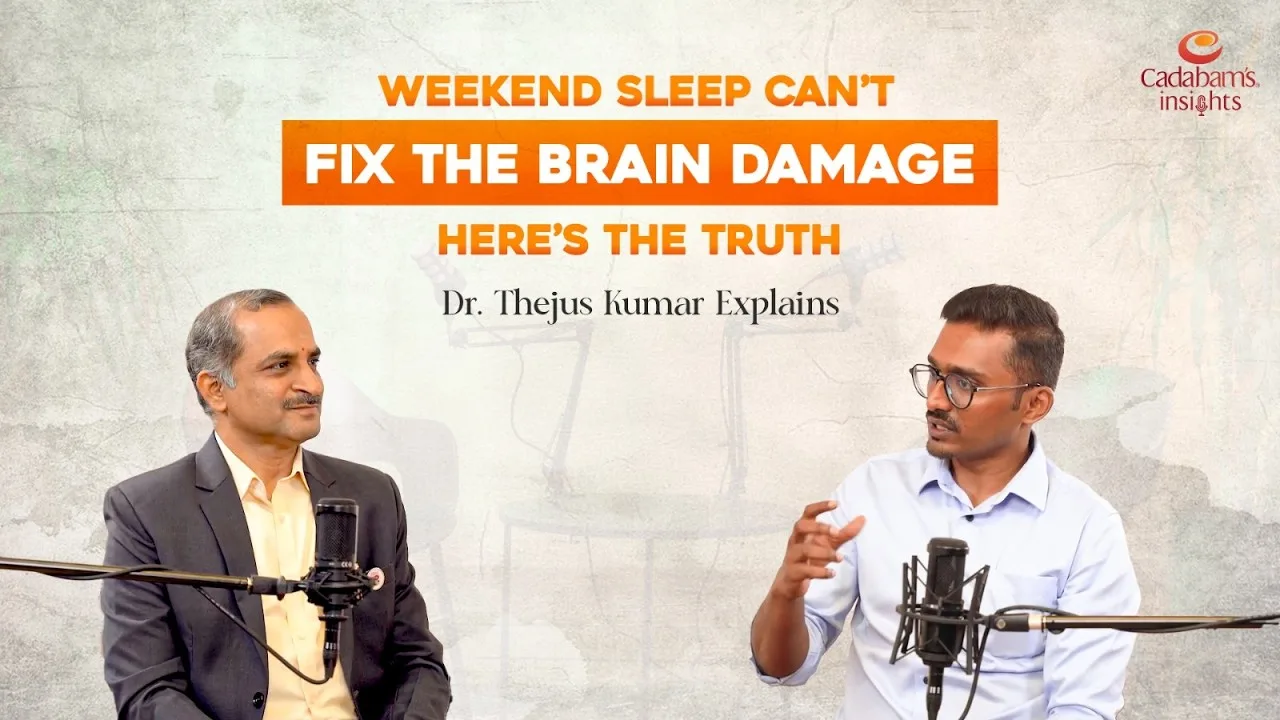
Podcast & video
FAQs
Voices of recovery
Depression is such a difficult situation to face. My family was so supportive through my recovery journey. But, I must give special credit to the team at Cadabam’s, who took such good care of me at their rehabilitation centre. Thank you for helping me return to my life.
— James Verghese
My daughter was suffering from Depression. She had tried to hurt herself as well. The entire family was scared. The staff and doctors at Cadabam’s were so understanding. They really seemed to care about our daughter, and we felt a little peaceful after she began rehab at Cadabam’s. She is slowly but surely making significant recovery and we couldn't be happier.
— Bharat Bhargav
I never thought depression could happen to me. I always thought of myself as a happy person. But, slowly I started noticing the changes. I was no longer finding joy in life and most of my time would be spent having really dark thoughts. It got so bad that I had to choose rehabilitation. Rehabilitation at Cadabam’s was so effective. It helped me recover and gave me the confidence that I could fight the dark thoughts if they ever returned. Thank you so much Cadabam’s!
— Devika Sharma
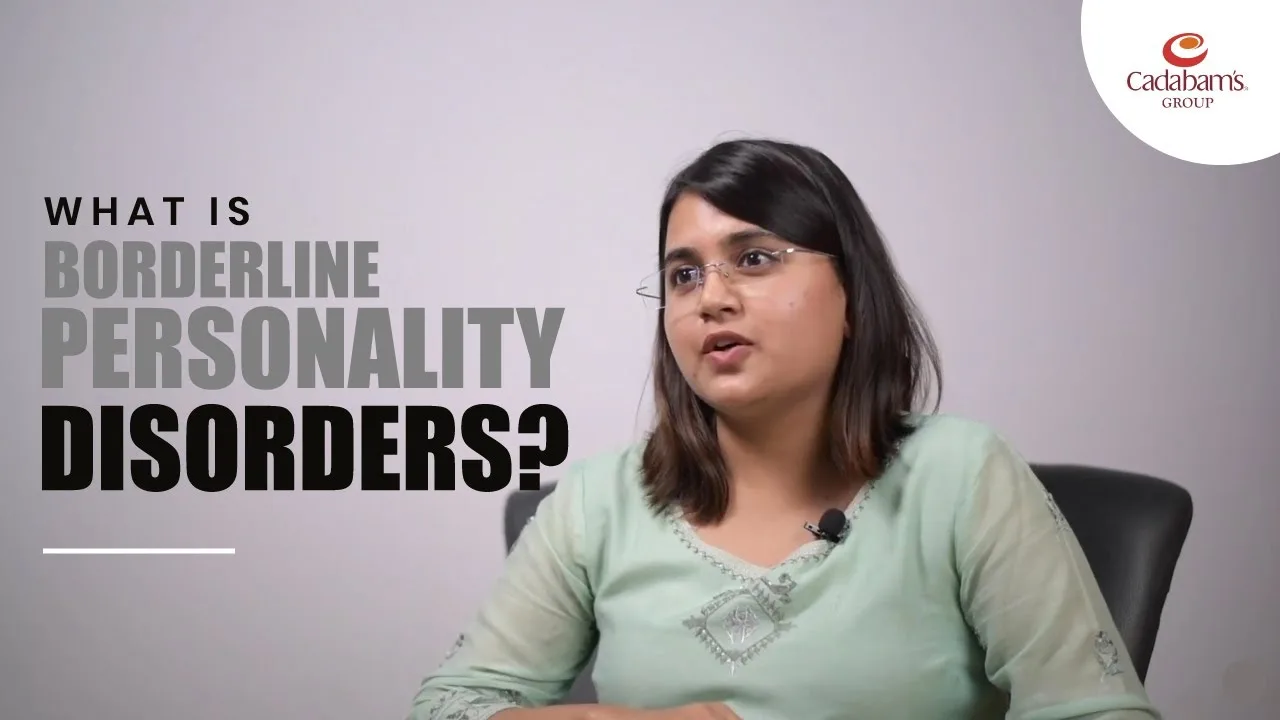
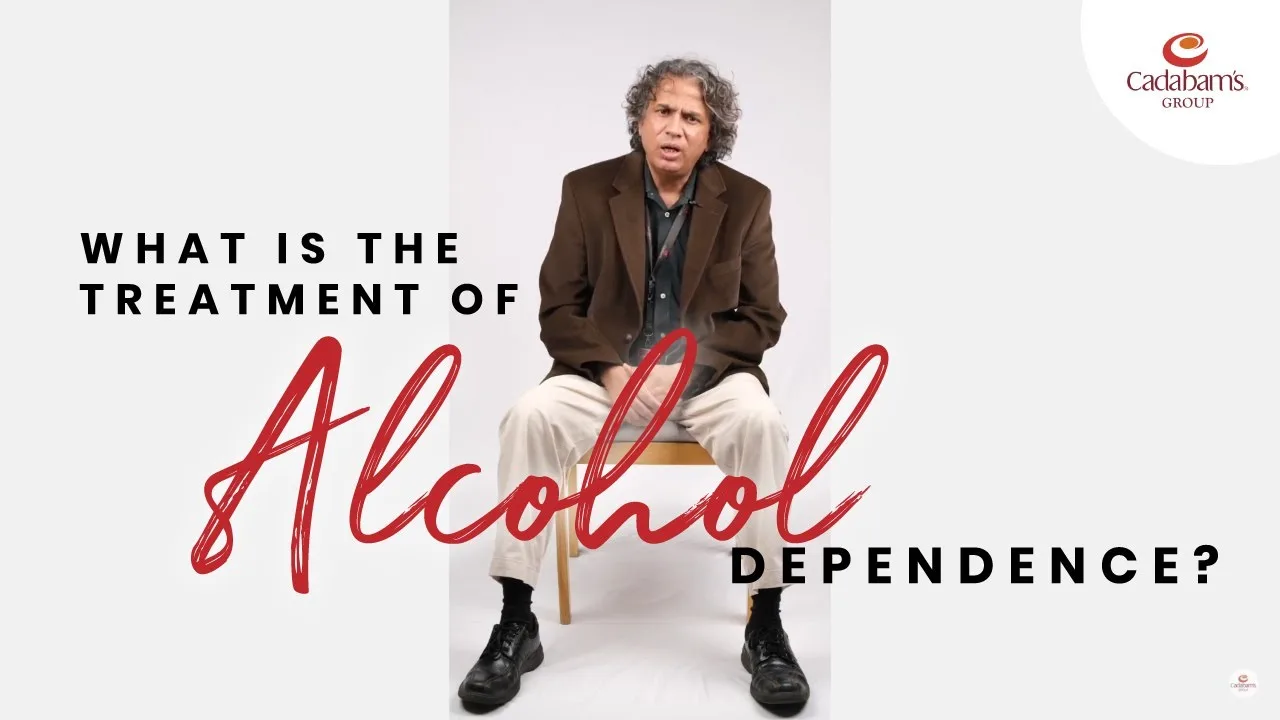
Watch & learn
Further reading
Helpline at your fingertips
+91 96111 94949