Psychiatrist
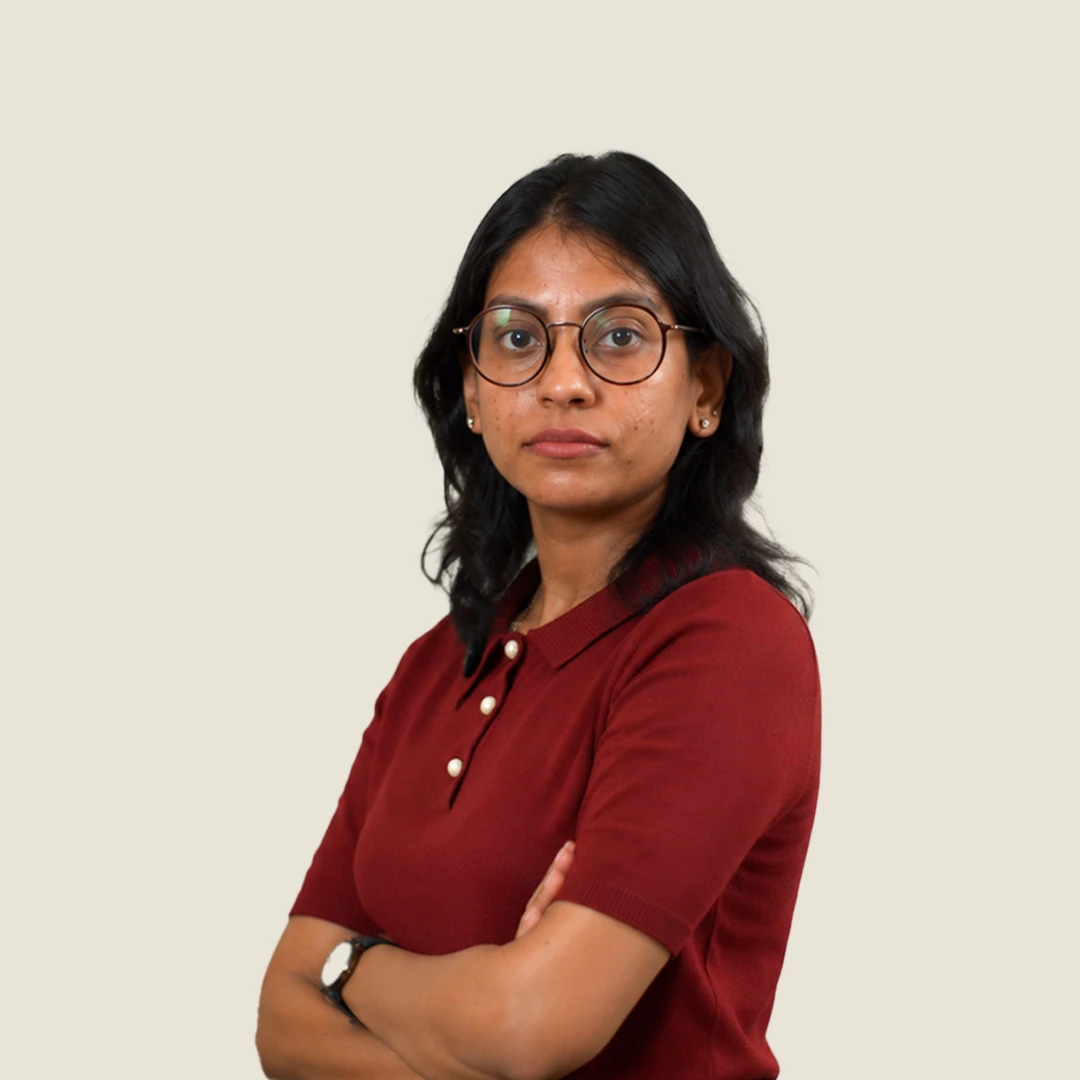
Dr. Nishmita T J
Psychiatrist
5 years of experience
Treats: Addiction, Anxiety, Dementia, OCD, Conduct-Disorder, Personality-Disorder
View profileManaging Bipolar Disorder requires more than just medication; it demands a structured, comprehensive approach to achieve long-term stability and well-being. Rehabilitation programs for Bipolar Disorder are long-term care pathways meticulously designed to support individuals on their recovery journey. These programs focus on stabilising symptoms, improving daily functioning, and enhancing overall quality of life. This guide is for individuals, families, and caregivers exploring structured, program-based care to manage Bipolar Disorder effectively. At Cadabam’s, we leverage decades of experience to provide compassionate and evidence-based rehabilitation that fosters lasting recovery.
Good to know
Bipolar Disorder rehabilitation programs are holistic, residential treatment plans that offer a level of care far beyond routine outpatient consultations or brief hospital stays. Unlike short-term interventions, these programs provide a structured, therapeutic environment over an extended period.
This comprehensive approach is essential for achieving sustained recovery, developing effective coping strategies to prevent relapse, and rebuilding the skills necessary for independent daily functioning. The goal is to address the multifaceted nature of the condition, from managing mood swings to reintegrating into social and professional life.
Meet the clinicians
Psychiatrist
Psychiatrist
5 years of experience
Treats: Addiction, Anxiety, Dementia, OCD, Conduct-Disorder, Personality-Disorder
View profile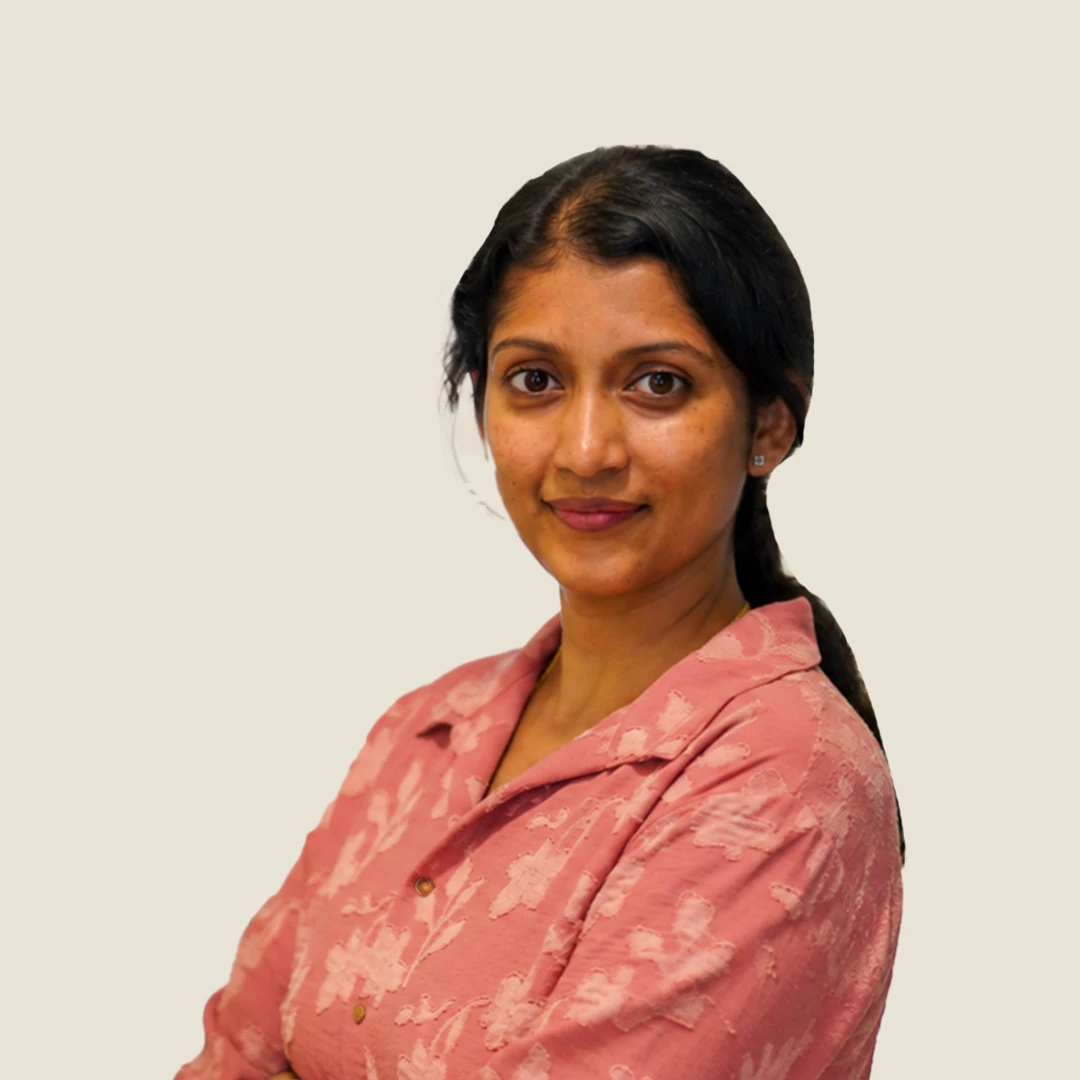
Psychiatrist
Psychiatrist
7 years of experience
Treats: Anxiety, Dementia, OCD, Psychosis, Personality-Disorder, Eating-Disorder, Autism
View profile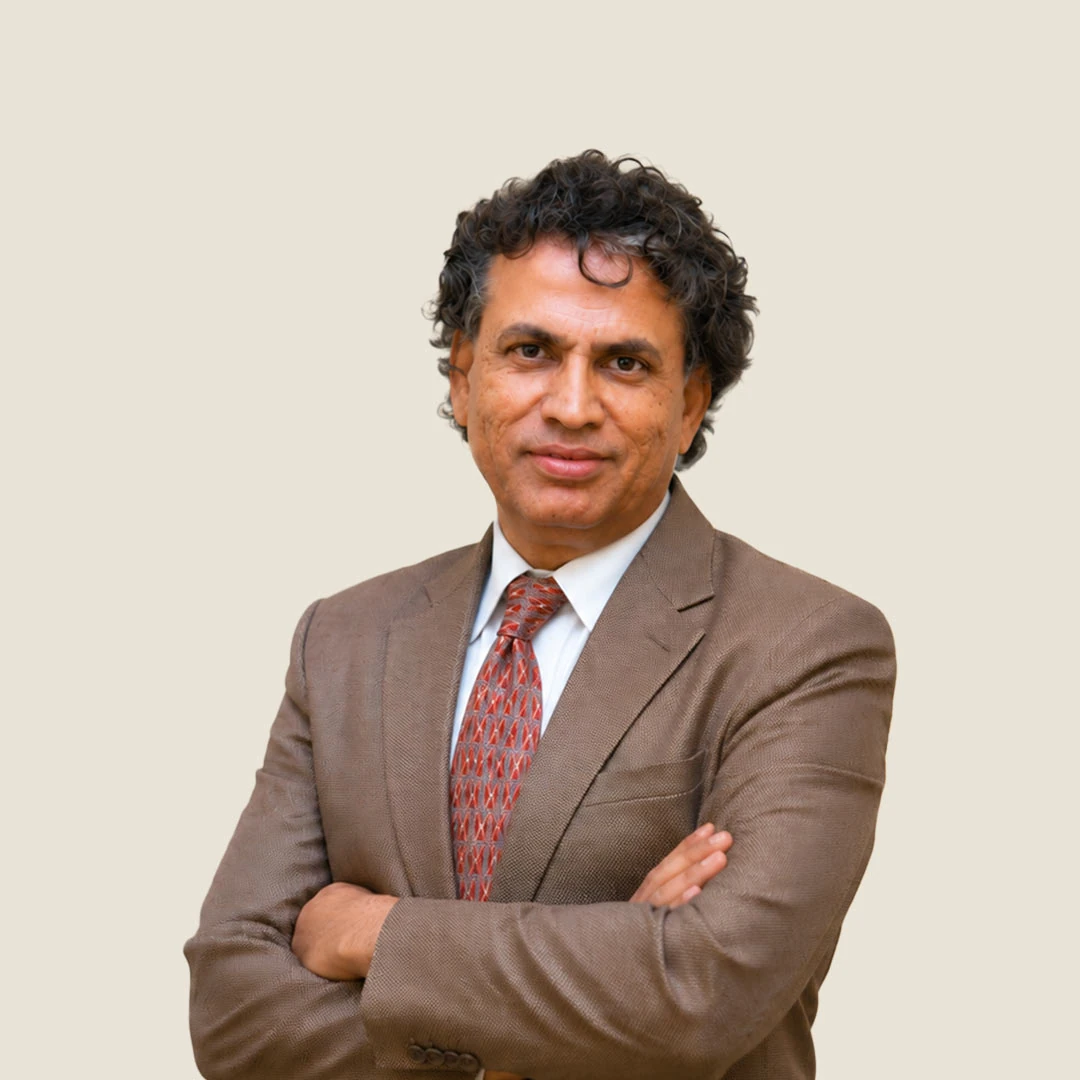
Psychiatrist
Medical Director
25 years of experience
Treats: Alcohol Dependence, Bipolar Disorder, Dementia, Schizophrenia, Drug Addiction, Personality Disorder, OCD
View profile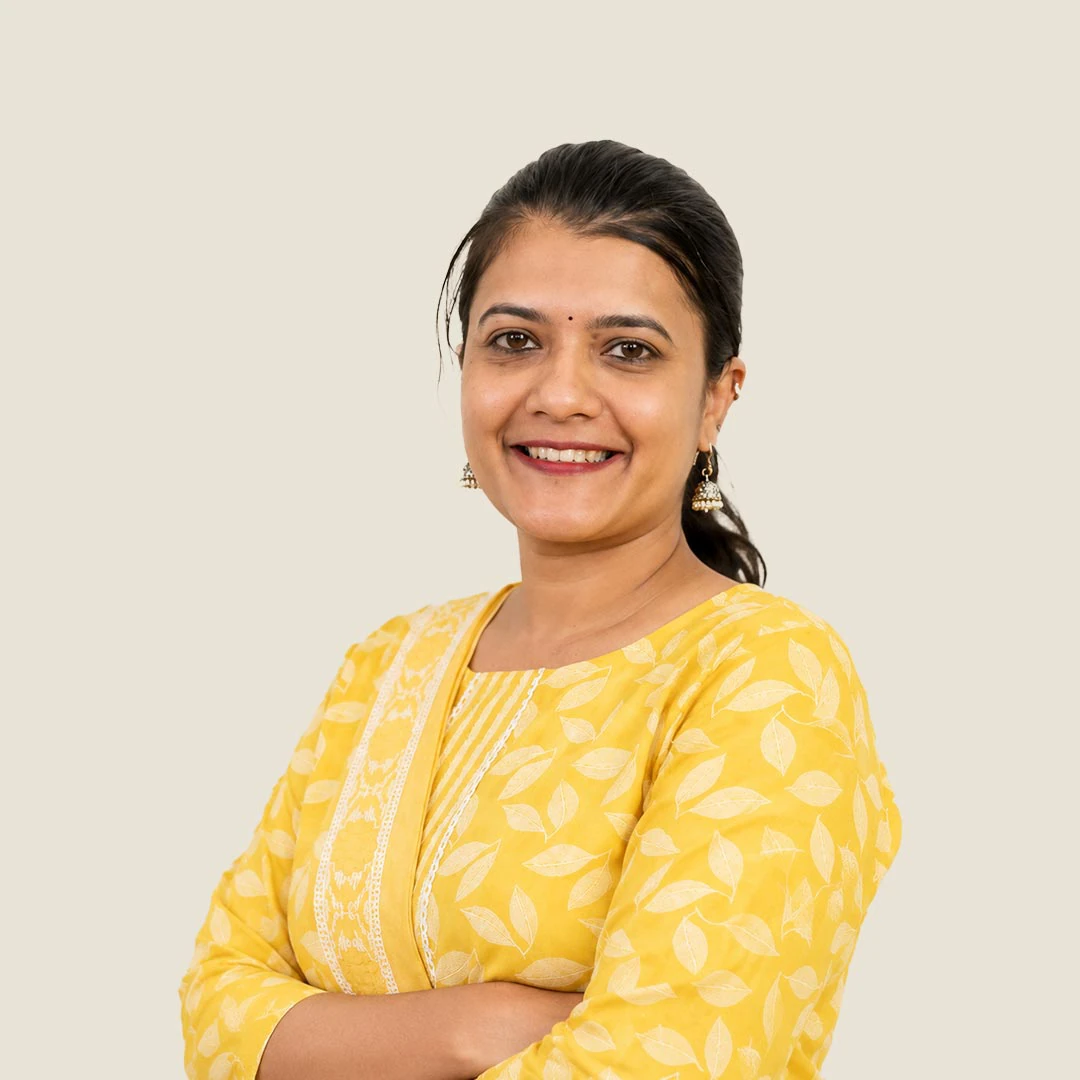
Psychologist
Consultant Clinical Psychologist
5 years of experience
Treats: Depression, Autism Spectrum Disorder, Alcohol Dependence, Drug Addiction, Personality Disorder, SLD, OCD
View profile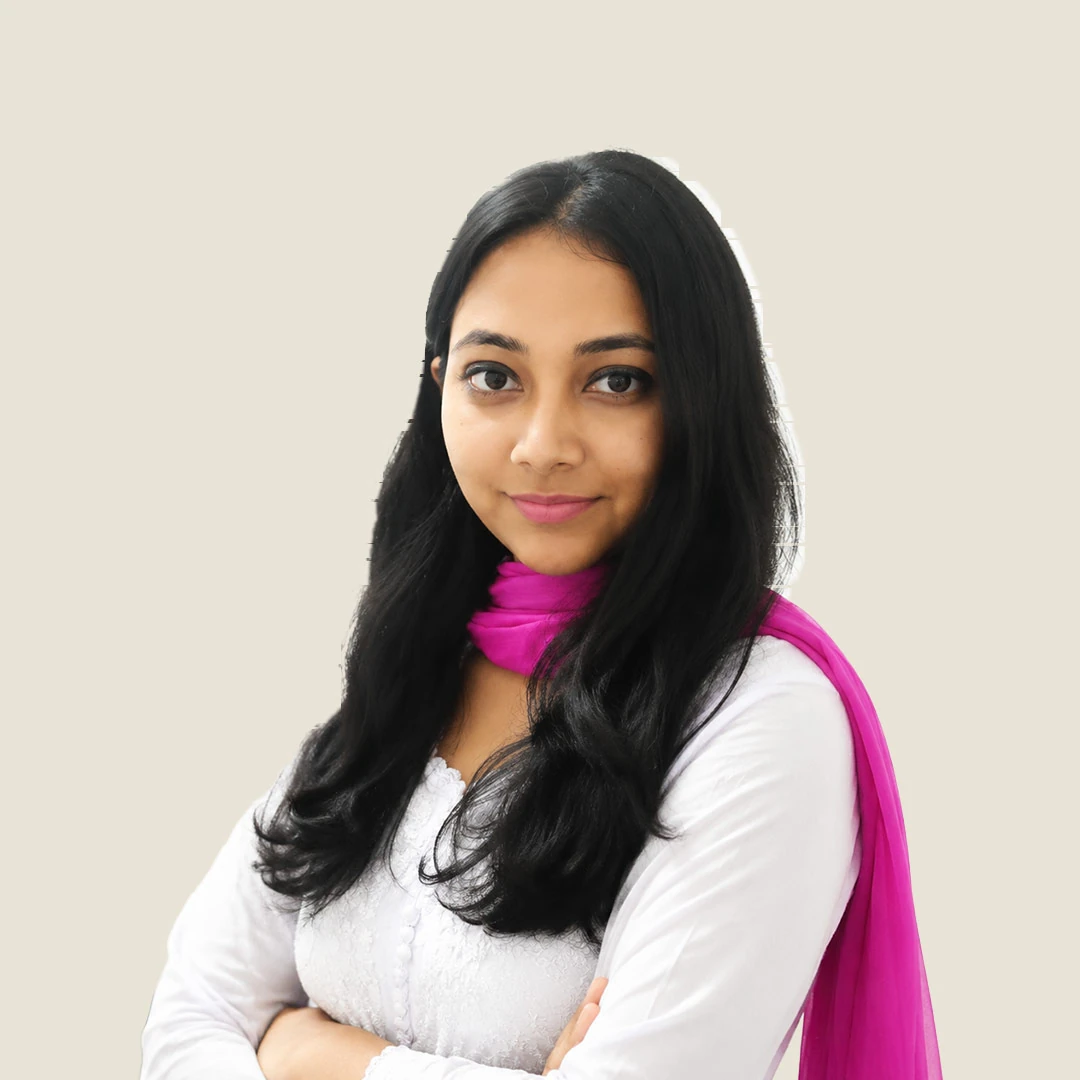
Psychologist
Clinical Psychologist
8 years of experience
Treats: Depression, Bipolar Disorder, Alcohol Dependence, Drug Addiction, Personality Disorder
View profileGood to know
Cadabam’s has been a pioneer in mental healthcare for over 33 years, offering specialised care for Bipolar Disorder. Our philosophy is rooted in personalised, outcomes-focused rehabilitation. We bring together a multidisciplinary team of psychiatrists, psychologists, counsellors, and occupational therapists to design and execute your recovery plan.
Our commitment to continuity of care ensures you receive seamless support as you transition from intensive rehabilitation to long-term management, empowering you at every stage of your journey.

33+ years of focused mental healthcare, shaped by 1000+ real patient journeys.

State of the art mental health centres built for treatment and recovery.

A coordinated team of psychiatrists, psychologists, counsellors, and rehabilitation specialists supporting your care.

Support from early signs through treatment and recovery.

Treatment guided by clear plans that continue beyond diagnosis.

Planned follow ups and continued guidance to help maintain progress over time.
Good to know
Rehabilitation programs are particularly beneficial for individuals facing significant challenges in managing their condition. Consider a program if you or a loved one experiences:
These programs provide the intensive support needed to break cycles of instability and build a foundation for a healthier future.
How it presents
Recognising that recovery is not one-size-fits-all, Cadabam’s offers multiple program formats tailored to different stages and severities of Bipolar Disorder. Each program is designed to meet specific needs, ensuring that every individual receives the most appropriate and effective level of care.
The short-term program is focused on immediate stabilisation and crisis recovery. Its primary goals are to reduce acute symptoms, establish medication adherence, and help individuals rebuild fundamental daily routines in a safe, supervised environment.
It serves as a crucial step for those recovering from a severe mood episode, providing the intensive support needed to regain stability. The duration is flexible and determined by individual progress and clinical needs.
Designed for those needing more sustained support, the long-term program focuses on deep-rooted recovery and functional independence. It goes beyond symptom management to include life-skills training, vocational support, relapse prevention strategies, and social reintegration.
This program is ideal for individuals with chronic Bipolar Disorder or treatment-resistant cases, offering the time and tools necessary to build a resilient, fulfilling life and achieve lasting wellness.
Many individuals with Bipolar Disorder also struggle with a co-occurring substance use disorder. Our dual diagnosis program provides integrated care that addresses both conditions simultaneously.
A coordinated team of psychiatric and addiction specialists works together to treat the complex interplay between mood instability and substance abuse. This holistic approach is critical for preventing relapse and achieving comprehensive recovery, as one condition often complicates the other.
Regaining the ability to work and maintain occupational functioning is a vital part of recovery. This specialised program focuses on vocational rehabilitation. Through skill training, structured work exposure in a supportive setting, and confidence-building exercises, we help individuals prepare for re-entry into the workforce.
The program empowers participants to regain financial independence, purpose, and a sense of normalcy, which are key components of a well-rounded recovery.
Our centres
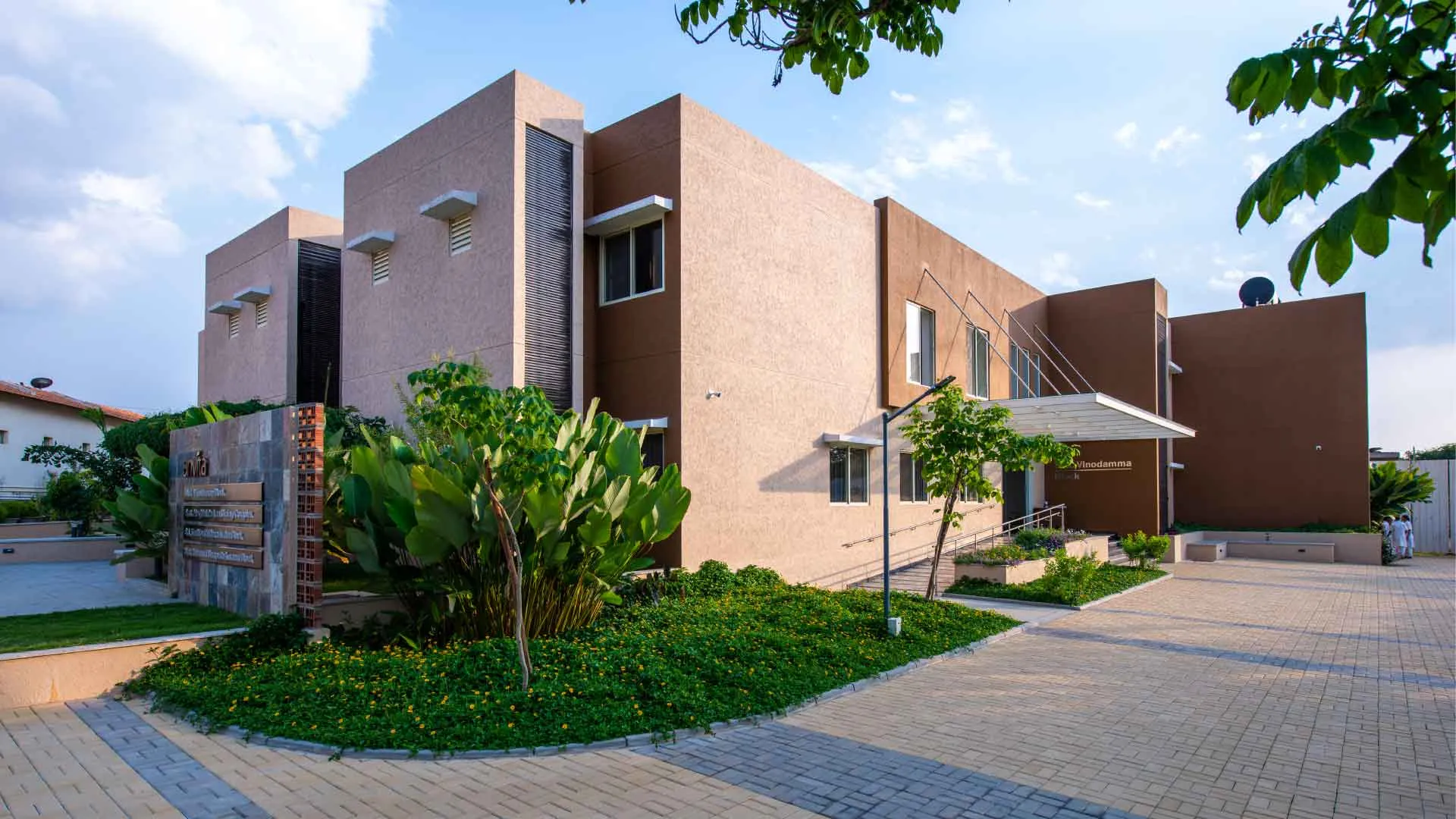
Long-Term Rehabilitation Center in Bangalore, India
Read more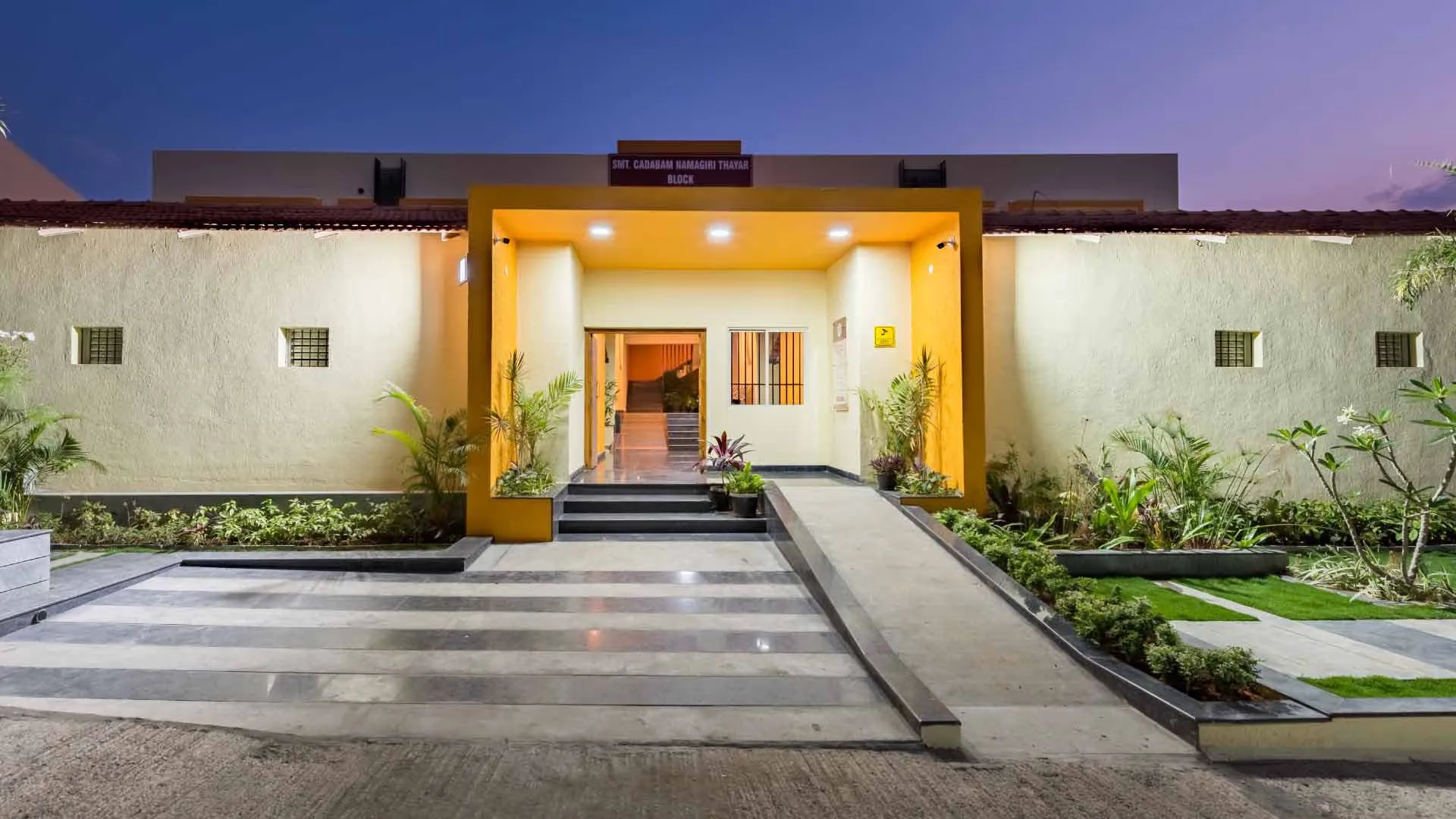
Advanced Psychiatric Rehab Centre in Bangalore
Read more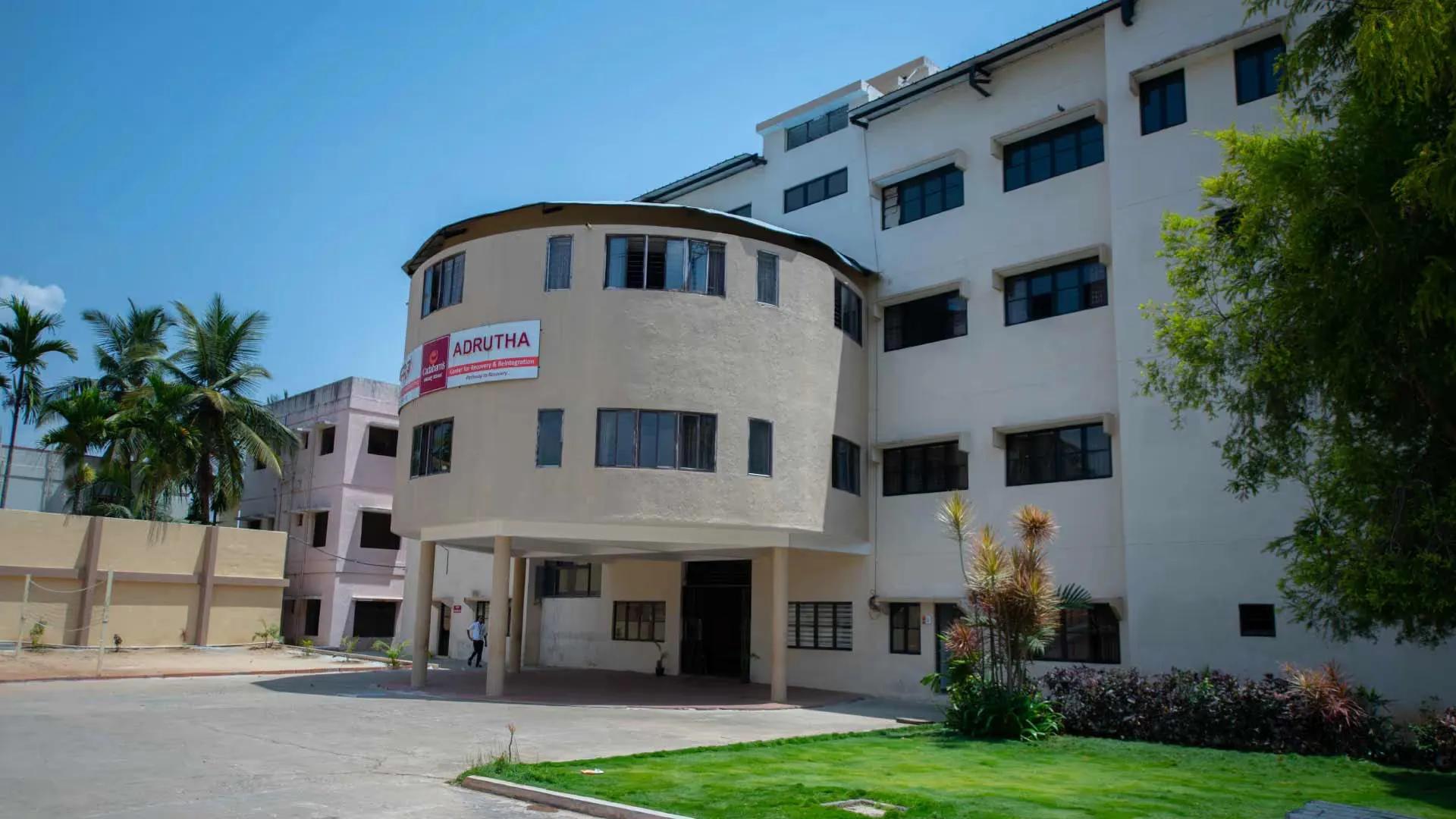
Our Affordable Rehab Centre in Bangalore
Read more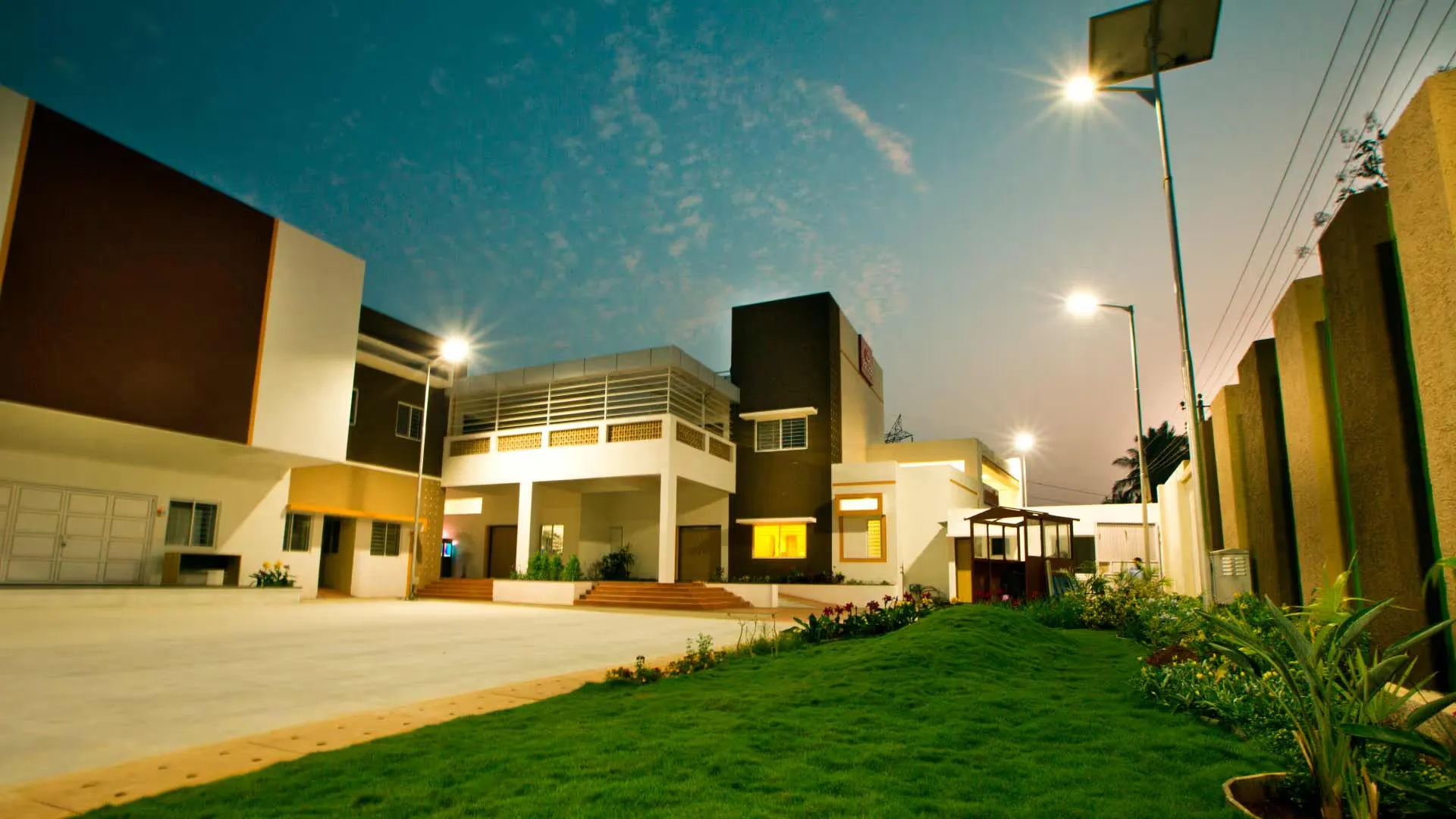
Our Specialised De-Addiction Centre in Bangalore
Read more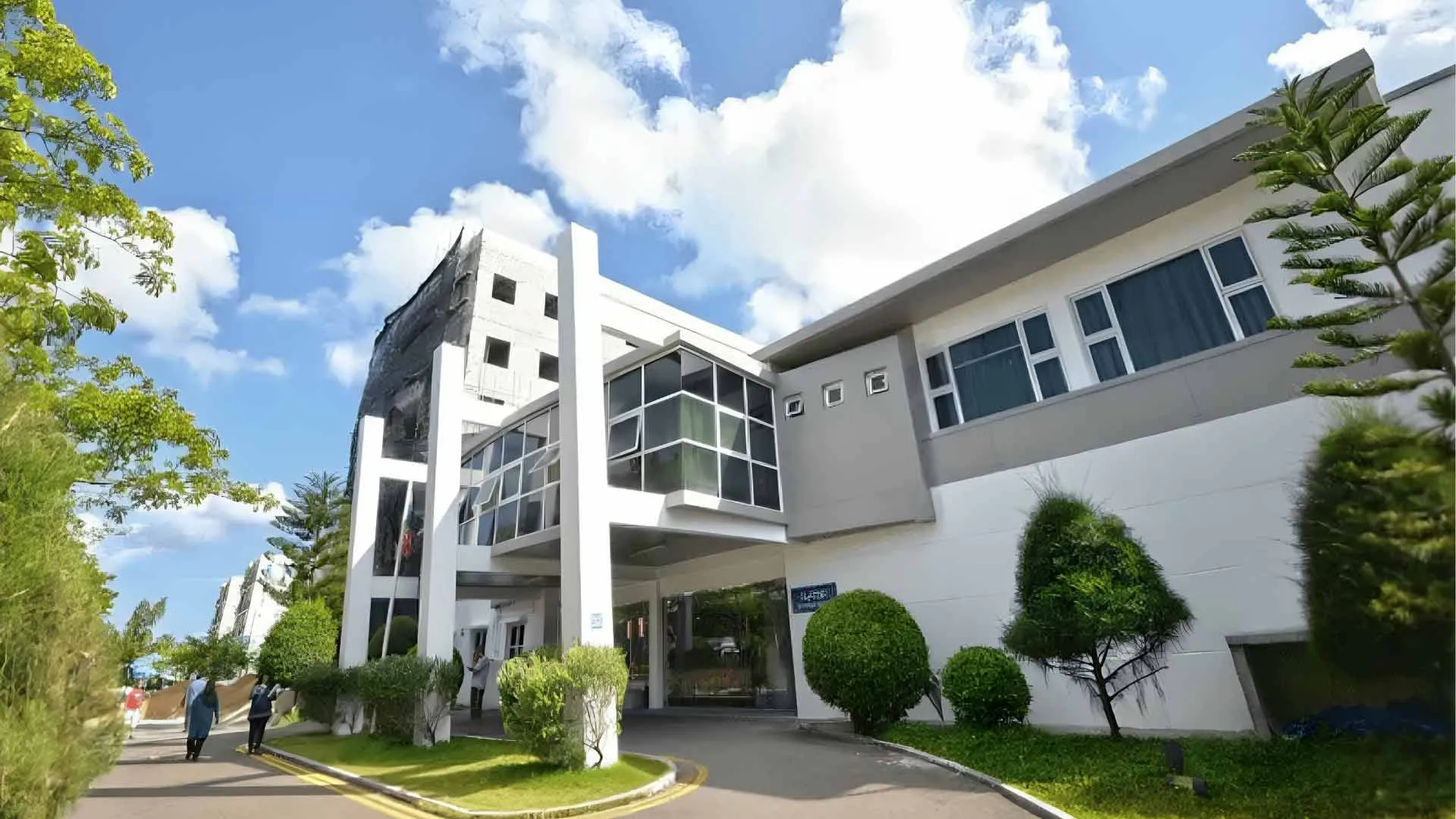
Premier Mental Health & Rehabilitation Centre in Maldives
Read moreGood to know
Personalisation is the cornerstone of our approach. Every program at Cadabam’s begins with a comprehensive assessment of psychiatric, psychological, and social needs. Based on this evaluation, we collaborate with you and your family to set meaningful goals.
Your progress is continuously monitored through regular symptom tracking and functional milestone reviews. This allows our team to remain flexible, adapting your treatment plan as you heal and grow to ensure the interventions remain effective and relevant to your journey.
Our Bipolar Disorder programs integrate a range of evidence-based therapies to provide holistic care. Key interventions include:
Family involvement is a powerful catalyst for successful recovery. At Cadabam’s, we actively integrate families into the treatment process through psychoeducation, family counselling, and collaborative relapse prevention planning.
Educating caregivers about the disorder, teaching effective communication strategies, and providing them with support helps create a stable and understanding home environment. This partnership significantly improves long-term outcomes and reduces the chances of relapse post-rehabilitation.
Inside our centres
The duration and cost of a Bipolar Disorder rehabilitation program are influenced by several factors, including the severity of symptoms, the specific program type chosen, the required level of supervision, and individual functional goals. While we avoid a one-size-fits-all pricing model, we are committed to transparency. During your initial consultation, our team will work with you to outline a clear, personalised plan with a detailed breakdown of associated costs, ensuring you can make an informed decision.
Lasting recovery extends far beyond the duration of a residential program. Our commitment to your well-being includes robust discharge planning and long-term aftercare. This involves creating a seamless transition to step-down care or outpatient follow-ups, ensuring continuous medication monitoring, and equipping you with powerful relapse prevention strategies. This continuity of care is fundamental to our philosophy, providing a safety net that supports sustained stability long after you leave our centre.
Taking the first step toward structured recovery can feel overwhelming, but you don't have to do it alone. If you or a loved one is struggling with Bipolar Disorder, professional guidance can make all the difference. Reach out to our compassionate team to understand which rehabilitation program best suits your needs and begin the journey toward stability and a better quality of life.
For more information or to book a consultation, please call us at +91 9611194949 .
Podcast & video
FAQs
Voices of recovery
My brother was suffering from Bipolar Disorder. He just didn't seem to get better anywhere. At one point, we thought everything was lost, it really affected our parents the most. Since he has joined rehabilitation at Cadabam’s, he has slowly gotten better. Seeing the joy on both his and my parents’ face as he recovered was worth it. A great experience here with Cadabam’s.
— Mrityunjay A
Watching my husband go through bipolar disorder was one of the most difficult things. To see him recovered now, and back on his feet is an indescribable feeling. The short-term rehab program at Cadabam’s really helped him return to me.
— Mrs. V Shekhar
I had stayed here for treatment of Bipolar Disorder. It was a great experience, and staying here really helped my recovery. Thank you Cadabam’s!
— Ravi Kumar.
My son was suffering from Bipolar Disorder. We had tried everything to help him get better, and we were losing hope. We tried Cadabam’s as a last ditch effort, because it was so far away from home. From the moment we stepped into the premises, we knew this place was different. They have helped our son so much through rehabilitation. We now finally see the light at the end of the tunnel. Thank you Cadabam’s.
— Laila Rohan
I had fought Bipolar Disorder for so long, I thought I would not get better at all. Multiple doctors and treating centres tried. But, finally Cadabam’s changed my life. They helped me fight Bipolar Disorder and helped me understand that I could live a fulfilling and happy life while fighting the disorder.
— Vinyas Ravish
My brother was suffering from Bipolar Disorder. We didnt know what to do, but the team at Cadabam’s was so understanding. They have taken such good care of my brother. He is recovering and is so much better now.
— Parth Kumar
Watch & learn
Further reading
Helpline at your fingertips
+91 96111 94949