
Psychiatrist
Dr. Arun Kumar
Consultant Psychiatrist
15 years of experience
Treats: Schizophrenia, Alcohol Dependence, Bipolar Disorder, Depression, Drug Addiction, OCD, Personality Disorder, Autism Spectrum Disorder, Dementia, SLD
View profileSomatic Symptom Disorder (SSD) is a complex psychiatric illness wherein individuals present with salient bodily symptoms that are not fully explainable by medical diseases.
These symptoms cause distress and impact daily functioning, typically leading to recurrent visits to doctors and health-related anxiety. An understanding of SSD is necessary to differentiate it from other similar disorders and get proper treatment.
What to look for
Meet the clinicians
Psychiatrist
Consultant Psychiatrist
15 years of experience
Treats: Schizophrenia, Alcohol Dependence, Bipolar Disorder, Depression, Drug Addiction, OCD, Personality Disorder, Autism Spectrum Disorder, Dementia, SLD
View profile
Psychiatrist
Consultant Psychiatrist
21 years of experience
Treats: SLD, Autism Spectrum Disorder, Dementia, Schizophrenia, Bipolar Disorder, OCD, Drug Addiction
View profile
Psychiatrist
Medical Director
25 years of experience
Treats: Alcohol Dependence, Bipolar Disorder, Dementia, Schizophrenia, Drug Addiction, Personality Disorder, OCD
View profile
Counsellor
Counsellor
3 years of experience
Treats: Alcohol Dependence, Schizophrenia, Bipolar Disorder, Personality Disorder
View profile
Psychologist
Clinical Psychologist
8 years of experience
Treats: Depression, Bipolar Disorder, Alcohol Dependence, Drug Addiction, Personality Disorder
View profileWhy it happens
SSD arises due to an interplay of biological, psychological, and environmental influences. This flowchart breaks down key contributors:
The brain plays a crucial role in processing pain and bodily sensations, sometimes amplifying discomfort beyond its actual severity. Genetic predisposition also contributes, as individuals with a family history of SSD or anxiety disorders may be more susceptible to developing similar conditions.
Mental health conditions like anxiety and depression are closely linked to SSD. Heightened stress and past trauma, especially PTSD, can intensify physical symptoms, making individuals more aware of bodily sensations. These psychological factors often create a cycle of distress, worsening the symptoms over time.
Cultural stigma around mental health can discourage individuals from seeking psychological support, leading them to focus solely on physical symptoms. Additionally, media exposure often fuels health anxiety by promoting medical fears and misinformation, which can further reinforce somatic concerns in vulnerable individuals.
Recognising these risk factors can help in early identification and better management of SSD.
How it presents
Somatic Symptom Disorder can show up in different ways depending on which physical symptoms are most prominent. These variations help clinicians identify specific needs and personalise treatment plans.
Chronic pain is the main complaint, often without a medical cause. It may affect the back, joints, or limbs and is usually worsened by stress or emotional distress.
This includes recurring digestive issues like nausea, bloating, or abdominal discomfort, typically triggered or intensified by anxiety rather than an underlying medical condition.
Symptoms may involve dizziness, numbness, or tingling. These mimic neurological problems but lack clinical evidence, causing distress and confusion.
Multiple symptoms across categories—pain, fatigue, and digestive issues—appear together. This makes diagnosis more complex and often requires a combined treatment approach.
How we help
SSD treatment combines CBT, mindfulness, and psychiatric support to reduce emotional distress. Cadabam’s offers tailored care plans that target psychological roots and promote long-term healing, stability, and better quality of life.
Psychotherapy and counselling are key to managing SSD, as they address the emotional and behavioural responses that intensify physical discomfort and distress.
Pharmacological treatments are considered when distress severely disrupts daily life or co-occurs with depression or anxiety. SSRIs and SNRIs are commonly prescribed to stabilise mood. These medications work best when combined with therapy, which helps patients build emotional resilience and address underlying thought patterns and behavioural responses.
Holistic rehab interventions focus on the mind-body connection through therapies like yoga, art therapy, nutrition counselling, and mindfulness. These approaches promote emotional balance, reduce stress, and support recovery by addressing lifestyle, trauma, and self-awareness, complementing traditional treatment for a more sustainable, whole-person approach to healing.
Simple lifestyle changes and self-care routines can significantly ease distress and support long-term recovery in individuals living with SSD.
Emergency service
Find nearest mental health center now
Details
If physical symptoms persist despite medical reassurance, cause significant distress, or interfere with daily life, seeking professional help is essential. A mental health specialist can help determine if underlying psychological factors contribute to your symptoms and provide tailored treatment for better management and relief.
Timely evaluation is crucial when unexplained physical symptoms persist, impacting daily life. Identifying emotional triggers early can lead to an accurate diagnosis and effective intervention strategies.
You should prepare for the medical consultation by doing the following steps
Keep a symptom diary.
List previous medical tests.
Discuss mental health concerns.
Be open to psychological evaluation.
Cadabam’s offers a multidisciplinary approach, integrating psychotherapy, medication management, and holistic care to provide personalised treatment for SSD. Our experienced professionals ensure compassionate, evidence-based care, empowering individuals to regain control over their health and well-being.
If you are searching for a solution to your problem, Cadabam’s Rehabilitation Centre can help you with its team of specialised experts. We have been helping thousands of people live healthier and happier lives for 33+ years. We leverage evidence-based approaches and holistic treatment methods to help individuals effectively manage their Somatic Symptom Disorder. Get in touch with us today. You can call us at +91 96111 94949 to book an appointment with our experts.
Our centres

Our Specialised De-Addiction Centre in Bangalore
Read more
Advanced Psychiatric Rehab Centre in Bangalore
Read more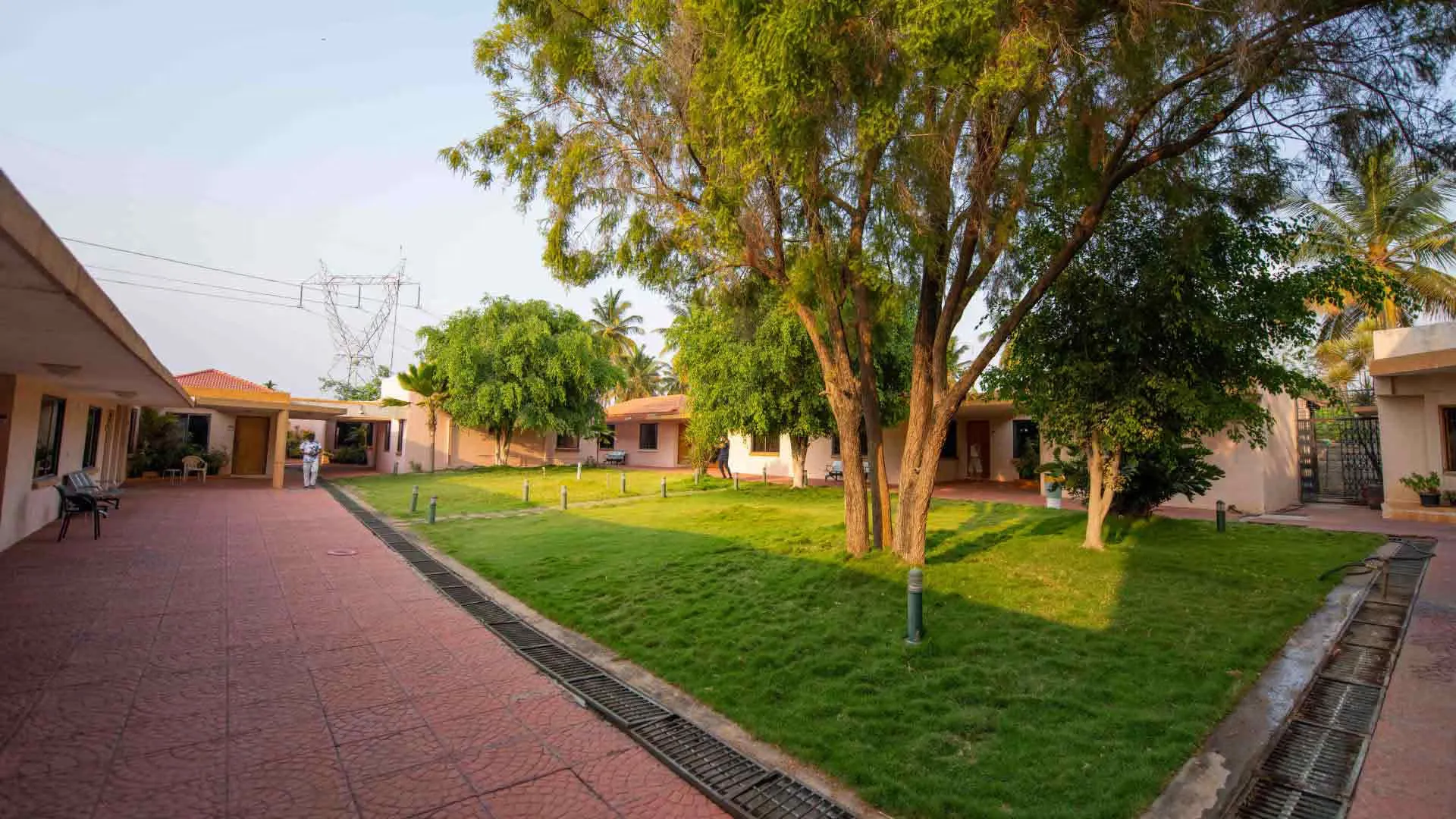
Luxury Rehabilitation Center in Bangalore, India
Read more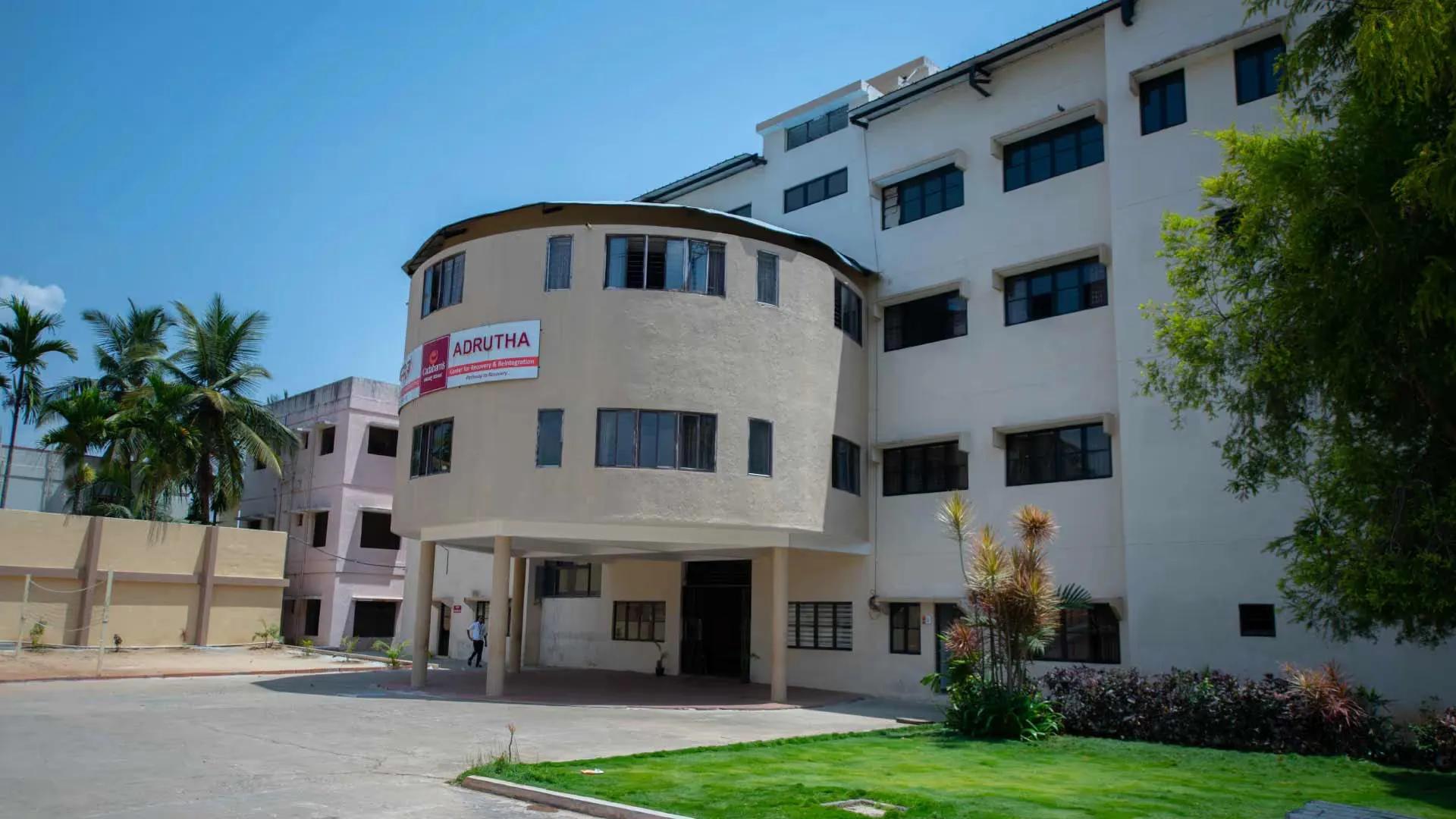
Our Affordable Rehab Centre in Bangalore
Read more
Our Advanced Mental Health Rehab Centre In Hyderabad
Read moreDetails
Somatic Symptom Disorder is diagnosed based on specific criteria outlined in the DSM-5. Proper diagnosis is crucial to differentiate SSD from related conditions and ensure appropriate treatment.
The DSM-5 outlines that SSD involves one or more distressing physical symptoms, excessive thoughts or behaviours related to health concerns, and persistent symptoms lasting over six months. The somatic symptom disorder DSM 5 guidelines also stress psychological responses, helping clinicians distinguish SSD from similar overlapping conditions.
The somatic symptom disorder DSM 5 criteria provide clear distinctions from similar conditions like illness anxiety disorder and conversion disorder. While symptoms may overlap, SSD focuses on the emotional response to physical symptoms rather than the presence of illness or neurological impairment, making accurate diagnosis essential for effective treatment.
Cadabam’s specialists assess SSD through clinical interviews, behavioural analysis, and DSM-5 guidelines. By identifying emotional triggers and the causes of somatic symptom disorder, they distinguish SSD from similar conditions, ensuring each patient receives an accurate diagnosis and a comprehensive, individualised care plan rooted in psychological and functional needs.
Many individuals struggling with SSD cases go undiagnosed due to a lack of awareness about the condition, symptoms being mistaken for other issues, or the stigma surrounding mental health.
SSD is often misunderstood, leading to inadequate treatment and support. Many individuals struggling with SSD are dismissed or misdiagnosed, causing delays in receiving proper care. This stigma reinforces the misconception that SSD is not a legitimate condition, preventing those affected from seeking timely intervention and worsening their distress over time.
Details
It is difficult to live with Somatic Symptom Disorder, as the physical symptoms and emotional distress tend to affect daily life. But with proper coping mechanisms, support systems, and professional treatment, one can effectively manage their symptoms and enhance their quality of life.
Knowing how to cope with SSD is the key to taking control and regaining well-being.
Mindfulness, journaling, and stress management techniques can help individuals navigate their symptoms effectively. Incorporating creative outlets, physical activity, and routine-based structure further enhances emotional stability and fosters a sense of control during flare-ups, supporting long-term emotional regulation and daily functioning.
Support groups, therapy, and educational resources are essential in helping individuals with SSD feel validated and supported. Consistent engagement with these resources can reduce isolation, promote self-advocacy, and connect individuals to others facing similar challenges, reinforcing emotional strength and improving overall outcomes in long-term mental health care.

33+ years of focused mental healthcare, shaped by 1000+ real patient journeys.

State of the art mental health centres built for treatment and recovery.

A coordinated team of psychiatrists, psychologists, counsellors, and rehabilitation specialists supporting your care.

Support from early signs through treatment and recovery.

Treatment guided by clear plans that continue beyond diagnosis.

Planned follow ups and continued guidance to help maintain progress over time.
Inside our centres
FAQs
Patient journeys
Voices of Resilience
Paranoid Schizophrenia - Seeta's Story
Depression due to Abortion and Paranoid Schizophrenia
Read story →Voices of Resilience
Comorbid Disorders - Akash's Story
OCD, Bipolar and Substance Abuse Disoder along with Tic Disorder
Read story →Voices of Resilience
Bipolar Affective Disoder - Meena's Story
Depression, Bipolar Affective Disorder, and Obsessive Compulsive Disorder
Read story →Voices of Resilience
Borderline Personality Disorder - Sumadhra's Story
Emotionally Unstable with Borderline Personality Disorder
Read story →Voices of recovery
We had the best experience at the Adrutha campus and their counsellors are so nice and cooperative.
— Nasima Meyor
Deaddiction is a difficult process. Cadabam’s made it easier for my family. A special thanks to Dr. Swarupa for helping me reconnect with my family, I am a lot happier now.
— Mohit
Thanks, Anunitha. My son had gone for deaddiction. Ms. Raji, Jobin, and Sufia have done wonders. He was treated professionally and there is a vast difference in his behavior from before admission and after 2 months of treatment. He liked the food out there. Raji is fantastic. She understands the patient closely and is very attentive. She is completely dedicated. We have constantly been after Raji, Jobin, and Sufia for the ongoing developments in my Son but they have always attended to us calmly and understood our concern. My Son is back to his studies and other activities and leading a normal life. Thanks to the entire staff who was involved in treating my son. Anunitha is a very good place for treating Deaddiction.
— Nilesh Jing
We had a very satisfying experience at Anunitha. The professional approach and the diligent personal involvement were exemplary. I would particularly put on record the contribution of Mr. Rajsekhar for handholding and for providing us the clarity and direction of the process and for Mrs. Renuka, Mr. Biju, and Mrs. Saji for taking care of all the requirements of professional service during the course.
— Rajnish Kumar
It was a good experience. The team members were very understanding and helpful throughout the stay. Counselors have worked sincerely to help the family. Thank you Team Amitha and Cadabam’s!
— Mansoor Khan
Helpline at your fingertips
+91 9611194949