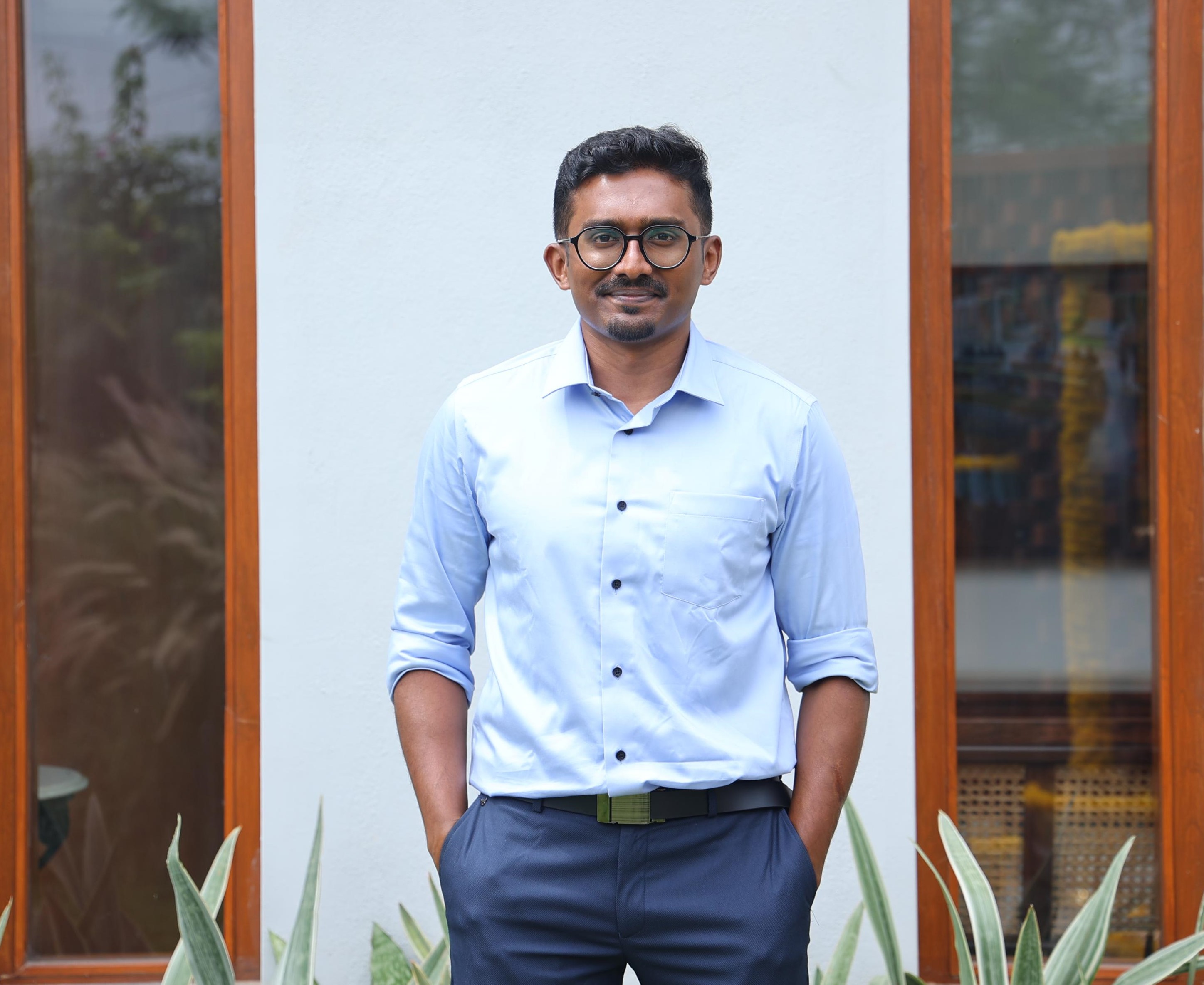
Psychiatrist
Dr. Thejus Kumar B R
Consultant Psychiatrist
6 years of experience
Treats: Schizophrenia, Personality Disorder, OCD, Dementia, Autism, Drug Addiction
View profileKnown widely as skin picking disorder, Excoriation Disorder goes beyond a mere habit to the realm of a mental disorder, one that impacts a person’s health, emotions, and everyday life. Despite its consequences, it often goes undiagnosed and misunderstood.
In this blog, we traverse through its identification to recovery and how Cadabam’s rehabilitation centre can provide holistic support to aid your journey.
What to look for
Meet the clinicians
Psychiatrist
Consultant Psychiatrist
6 years of experience
Treats: Schizophrenia, Personality Disorder, OCD, Dementia, Autism, Drug Addiction
View profile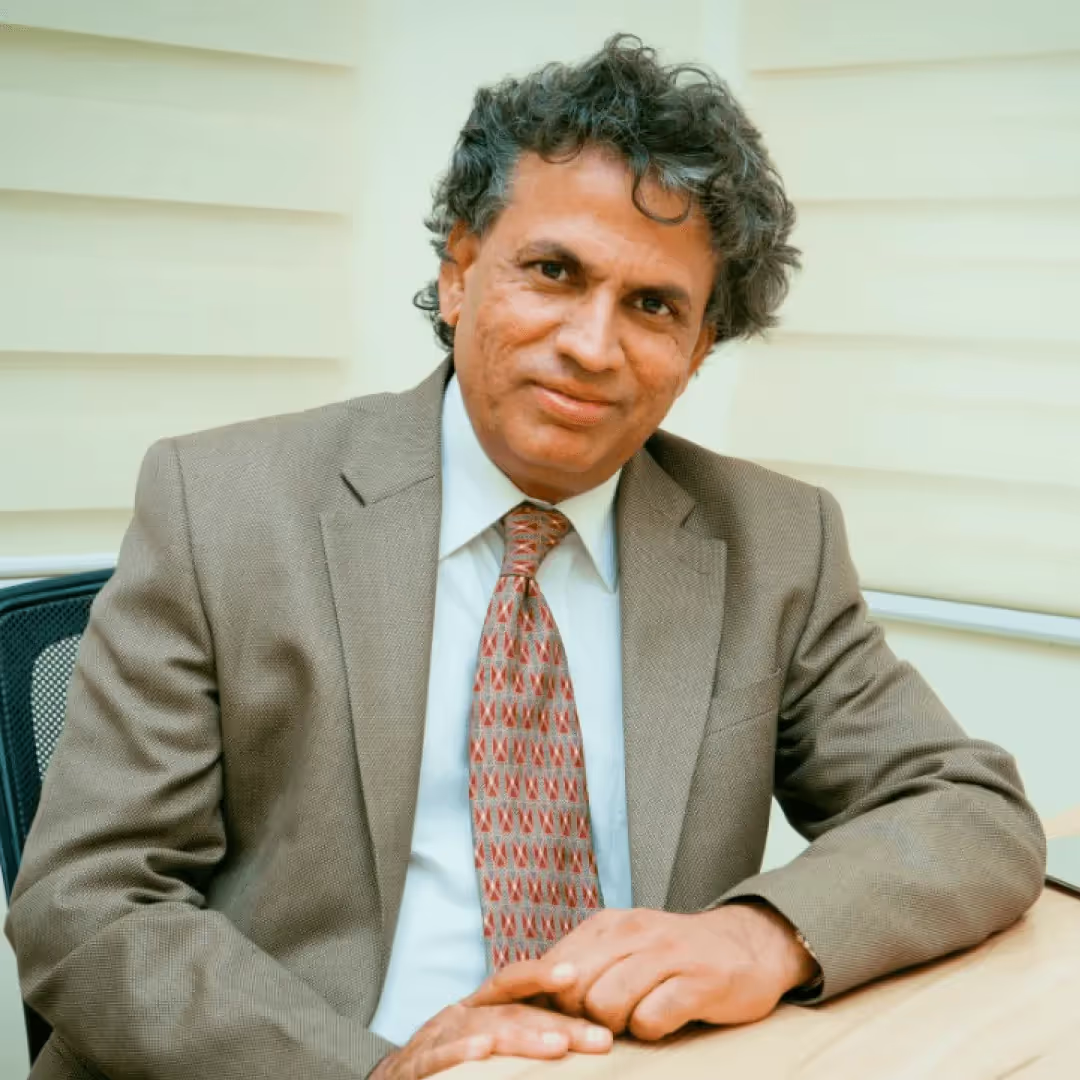
Psychiatrist
Medical Director
25 years of experience
Treats: Alcohol Dependence, Bipolar Disorder, Dementia, Schizophrenia, Drug Addiction, Personality Disorder, OCD
View profile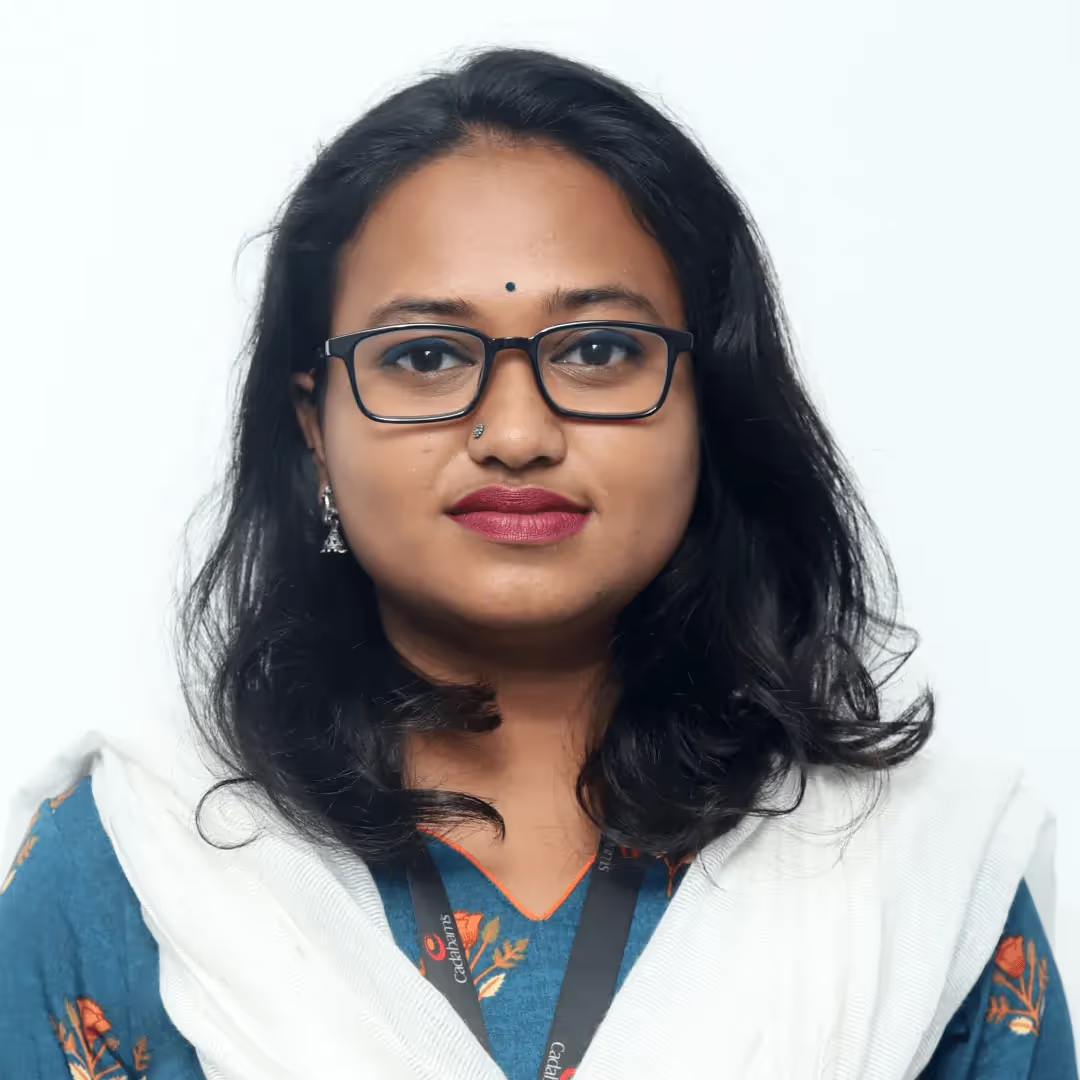
Counsellor
Counsellor
3 years of experience
Treats: Alcohol Dependence, Schizophrenia, Bipolar Disorder, Personality Disorder
View profile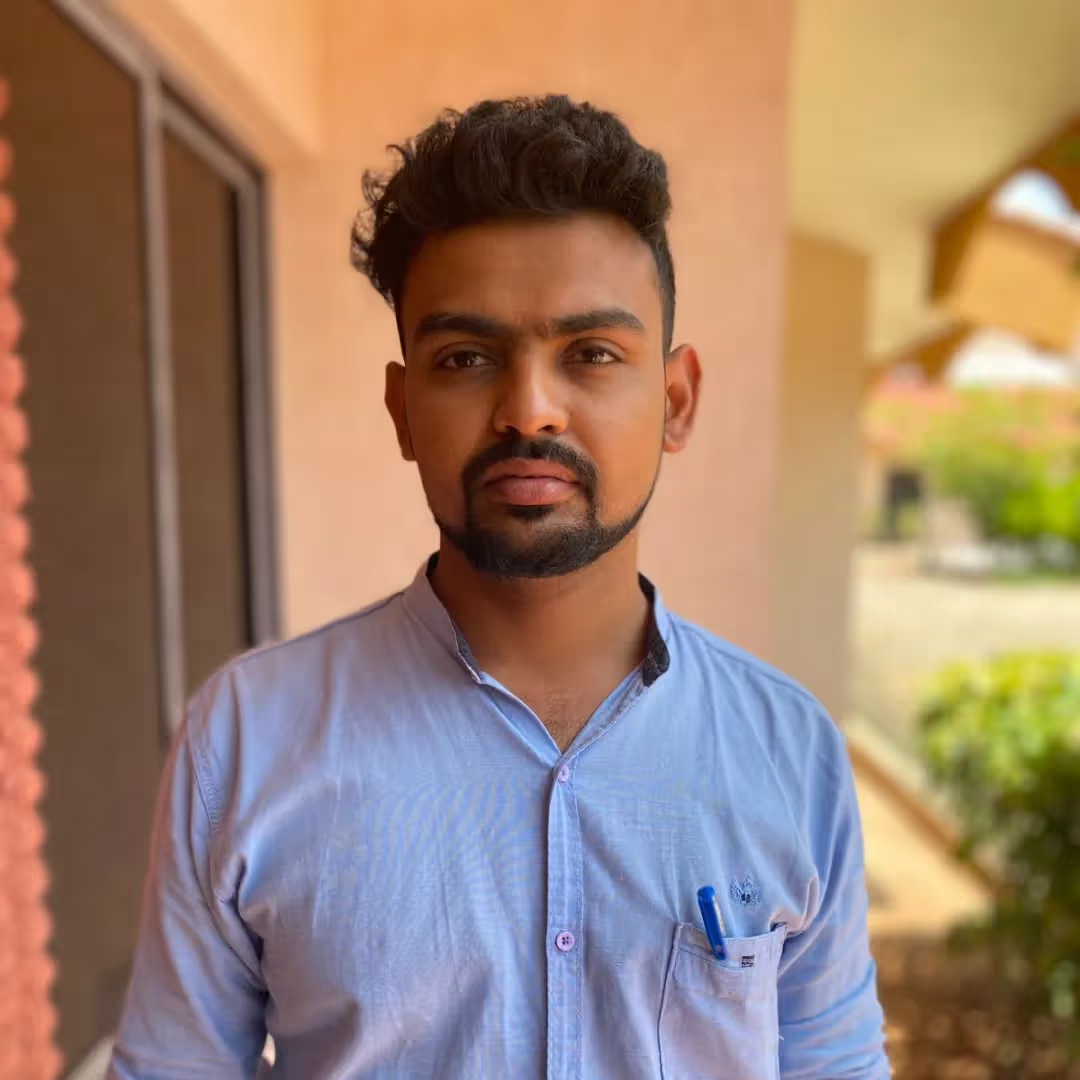
Counsellor
Case Manager
7 years of experience
Treats: Dementia, Depression, Schizophrenia, Autism Spectrum Disorder, Drug Addiction, OCD, Personality Disorder, SLD, Bipolar Disorder
View profile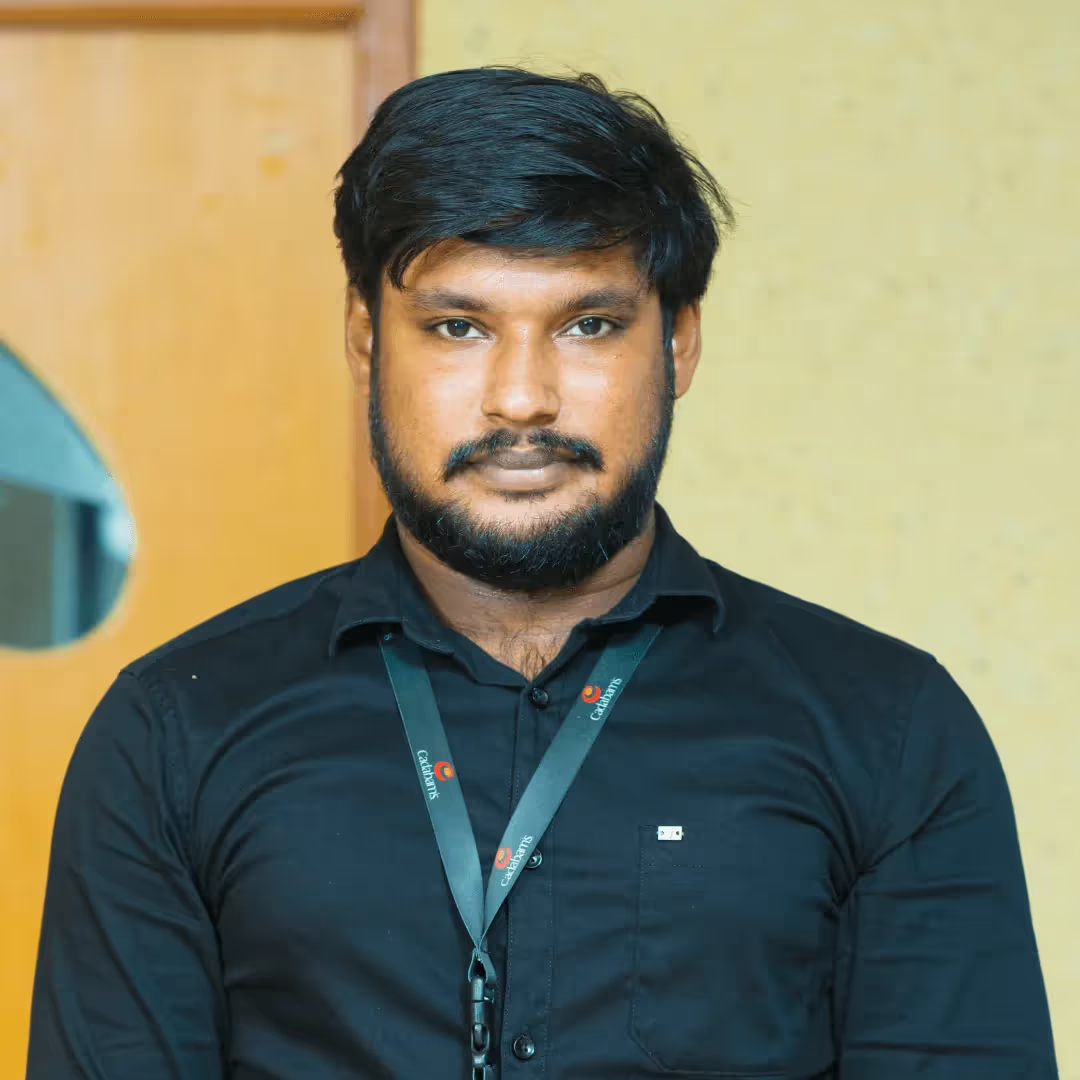
Counsellor
Case Manager
4 years of experience
Treats: Depression, Schizophrenia, Alcohol Dependence, Bipolar Disorder, OCD, Personality Disorder
View profileWhy it happens
The causes of excoriation disorder are emotional and neurological influences alongside the environment. The triggers could be very different from one person to another and might change over time. Understanding the underlying factors is critical for creating a comprehensive excoriation disorder treatment approach.
Excoriation could be associated with anxiety, depression, trauma, ADHD or several other underlying mental health issues. For many people, this action gives them the illusion of temporarily having control, even if it’s only during that moment emotionally. These emotional factors are consistent with the excoriation disorder definition as outlined in DSM-5.
Bug bites, acne, eczema or dry skin are all examples of irritants that can result in the urge to pick. Some users have also reported facing discomfort due to uneven patches or imperfections on the skin. These are direct contributors to skin excoriation disorder and are commonly reported during clinical assessments.
Newer studies have started focusing on obsessive compulsive disorder and body-focused repetitive behaviours within family history, along with serotonin and problem-forming habits, suggesting these factors of genetics and neurobiology have a larger impact on the disorder.
How it presents
Not all individuals’ skin picks uniformly. Specialists categorise the actions into three types based on the level of awareness and intention involved.
This type occurs without conscious control, usually while a person is focused on another task such as reading or watching television. The picking starts with a mindless scanning and picking of skin and can escalate to skin tearing in the absence of awareness. In such cases, excoriation disorder symptoms may go unnoticed for a long time.
This kind of skin picking is purposeful and sustained, often sparked by stress, anxiety, or perceived irregularities of the skin. Some individuals may use mirrors or tweezer-like tools, and sessions can stretch from minutes to hours.
Most people will experience a mix of both automatic and focused picking. A person may start doing it mindlessly, and at some point, they will become aware of it, especially after some emotional stress or discomfort in their physical body. These mixed behaviours often highlight the complexity involved in the excoriation disorder definition and its diagnosis.
Diagnosis
The diagnosis is made with a clinical interview, and the excoriation disorder with cross-injury is checked with the DSM-5. Picking skin cannot be better explained by any other condition.
To diagnose excoriation (skin-picking) disorder, the following key features must be present, as outlined in the DSM-5:
Repeated skin picking results in lesions
Repeated unsuccessful attempts to quit
Clinically significant psychological distress or functioning impairment
Not attributable to a substance or medical condition
Excludes:
Eczema, scabies, or other dermatological diseases
Skin problems due to substance use
Body dysmorphic disorder (BDD) or trichotillomania
How we help
Effective recovery combines therapy, medication, and rehabilitative care. At Cadabam’s, programs are tailored to address surface behaviours and root causes.
Therapies involve:
Cognitive Behaviour Therapy (CBT) is used to change the cognitive processes responsible for the behaviours.
Habit Reversal Training (HRT)
Acceptance and Commitment Therapy (ACT)
Exposure and Response Prevention (ERP)
Depending on severity and other concomitant conditions (comorbidity), a psychiatrist may recommend:
SSRIs such as fluoxetine or escitalopram
Mood stabiliser: Lamotrigine
N-acetylcysteine (NAC) to aid in decreasing the urges.
Antipsychotics, at lower doses, are used in resistant cases.
Recovery may be supplemented with:
Barrier aids (like gloves and bandages)
Fidget tools
Grounding objects
Share story group therapy.
Peer-led motivational recovery circles.
Emergency service
Find nearest mental health center now
Immediate assistance is critical when:
There’s notable bleeding or bruising
Injuries seem infected or are hot to the touch
Changes in temperature or confusion are present
Individual self-help methods include:
Mindfulness practices centred on the body
Tracking apps to monitor and log urges
Designing daily routines that are structured
Reducing the presence of mirrors and tweezers
Skin care routines using moisturisers to maintain dermal health
Support systems and peer healing create a safe space for individuals to share experiences, gain encouragement, and feel less alone in their journey with excoriation disorder.
Online forums and mobile communities for BFRB recovery
Therapist-led support groups
Hearing recovery stories fosters hope
4. Involvement of family in long-term support
Our centres
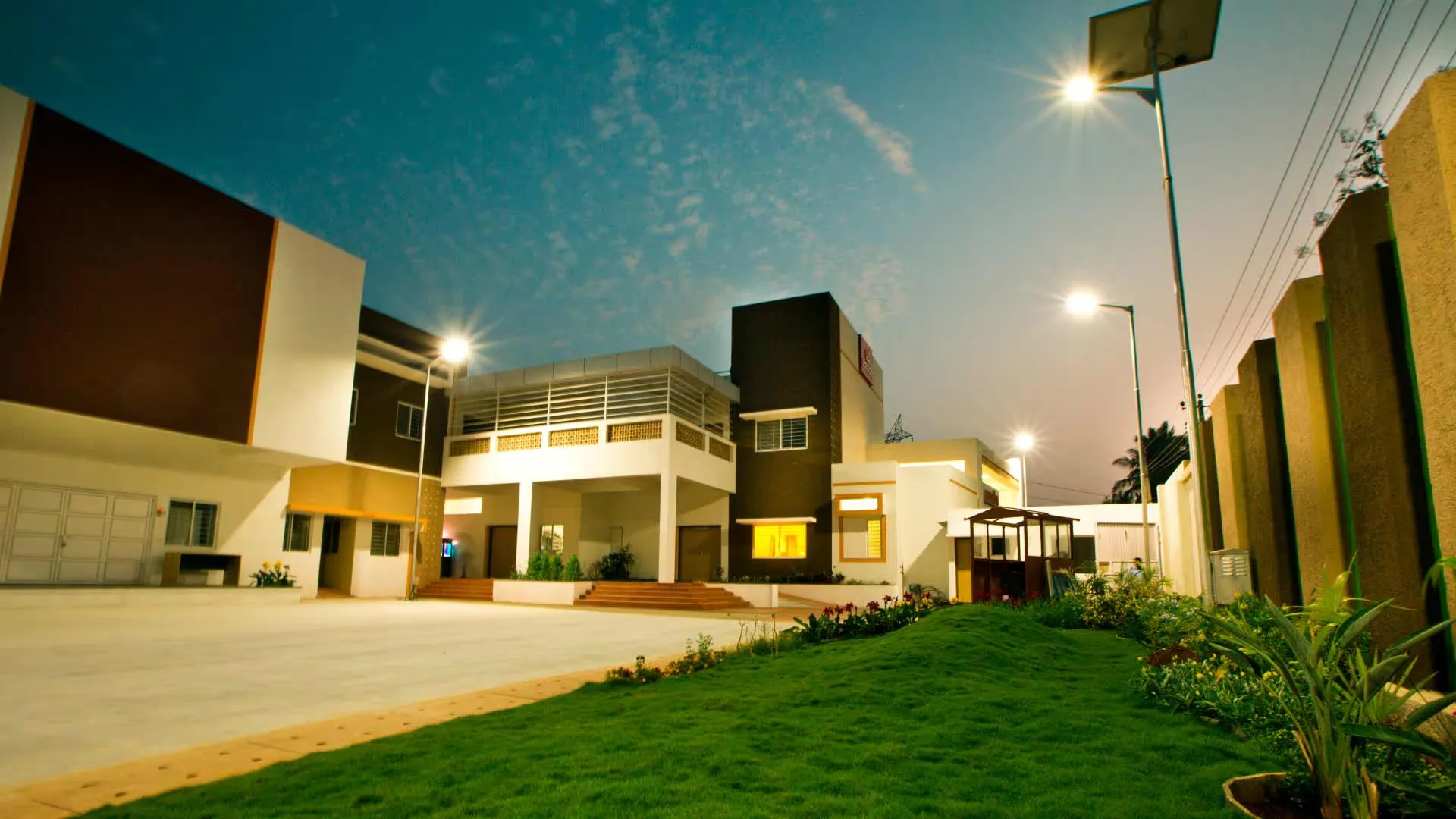
Our Specialised De-Addiction Centre in Bangalore
Read more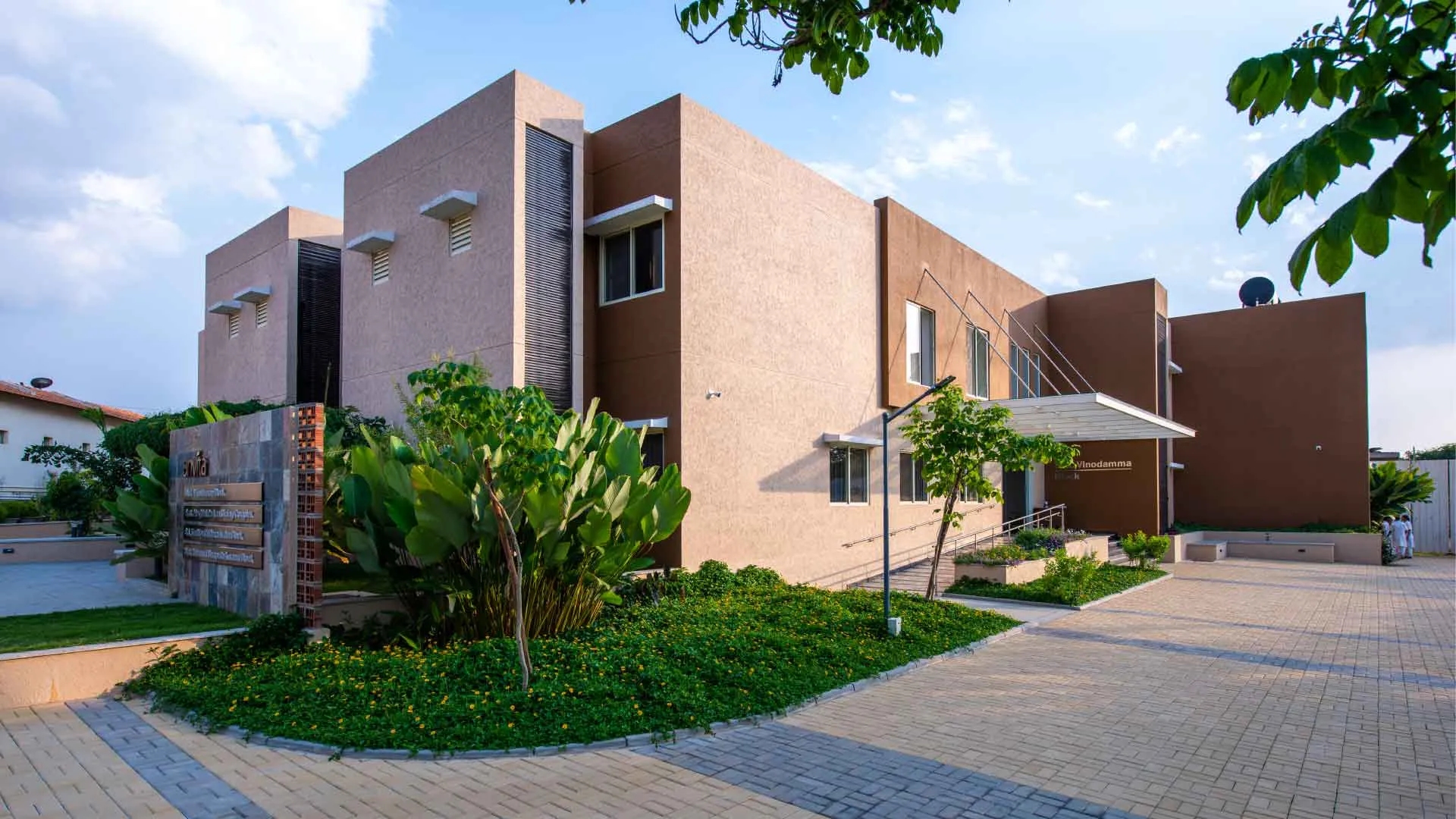
Long-Term Rehabilitation Center in Bangalore, India
Read more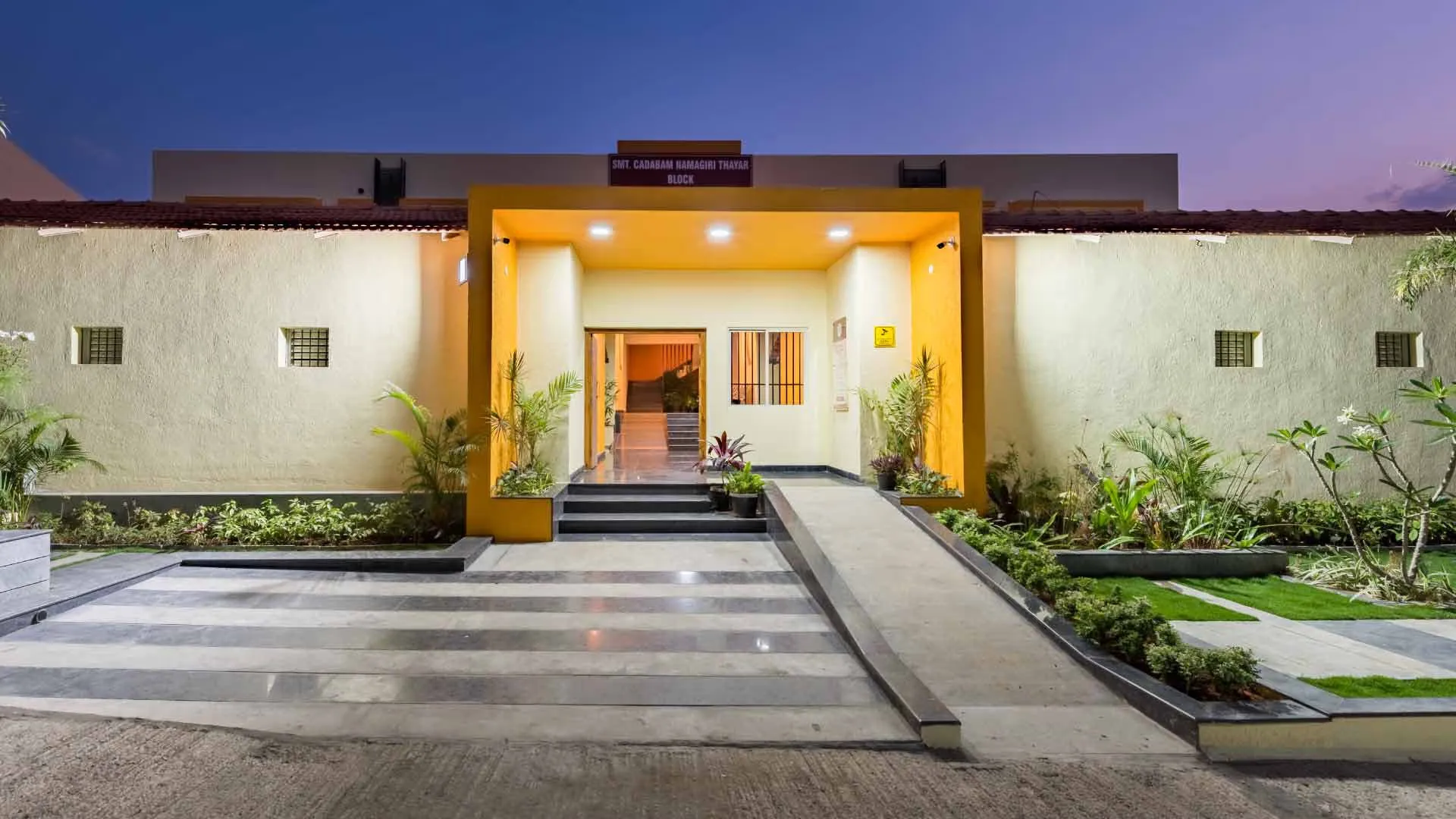
Advanced Psychiatric Rehab Centre in Bangalore
Read more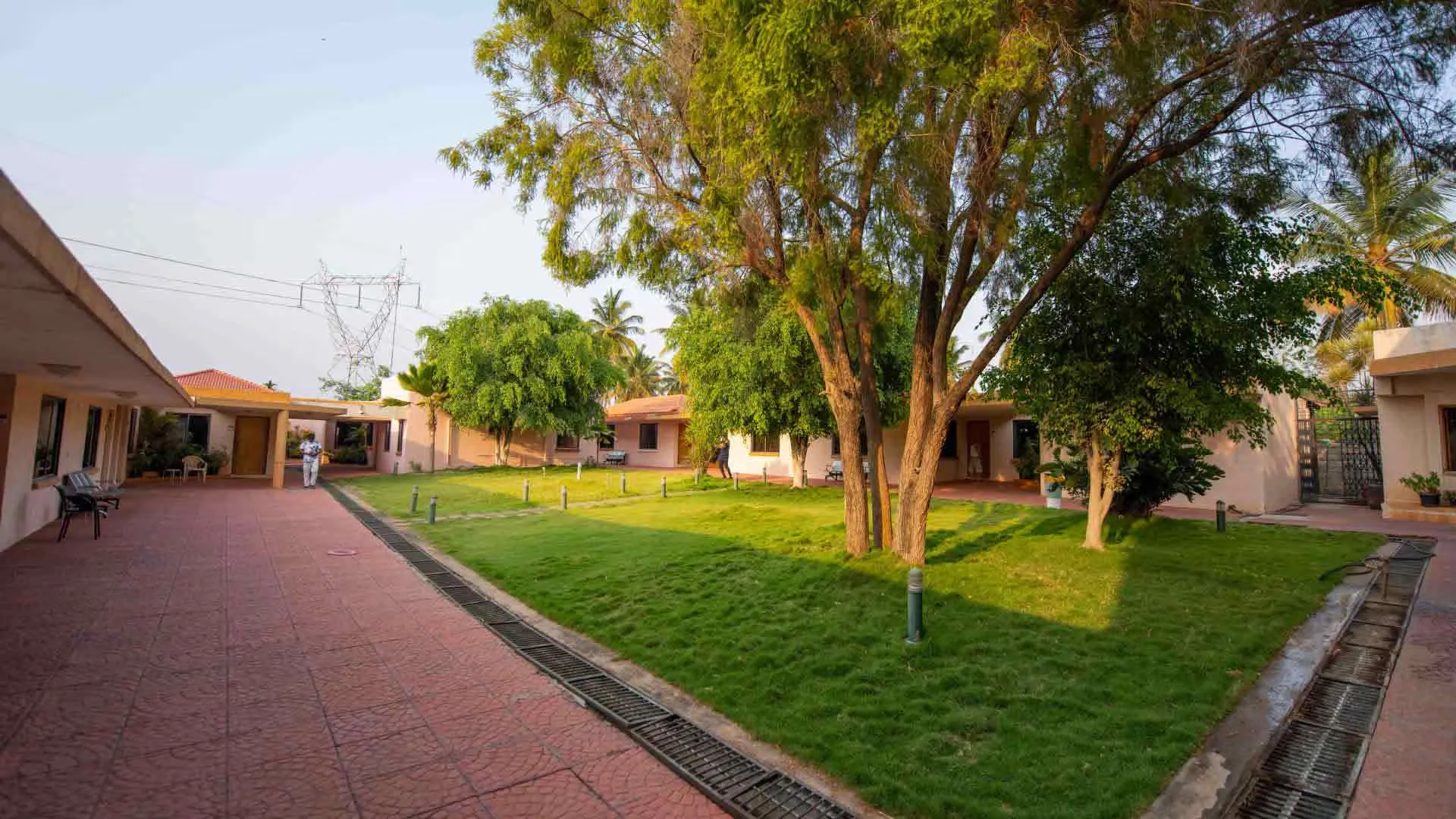
Luxury Rehabilitation Center in Bangalore, India
Read more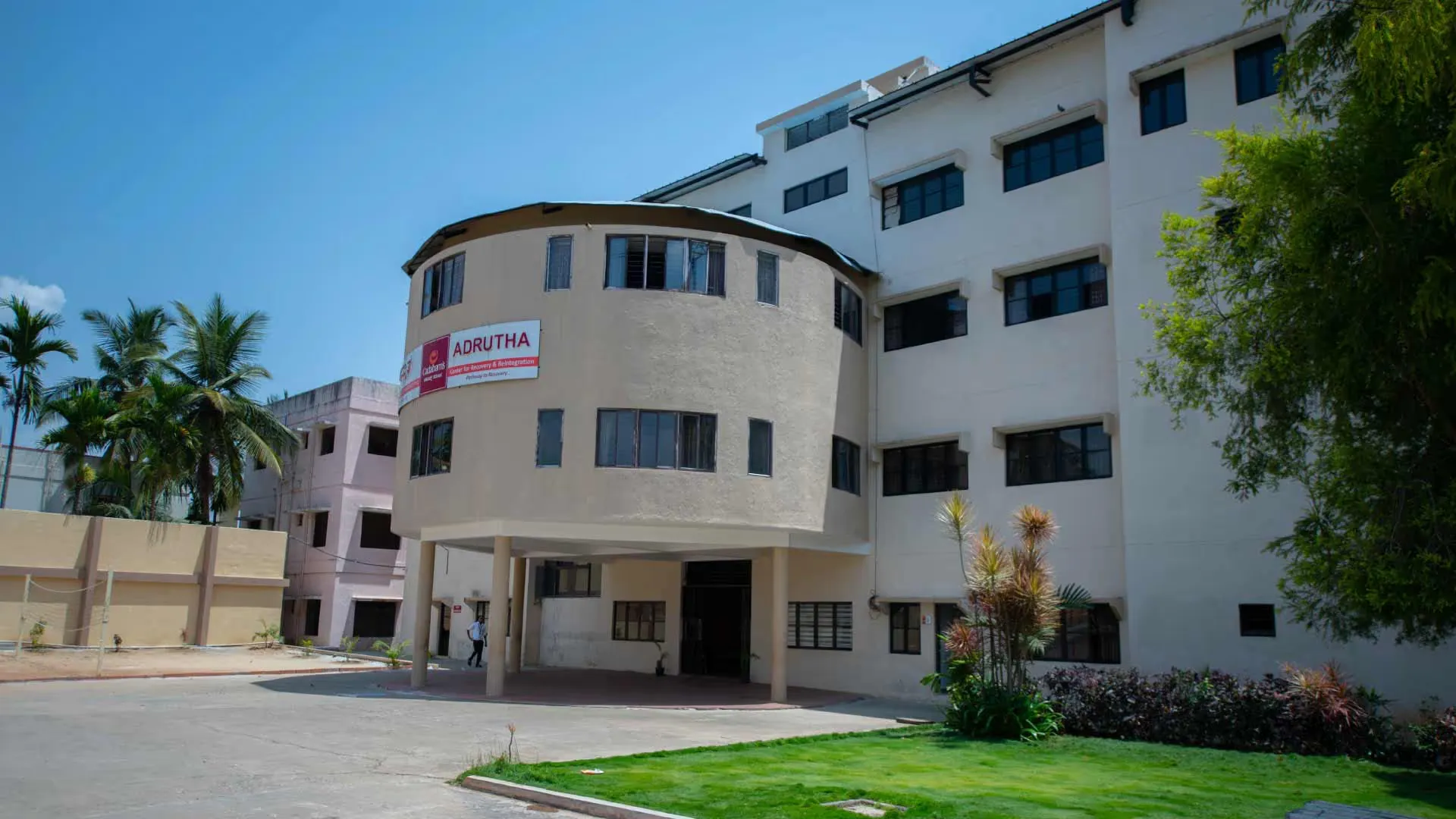
Our Affordable Rehab Centre in Bangalore
Read more
Our Advanced Mental Health Rehab Centre In Hyderabad
Read more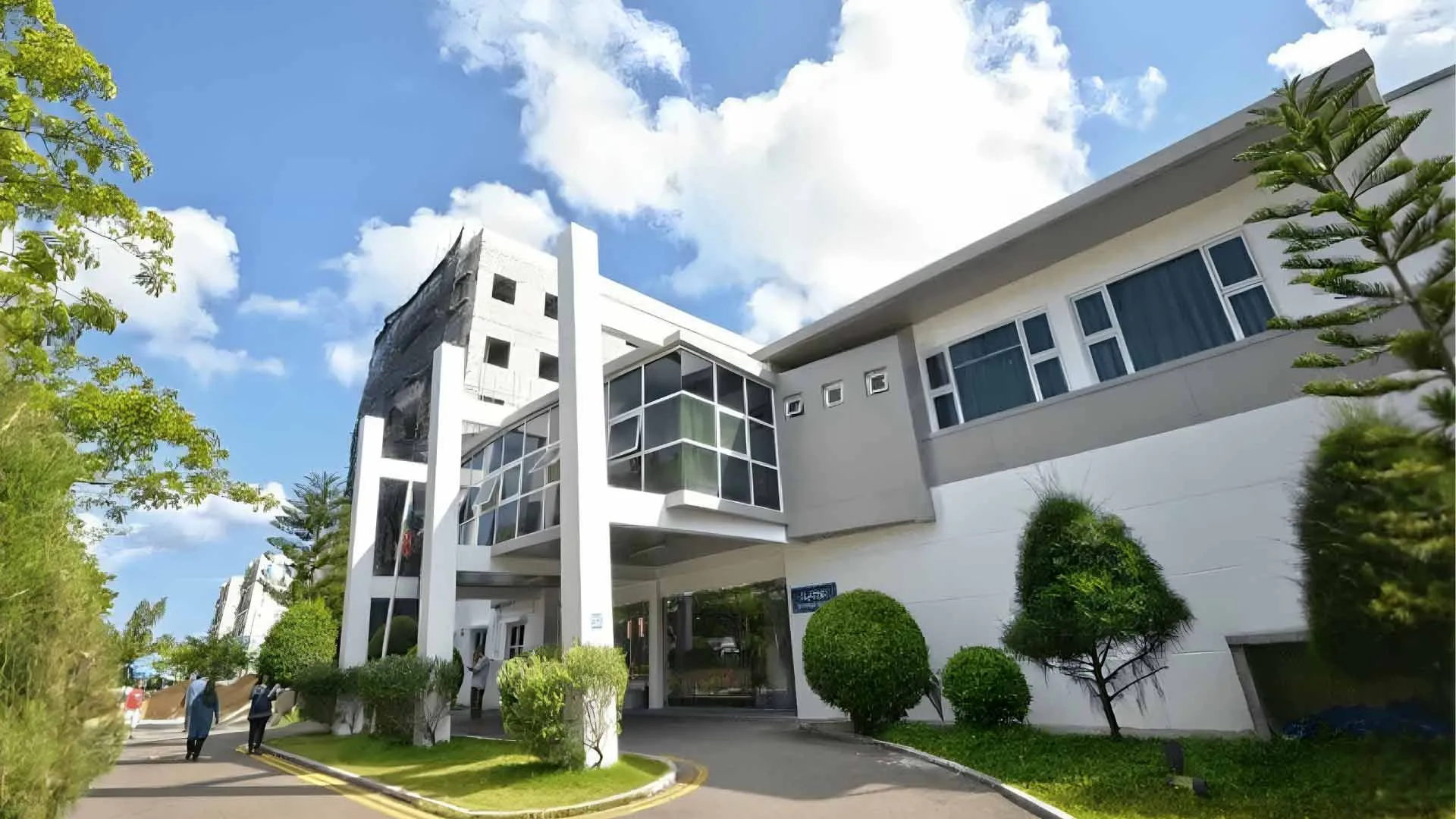
Premier Mental Health & Rehabilitation Centre in Maldives
Read moreDetails
We offer a compassionate, tailored, and multidisciplinary care model. Combining psychiatric care with behavioural therapies and social support, as well as structured rehabilitation plans, best serves the individual.
Every journey towards recovery begins differently with a comprehensive psychiatric and behavioural evaluation for coexisting conditions and potential underlying factors to determine the most appropriate course of action.
Rehab incorporates:
Behavioural Therapy
Emotional Self-Monitoring and Regulation
Habit Substitution Exercises
Community participation and family involvement
Our aftercare program helps ensure long-term recovery through:
Scheduled check-ins
Coping toolkits
Counselling for families
Defined relapse prevention strategies
At Cadabam's, we know that healing is personal. For skin-picking compulsions, we provide a multidisciplinary and evidence-based strategy. With psychiatric consultations, therapy, peer support, and ongoing family involvement, we ensure that every step you take toward healing, confidence, and control is well-supported.
If you are searching for a solution to your problem, Cadabam’s Rehabilitation Centre can help you with its team of specialised experts. We have been helping thousands of people live healthier and happier lives for 33+ years. We leverage evidence-based approaches and holistic treatment methods to help individuals effectively manage their Excoriation Disorder. Get in touch with us today. You can call us at +91 96111 94949.

33+ years of focused mental healthcare, shaped by 1000+ real patient journeys.

State of the art mental health centres built for treatment and recovery.

A coordinated team of psychiatrists, psychologists, counsellors, and rehabilitation specialists supporting your care.

Support from early signs through treatment and recovery.

Treatment guided by clear plans that continue beyond diagnosis.

Planned follow ups and continued guidance to help maintain progress over time.
Inside our centres
FAQs
Patient journeys
Voices of Resilience
Paranoid Schizophrenia - Seeta's Story
Depression due to Abortion and Paranoid Schizophrenia
Read story →Voices of Resilience
Comorbid Disorders - Akash's Story
OCD, Bipolar and Substance Abuse Disoder along with Tic Disorder
Read story →Voices of Resilience
Bipolar Affective Disoder - Meena's Story
Depression, Bipolar Affective Disorder, and Obsessive Compulsive Disorder
Read story →Voices of Resilience
Borderline Personality Disorder - Sumadhra's Story
Emotionally Unstable with Borderline Personality Disorder
Read story →Voices of recovery
My son has rebuilt his life through rehabilitation at Cadabams. The supported employment there helped him immensely as well.
— Mahesh
Supported employment at Cadabams really helped my son find purpose in life again. I found him looking forward to each day again and it helped his recovery so much.
— Karun
The short-term rehab plan at Cadabams really helped my child beat his disorder. Thank you team Cadabams!
— Karishma D
I had a great experience here. It was affordable, clean and the doctors really care about the patients. They were so understanding and helped me a lot in my recovery process.
— Lohith M
The rooms were so spacious and clean. Good food, and compassionate staff. Special shoutout to Dr. Madhukar for helping my son.
— Giridhar
Cadabams helped me recover. I am very thankful. Luxurious stay at Tri-Star, and experienced team helped me a lot.
— Lahari
Helpline at your fingertips
+91 9611194949