
Psychiatrist
Dr. Arun Kumar
Consultant Psychiatrist
15 years of experience
Treats: Schizophrenia, Alcohol Dependence, Bipolar Disorder, Depression, Drug Addiction, OCD, Personality Disorder, Autism Spectrum Disorder, Dementia, SLD
View profileNarcolepsy is a chronic neurological sleep disorder that disrupts the brain’s ability to control sleep-wake cycles. It leads to sudden, uncontrollable sleep episodes, impacting daily functioning, work, relationships, and personal safety.
At Cadabam’s Bangalore, expert management makes recovery possible, through accurate diagnosis and interventions guided by a narcolepsy specialist.
What to look for
Meet the clinicians
Psychiatrist
Consultant Psychiatrist
15 years of experience
Treats: Schizophrenia, Alcohol Dependence, Bipolar Disorder, Depression, Drug Addiction, OCD, Personality Disorder, Autism Spectrum Disorder, Dementia, SLD
View profile
Psychiatrist
Consultant Psychiatrist
7 years of experience
Treats: Depression, Schizophernia, Alcohol Dependence, Bipolar Disorder Drug Addiction, OCD, Personality Disorder
View profile
Psychologist
Consultant Clinical Psychologist
9 years of experience
Treats: Bipolar Disorder, Dementia, Depression, OCD, Personality Disorder, Schizophrenia, SLD, Autism Spectrum Disorder
View profile
Counsellor
Counsellor
3 years of experience
Treats: Alcohol Dependence, Schizophrenia, Bipolar Disorder, Personality Disorder
View profileWhy it happens
The primary cause of narcolepsy is the loss of neurons that produce hypocretin, a brain chemical essential for regulating wakefulness. This may be triggered by an autoimmune response.
Genetics, infections, and stress are believed to play a role. Understanding narcolepsy causes helps shape accurate diagnosis and targeted treatment.
Hypocretin (also called orexin) keeps you awake and alert by stabilising the brain’s sleep-wake rhythms. In narcolepsy, the brain loses the cells that produce this vital neurotransmitter, leading to unstable and unpredictable sleep-wake cycles.
The deficiency causes people to shift suddenly from wakefulness to REM sleep, even during the day, often without warning. Measuring CSF hypocretin levels is key in narcolepsy diagnosis, especially for distinguishing Type 1 from other sleep disorders.
Certain HLA gene variants, especially HLA-DQB1*06:02, are strongly associated with narcolepsy. But genes alone don’t cause it, there’s no single switch. Environmental triggers like streptococcal infections, H1N1 flu, or severe psychological stress can tip the balance.
In genetically predisposed individuals, the immune system may mistakenly attack hypocretin-producing neurons, disrupting the brain’s ability to regulate sleep. Understanding these narcolepsy causes helps guide both early detection, prevention strategies, and personalised treatment planning.
How it presents
Type 1 narcolepsy involves sudden episodes of muscle weakness known as cataplexy, often triggered by strong emotions like laughter, surprise, or anger. It’s closely linked to low levels of hypocretin, a brain chemical crucial for staying awake and alert.
Type 2 narcolepsy does not involve cataplexy and generally presents with normal hypocretin levels. However, individuals still face intense narcolepsy symptoms, including overwhelming daytime sleepiness, fragmented night-time sleep, and reduced quality of life without proper support, or narcolepsy therapy.
At Cadabam’s, we believe that managing narcolepsy is about more than medicine. Our rehabilitation programs include occupational therapy, behavioural coaching, and sleep hygiene counselling to help individuals regain confidence in daily life.
From energy management strategies to memory aids, every intervention is tailored. With the support of neurologists, psychologists, and rehab experts, individuals can regain control, feel safe, and thrive despite the diagnosis.
Living with narcolepsy can feel overwhelming—especially when misunderstood. But you’re not alone. At Cadabam’s Bangalore, we offer comprehensive care with a team of narcolepsy specialists, including neurologists, psychiatrists, sleep technicians, and therapists.
We design individualised treatment plans to improve your energy, safety, emotional wellbeing, and independence. Whether you’re seeking diagnosis, therapy, or long-term support, our approach combines science with compassion.
We also provide safety education for families, workplace consultations, and relapse prevention tools to empower long-term healing.
Our rehabilitation programs include behavioural coaching, sleep scheduling, and counselling tailored to your lifestyle and goals. Let’s work together toward a more balanced, wakeful life—where narcolepsy doesn’t define you, but support helps you thrive.
If you are searching for a solution to your problem, Cadabam’s Rehabilitation Centre can help you with its team of specialised experts. We have been helping thousands of people live healthier and happier lives for 33+ years. We leverage evidence-based approaches and holistic treatment methods to help individuals effectively manage their Narcolepsy. Get in touch with us today. You can call us at +91 96111 94949.
Our centres

Our Specialised De-Addiction Centre in Bangalore
Read more
Long-Term Rehabilitation Center in Bangalore, India
Read more
Advanced Psychiatric Rehab Centre in Bangalore
Read more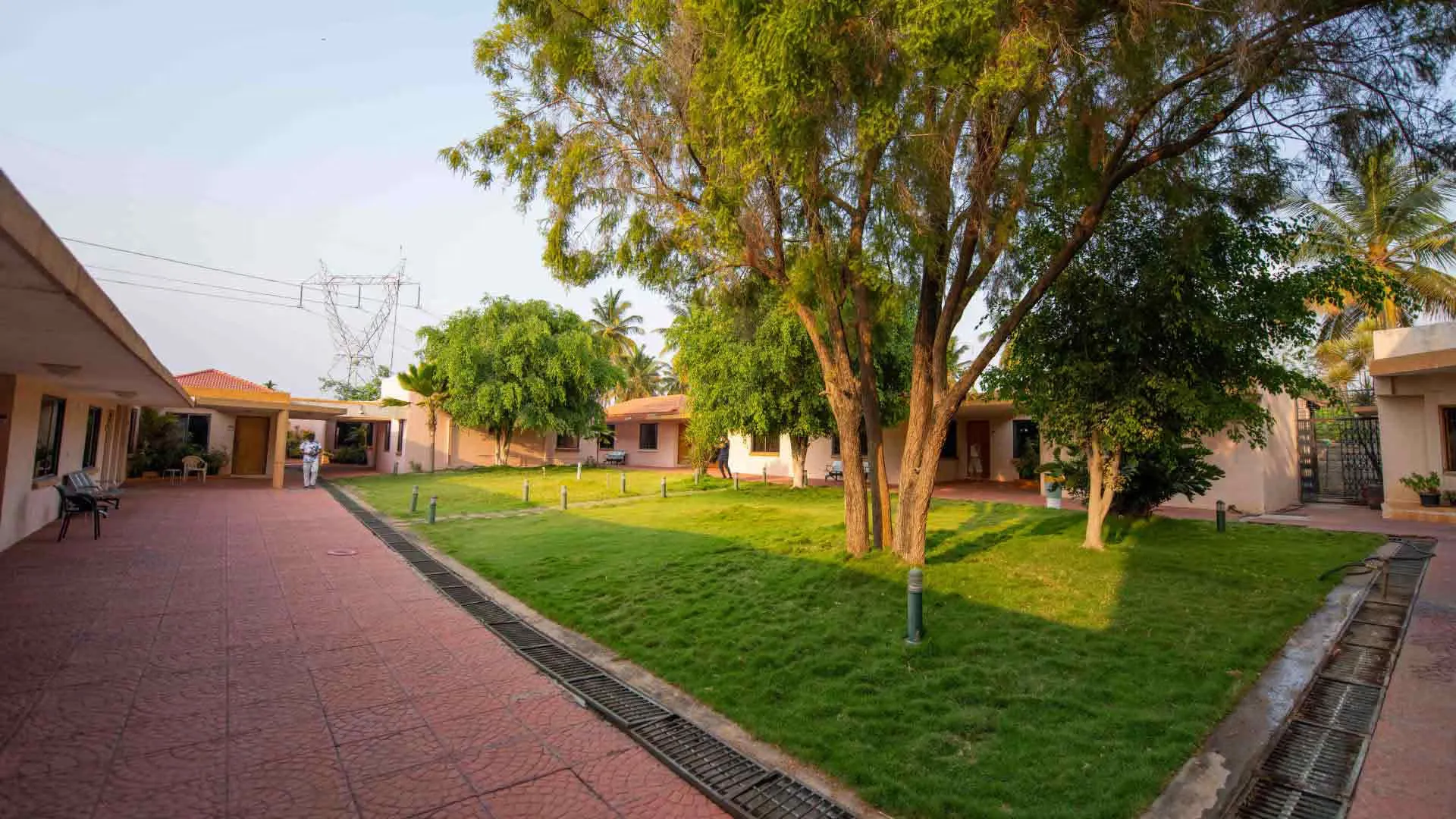
Luxury Rehabilitation Center in Bangalore, India
Read more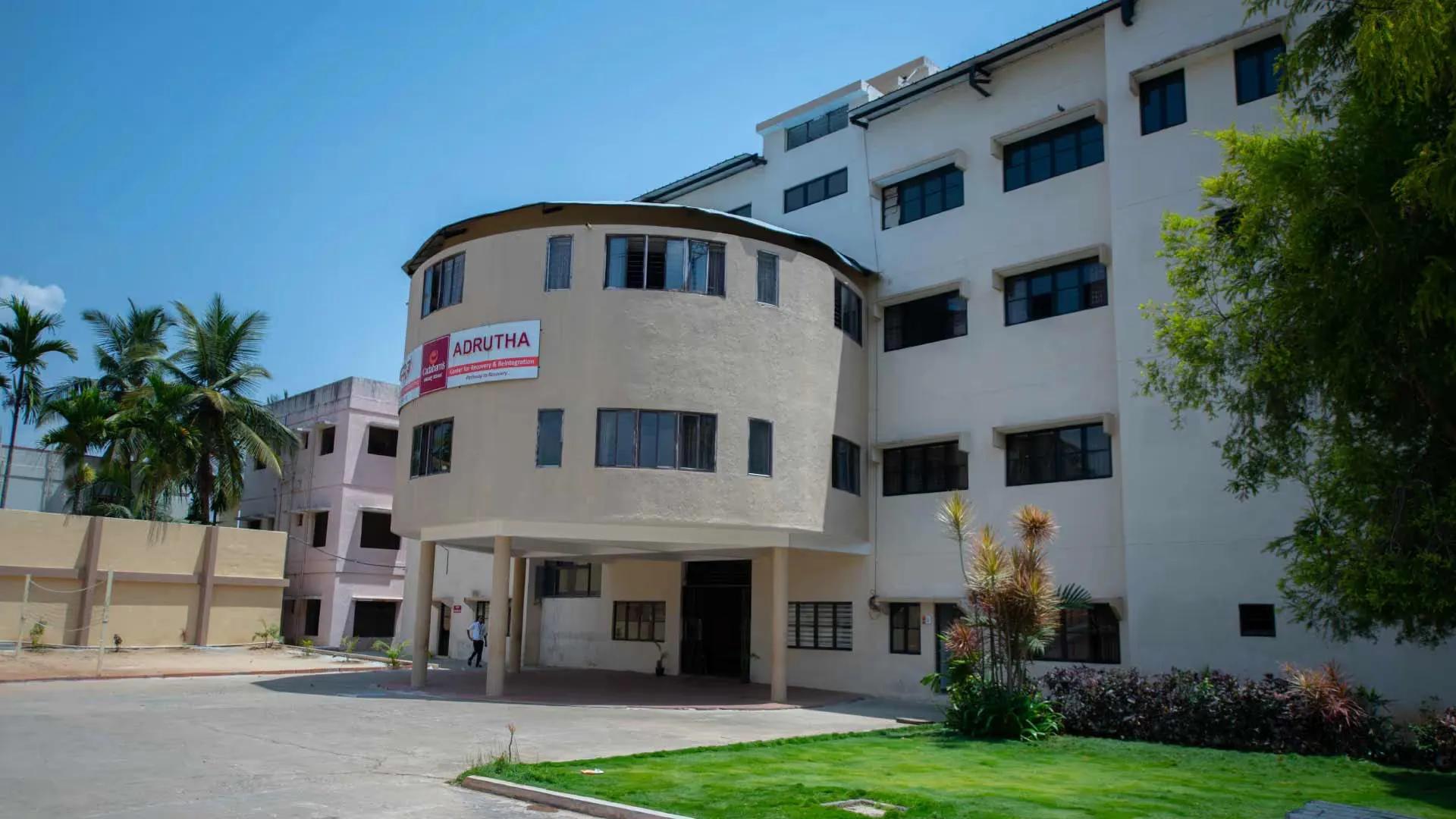
Our Affordable Rehab Centre in Bangalore
Read more
Our Advanced Mental Health Rehab Centre In Hyderabad
Read more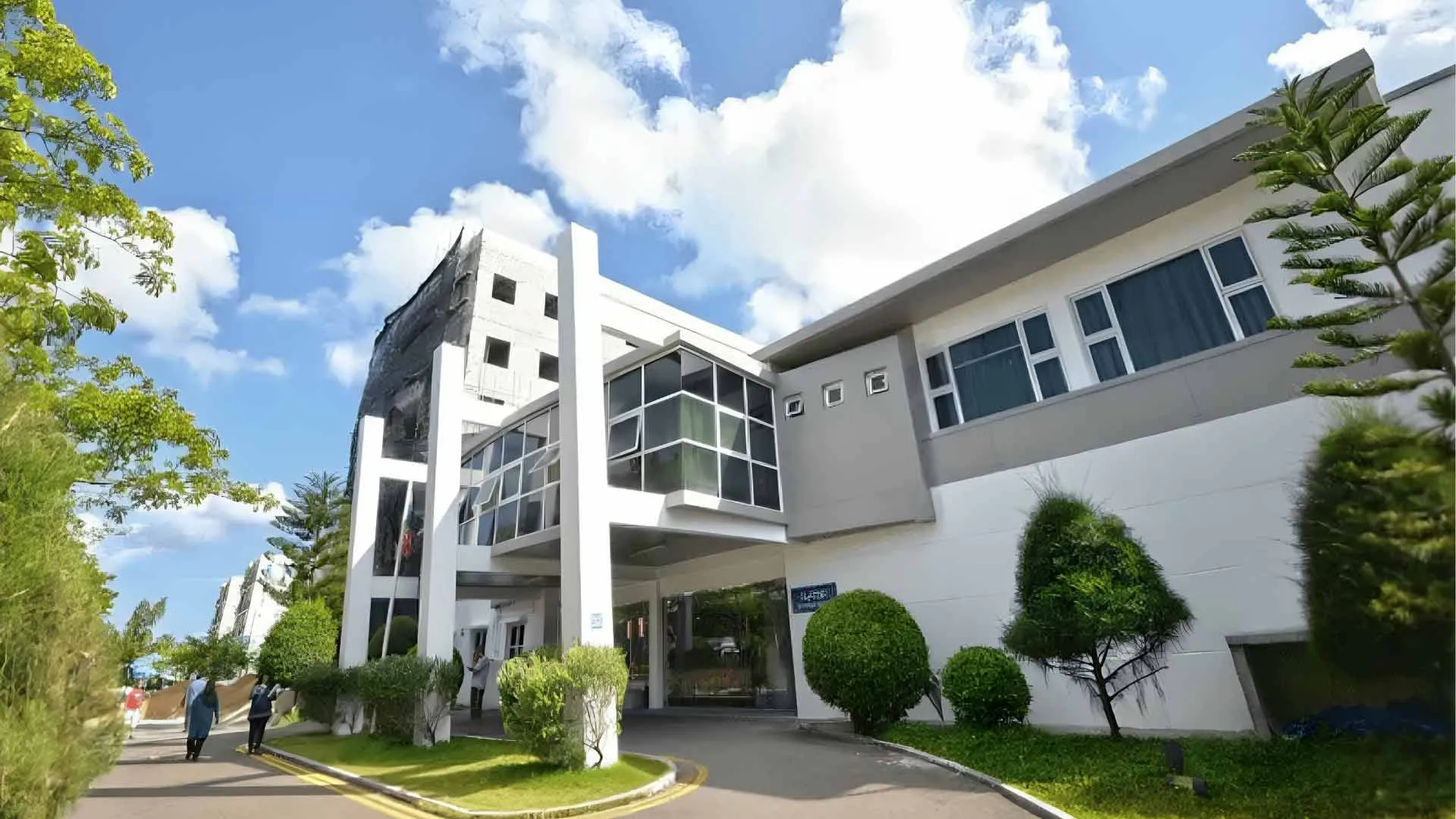
Premier Mental Health & Rehabilitation Centre in Maldives
Read moreDetails
Diagnosis begins with a thorough sleep history and physical exam. A Polysomnography (PSG) records brain and body activity overnight.
This is followed by a Multiple Sleep Latency Test (MSLT) to measure how quickly the person falls asleep during the day. In some cases, CSF hypocretin testing is also used. If you're unsure about your symptoms, a narcolepsy test can help bring clarity.
Sleep studies are the gold standard for narcolepsy tests. Overnight Polysomnography (PSG) monitors breathing, muscle tone, eye movement, and brain activity to assess sleep architecture.
The following day, the Multiple Sleep Latency Test (MSLT) evaluates how quickly a person falls asleep and how soon they enter REM—key markers of narcolepsy. Together, these tests help distinguish narcolepsy from other conditions and guide appropriate narcolepsy treatment, lifestyle adjustments, and safety planning.
Narcolepsy shares symptoms with conditions like idiopathic hypersomnia, obstructive sleep apnoea, or even depression, making diagnosis tricky. But unlike depression, narcolepsy causes sudden, uncontrollable sleep episodes, sometimes even during laughter or excitement.
And while sleep apnoea leads to fatigue, it stems from interrupted breathing during sleep, not a neurological cause. Accurate testing by a narcolepsy specialist ensures diagnostic clarity and access to the most effective therapeutic path forward.
How we help
There’s no cure, but narcolepsy can be managed effectively. A holistic approach combines medication, behavioural changes, and psychological support.
At Cadabam’s Bangalore, we build personalised narcolepsy treatment plans to enhance safety, independence, and emotional wellbeing with the support of experienced neurologists and therapists.
Doctors may prescribe Modafinil, Armodafinil, or low-dose amphetamines to boost daytime alertness and reduce excessive sleepiness. For managing cataplexy, treatments may include sodium oxybate, SSRIs, or tricyclic antidepressants, depending on individual needs.
Each medication is carefully selected based on symptom severity, lifestyle demands, and side effect tolerance. With regular follow-ups and dose adjustments, your narcolepsy therapy remains both effective and tailored to your evolving needs.
Sleep schedules matter. Regular nap breaks, going to bed at the same time, avoiding caffeine and alcohol, and creating a wind-down routine can stabilise sleep patterns.
Even small changes, like switching to blue light filters or setting alarms for naps, make a difference. At Cadabam’s, we guide each individual on realistic changes that align with daily life and work routines.
CBT helps people cope with the emotional toll of narcolepsy, especially the frustration, anxiety, depression, and social stigma it can bring. Therapy sessions focus on building resilience, developing healthy sleep routines, navigating daytime fatigue, and strengthening relationships impacted by the condition.
Support groups further create space for shared stories, validation, and practical strategies. At Cadabam’s, structured CBT is a core part of our multidisciplinary narcolepsy therapy program, offering both emotional and behavioural support.
Emergency service
Find nearest mental health center now

33+ years of focused mental healthcare, shaped by 1000+ real patient journeys.

State of the art mental health centres built for treatment and recovery.

A coordinated team of psychiatrists, psychologists, counsellors, and rehabilitation specialists supporting your care.

Support from early signs through treatment and recovery.

Treatment guided by clear plans that continue beyond diagnosis.

Planned follow ups and continued guidance to help maintain progress over time.
Inside our centres
FAQs
Patient journeys
Voices of Resilience
Paranoid Schizophrenia - Seeta's Story
Depression due to Abortion and Paranoid Schizophrenia
Read story →Voices of Resilience
Comorbid Disorders - Akash's Story
OCD, Bipolar and Substance Abuse Disoder along with Tic Disorder
Read story →Voices of Resilience
Bipolar Affective Disoder - Meena's Story
Depression, Bipolar Affective Disorder, and Obsessive Compulsive Disorder
Read story →Voices of Resilience
Borderline Personality Disorder - Sumadhra's Story
Emotionally Unstable with Borderline Personality Disorder
Read story →Voices of recovery
He started doing some work while recovering and it changed him as a person. He has since made some good progress in recovery, thank you Cadabam’s for helping my brother.
— Bharat
Cadabam’s is a really good place for longer period rehabilitation, we had a really good experience.
— Chandana K
It is a very good place. Very professional. Most patients who recover some self-awareness will know the value of this place. The centre has served the patient well.
— Anand Rajamani
I took my aunt here for her recovery. Though it took some time, she started getting better. In my experience, this place is the best rehabilitation centre for an affordable option.
— Brijesh
I stayed here for a year and saw a huge difference in my own life. My family were also so happy with my progress. Thank you so much for everything to the doctors, and the rest of the team.
— Chintan Gowda
I am extremely pleased with the entire staff for their ability, care, and expertise for the treatment, rehabilitation work, and timely action during emergencies.
— Christopher Neal
Helpline at your fingertips
+91 9611194949