
Psychiatrist
Dr. R. Priya Raghavan
Consultant Psychiatrist
21 years of experience
Treats: SLD, Autism Spectrum Disorder, Dementia, Schizophrenia, Bipolar Disorder, OCD, Drug Addiction
View profileConduct Disorder (CD) is a serious behavioural condition in children and adolescents that involves persistent patterns of aggression, rule-breaking, and antisocial behaviour, significantly impacting their daily functioning and relationships.
Understanding the conduct disorder definition is crucial for early identification and intervention.
What to look for
Meet the clinicians
Psychiatrist
Consultant Psychiatrist
21 years of experience
Treats: SLD, Autism Spectrum Disorder, Dementia, Schizophrenia, Bipolar Disorder, OCD, Drug Addiction
View profile
Psychiatrist
Consultant Psychiatrist
15 years of experience
Treats: Drug Addiction, Alcohol Dependence, Dementia, Depression, Bipolar Disorder, OCD, Personality Disorder, Schizophrenia, Autism Spectrum Disorder
View profile
Psychiatrist
Consultant Psychiatrist
15 years of experience
Treats: Schizophrenia, Alcohol Dependence, Bipolar Disorder, Depression, Drug Addiction, OCD, Personality Disorder, Autism Spectrum Disorder, Dementia, SLD
View profileWhy it happens
Conduct Disorder arises from a complex interplay of genetic predisposition, neurobiological factors, family environment, and psychological vulnerabilities. Children exposed to inconsistent parenting, trauma, or delinquent peers are at higher risk.
Neurochemical imbalances, cognitive challenges, and comorbid conditions like ADHD further increase susceptibility, guiding targeted prevention and intervention efforts.
Several inherited and biological issues contribute to Conduct Disorder, affecting brain function and behaviour regulation. Key factors include:
A family history of mental health disorders increases the risk
Neurological deficits or brain injuries affect behaviour regulation
Neurochemical imbalances influence mood and impulse control
Understanding these factors aids in comprehending the conduct disorder definition and its development.
The child’s surroundings and upbringing play a significant role in shaping behaviour. Important environmental factors are:
Exposure to violence or abuse during childhood
Parental neglect or inconsistent discipline styles
Association with delinquent or antisocial peer groups
Certain mental and cognitive challenges make children more vulnerable to developing Conduct Disorder. These include:
Low IQ or presence of learning disabilities
Poor impulse control and emotional regulation
Comorbid mental health conditions like ADHD or Oppositional Defiant Disorder (ODD)
How it presents
Conduct Disorder is classified into types based on the age of symptom onset. This classification helps mental health professionals understand the severity, likely progression, and treatment needs of each individual more accurately.
This type is diagnosed when symptoms appear before age 10. It often involves more aggressive, frequent, and disruptive behaviours, such as physical fights or bullying. Children with this type are more likely to develop antisocial behaviours in adulthood and typically require early, intensive intervention for better outcomes.
Symptoms emerge after age 10 and generally involve less aggressive behaviours, such as rule-breaking or truancy. These behaviours are often influenced by peer pressure or the social environment. This type is usually less severe and more responsive to intervention, with many adolescents improving as they mature into adulthood.
This subtype is used when the exact age of onset cannot be determined due to insufficient information. The symptoms meet the criteria for Conduct Disorder, but without clear timing, diagnosis, and treatment, it may be more challenging. It is typically a placeholder until further assessment clarifies the onset period.
Diagnosis
Conduct Disorder is diagnosed based on specific behavioural patterns identified through clinical evaluation, focusing on persistent and severe rule-breaking or aggressive actions over time. Understanding the conduct disorder diagnosis process is crucial for accurate identification.
According to the DSM-5, diagnosing Conduct Disorder requires at least three specific behaviours within the past 12 months, with one behaviour present in the past six months. These include aggression, destruction of property, deceitfulness, theft, and serious rule violations. Familiarity with these criteria aids in the conduct disorder diagnosis.
Clinicians use standardised assessment tools like structured interviews, behaviour rating scales, and reports from parents or teachers. These instruments help gather comprehensive information on symptom frequency, severity, and impact, enabling accurate conduct disorder diagnosis and treatment planning.
How we help
Early intervention and a comprehensive, multi-step treatment plan are vital for effectively managing Conduct Disorder and improving long-term outcomes. A step-by-step treatment journey helps guide patients and families from diagnosis through ongoing management. Understanding the conduct disorder treatment process is essential for effective management.
Psychotherapy is a core component of treatment for Conduct Disorder. Cognitive behavioural therapy (CBT) helps reshape negative thought patterns, while family therapy strengthens communication and emotional bonds.
Anger management techniques support emotional regulation. These therapies are central to structured rehab programs and offer tailored strategies to manage behaviours, improve relationships, and promote long-term recovery.
Parent Management Training equips caregivers with tools to handle disruptive behaviour effectively. It focuses on consistent discipline, clear communication, and enhanced use of positive reinforcement.
Delivered in rehab setups through family counselling units, this approach plays a critical role in ensuring a stable home environment that supports the child’s behavioural progress and emotional development. Understanding the significance of conduct disorder treatment is crucial for caregivers.
While no medication is approved solely for Conduct Disorder, pharmacological support can help manage co-occurring conditions like ADHD, anxiety, or depression.
Medication is integrated into structured rehab protocols to enhance therapy outcomes and reduce symptom severity. It should always be used alongside behavioural interventions and under medical supervision for maximum safety and effectiveness. Recognising the role of conduct disorder treatment is essential for comprehensive care.
Emergency service
Find nearest mental health center now
Podcast & video
Our centres

Our Specialised De-Addiction Centre in Bangalore
Read more
Long-Term Rehabilitation Center in Bangalore, India
Read more
Advanced Psychiatric Rehab Centre in Bangalore
Read more
Luxury Rehabilitation Center in Bangalore, India
Read more
Our Affordable Rehab Centre in Bangalore
Read more
Our Advanced Mental Health Rehab Centre In Hyderabad
Read more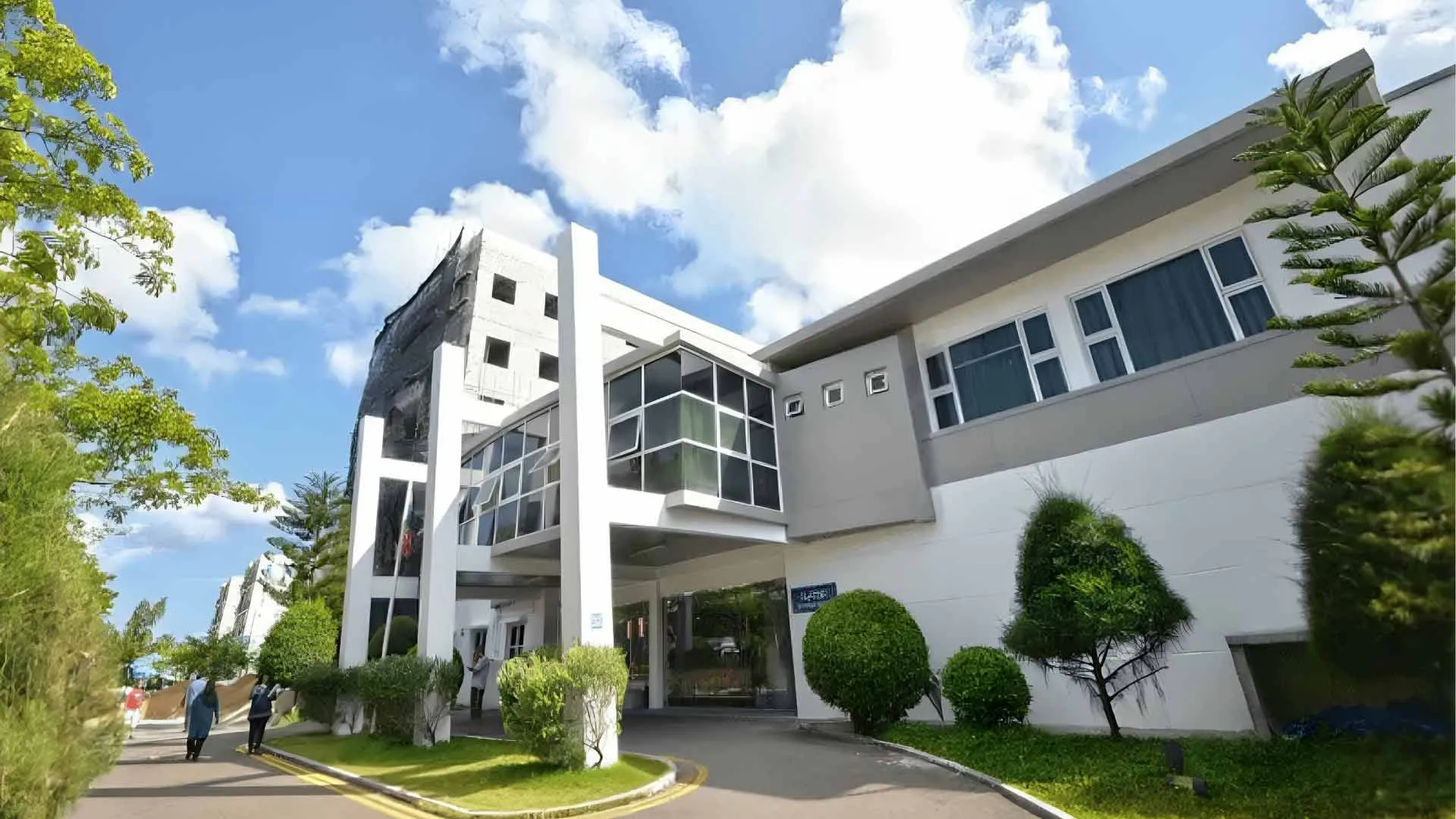
Premier Mental Health & Rehabilitation Centre in Maldives
Read moreDetails
Rehabilitation provides essential, structured support to children with Conduct Disorder, helping them develop better behaviour through consistent care, therapy, and family involvement.
Rehab provides structured, 24/7 support crucial for children with severe Conduct Disorder. With a multidisciplinary team—psychiatrists, psychologists, therapists, and caregivers — children receive consistent behavioural interventions.
Therapy plans are tailored to individual needs, with ongoing progress tracking. Family integration ensures the home environment supports change, making rehab a transformative, stable space for healing and development.
At Cadabam’s, children with Conduct Disorder receive comprehensive care through CBT, anger management, play therapy, and parent training—all under one roof. The rehab setting is safe, supportive, and stigma-free, allowing children to open up and grow.
Our focus extends beyond behaviour to reintegration—improving school performance, peer interactions, and daily routines for long-term success.
Recognising when to seek professional help is crucial for managing Conduct Disorder effectively. Key signs include:
Persistent aggressive behaviour that harms others
Frequent violations of rules at home, school, or in the community
Lack of remorse or guilt after wrongdoing
Rehabilitation becomes essential when outpatient therapy does not lead to improvement.
Details
Recognising the signs early and seeking help can transform a child’s life, guiding them toward healthier behaviour and a brighter future with the right support and treatment.
Early intervention is key to preventing serious consequences like school expulsion or police involvement. Addressing behavioural issues promptly helps children develop better coping skills and reduces the risk of long-term problems.
Professional guidance ensures that deep-rooted behavioural challenges are properly addressed. Cadabam’s rehab programs provide expert care and tailored therapies that support lasting positive change and improved well-being for children with Conduct Disorder. Experts often deal with both oppositional defiant disorder and conduct disorder, ensuring care is tailored to the child’s exact needs.
Families receive crucial support through family therapy and caregiver counselling, which are integral parts of Cadabam’s inpatient rehabilitation. This helps improve family dynamics and provides caregivers with tools to support the child’s recovery.
Children in rehabilitation programs experience faster social, academic, and emotional recovery. Structured rehab care offers a supportive environment that fosters growth and helps children rebuild confidence and healthy relationships.
If you are searching for a solution to your problem, Cadabam’s Rehabilitation Centre can help you with its team of specialised experts. We have been helping thousands of people live healthier and happier lives for 33+ years. We leverage evidence-based approaches and holistic treatment methods to help individuals effectively manage their Conduct Disorder. Get in touch with us today. You can call us at +91 96111 94949.

33+ years of focused mental healthcare, shaped by 1000+ real patient journeys.

State of the art mental health centres built for treatment and recovery.

A coordinated team of psychiatrists, psychologists, counsellors, and rehabilitation specialists supporting your care.

Support from early signs through treatment and recovery.

Treatment guided by clear plans that continue beyond diagnosis.

Planned follow ups and continued guidance to help maintain progress over time.
Inside our centres
FAQs
Patient journeys
Voices of Resilience
Paranoid Schizophrenia - Seeta's Story
Depression due to Abortion and Paranoid Schizophrenia
Read story →Voices of Resilience
Comorbid Disorders - Akash's Story
OCD, Bipolar and Substance Abuse Disoder along with Tic Disorder
Read story →Voices of Resilience
Bipolar Affective Disoder - Meena's Story
Depression, Bipolar Affective Disorder, and Obsessive Compulsive Disorder
Read story →Voices of Resilience
Borderline Personality Disorder - Sumadhra's Story
Emotionally Unstable with Borderline Personality Disorder
Read story →Voices of recovery
My son has rebuilt his life through rehabilitation at Cadabam’s. The supported employment there helped him immensely as well.
— Mahesh
Supported employment at Cadabam’s really helped my son find purpose in life again. I found him looking forward to each day again and it helped his recovery so much.
— Karun
The short-term rehab plan at Cadabam’s really helped my child beat his disorder. Thank you team Cadabam’s!
— Karishma D
I had a great experience here. It was affordable, clean and the doctors really care about the patients. They were so understanding and helped me a lot in my recovery process.
— Lohith M
The rooms were so spacious and clean. Good food, and compassionate staff. Special shoutout to Dr. Madhukar for helping my son.
— Giridhar
Cadabam’s helped me recover. I am very thankful. Luxurious stay at Tri-Star, and experienced team helped me a lot.
— Lahari
Helpline at your fingertips
+91 9611194949