Psychiatrist
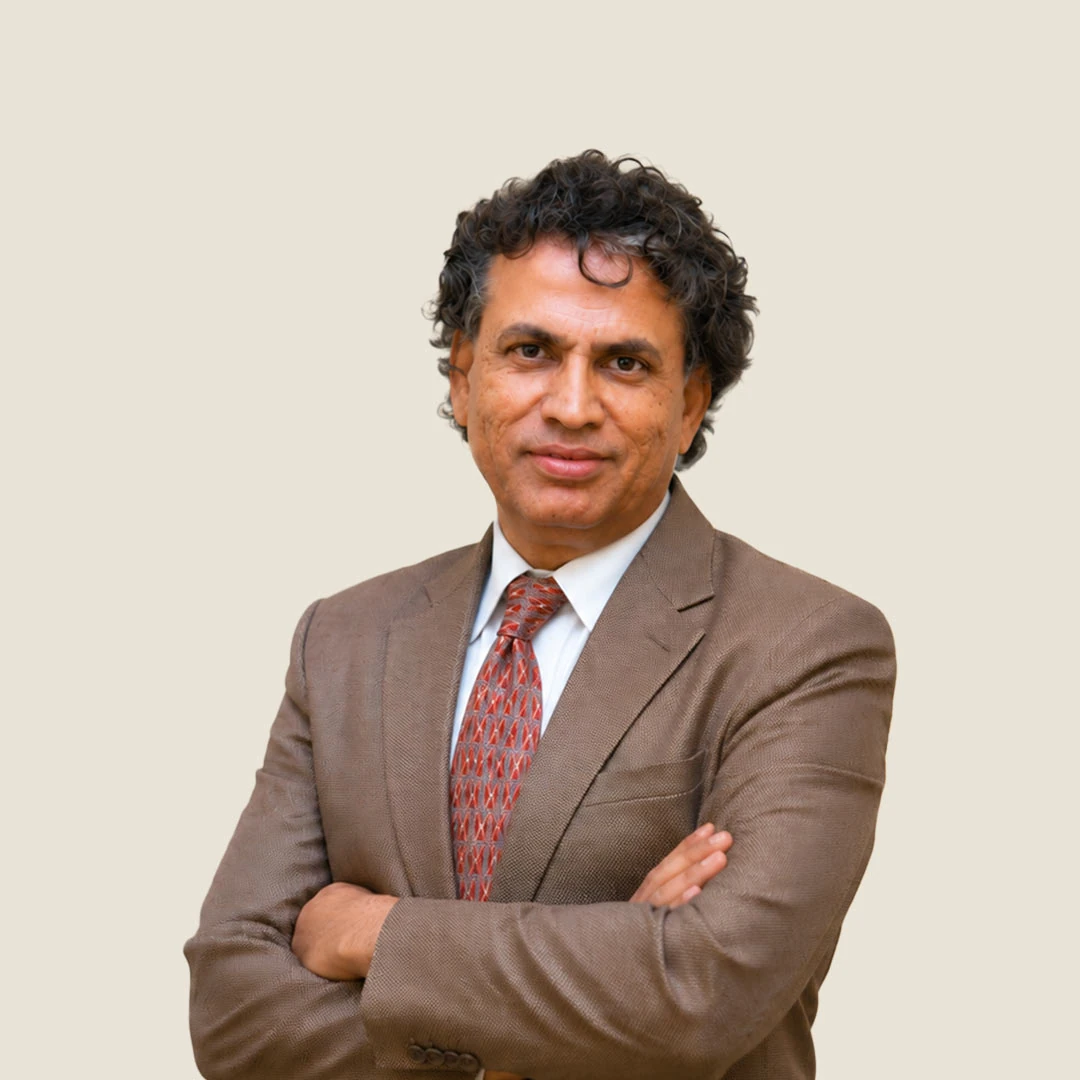
Dr. B. R. Madhukar
Medical Director
25 years of experience
Treats: Alcohol Dependence, Bipolar Disorder, Dementia, Schizophrenia, Drug Addiction, Personality Disorder, OCD
View profileAnxiety is more than momentary worry. It’s a common yet often misunderstood mental health challenge.
When everyday fear becomes persistent and intrusive, it may signal an anxiety disorder, one that affects thought patterns, behaviour, and overall well-being.
What to look for
Meet the clinicians
Psychiatrist
Medical Director
25 years of experience
Treats: Alcohol Dependence, Bipolar Disorder, Dementia, Schizophrenia, Drug Addiction, Personality Disorder, OCD
View profile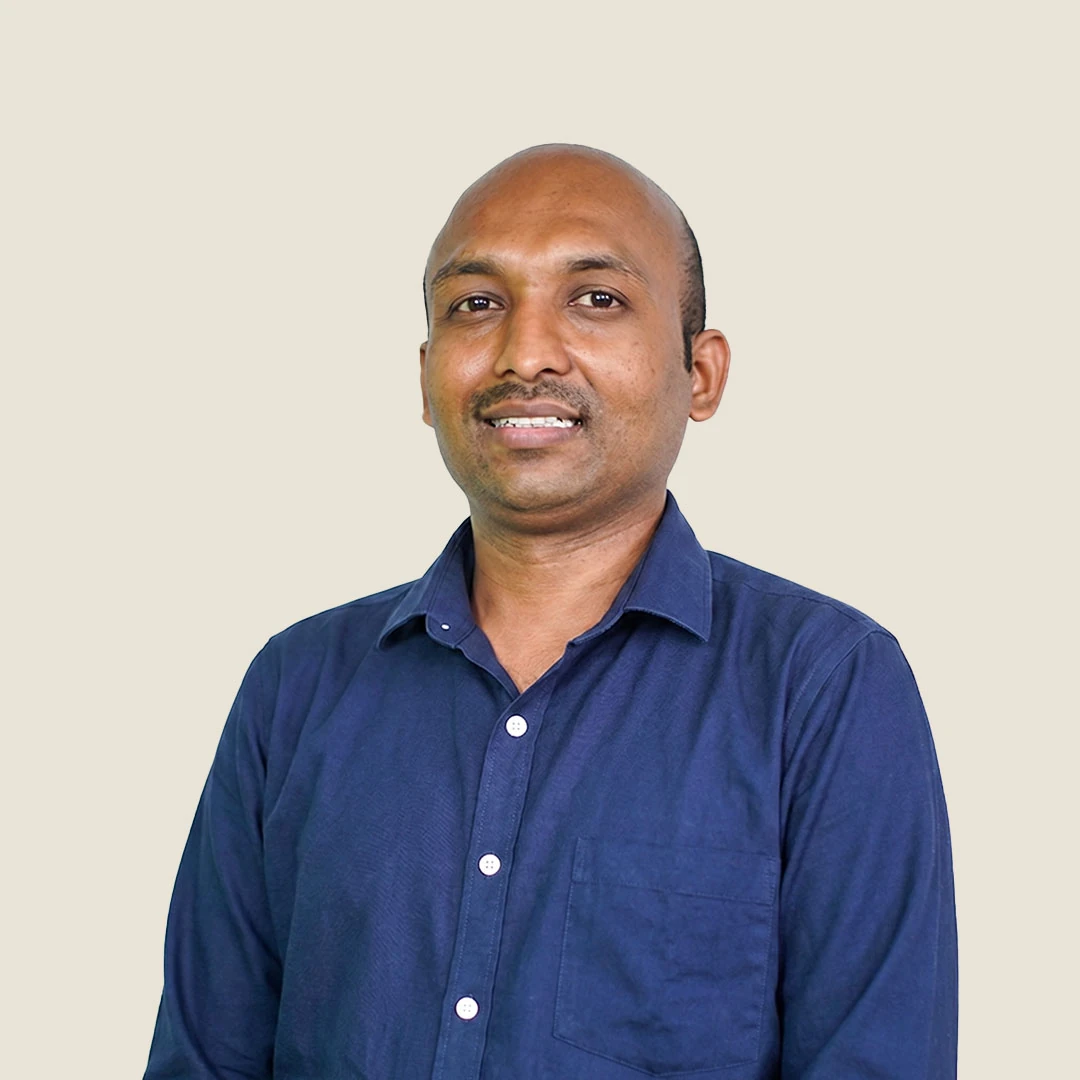
Psychiatrist
Consultant Psychiatrist
15 years of experience
Treats: Drug Addiction, Alcohol Dependence, Dementia, Depression, Bipolar Disorder, OCD, Personality Disorder, Schizophrenia, Autism Spectrum Disorder
View profile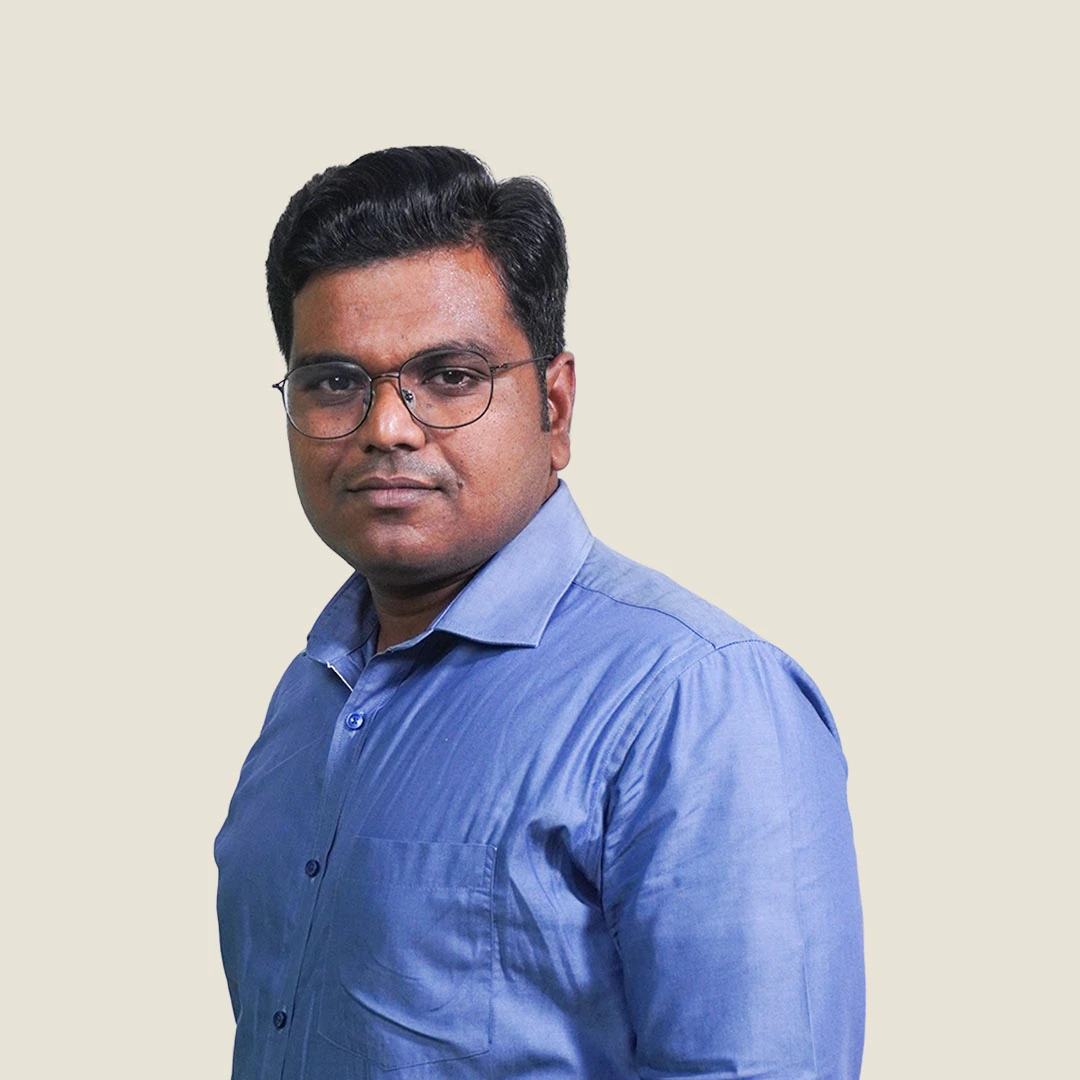
Psychiatrist
Consultant Psychiatrist
7 years of experience
Treats: Depression, Schizophernia, Alcohol Dependence, Bipolar Disorder Drug Addiction, OCD, Personality Disorder
View profilePsychologist
Consultant Clinical Psychologist
10+ years of experience
Treats: Depression, Personality Disorder, Bipolar Disorder, OCD
View profile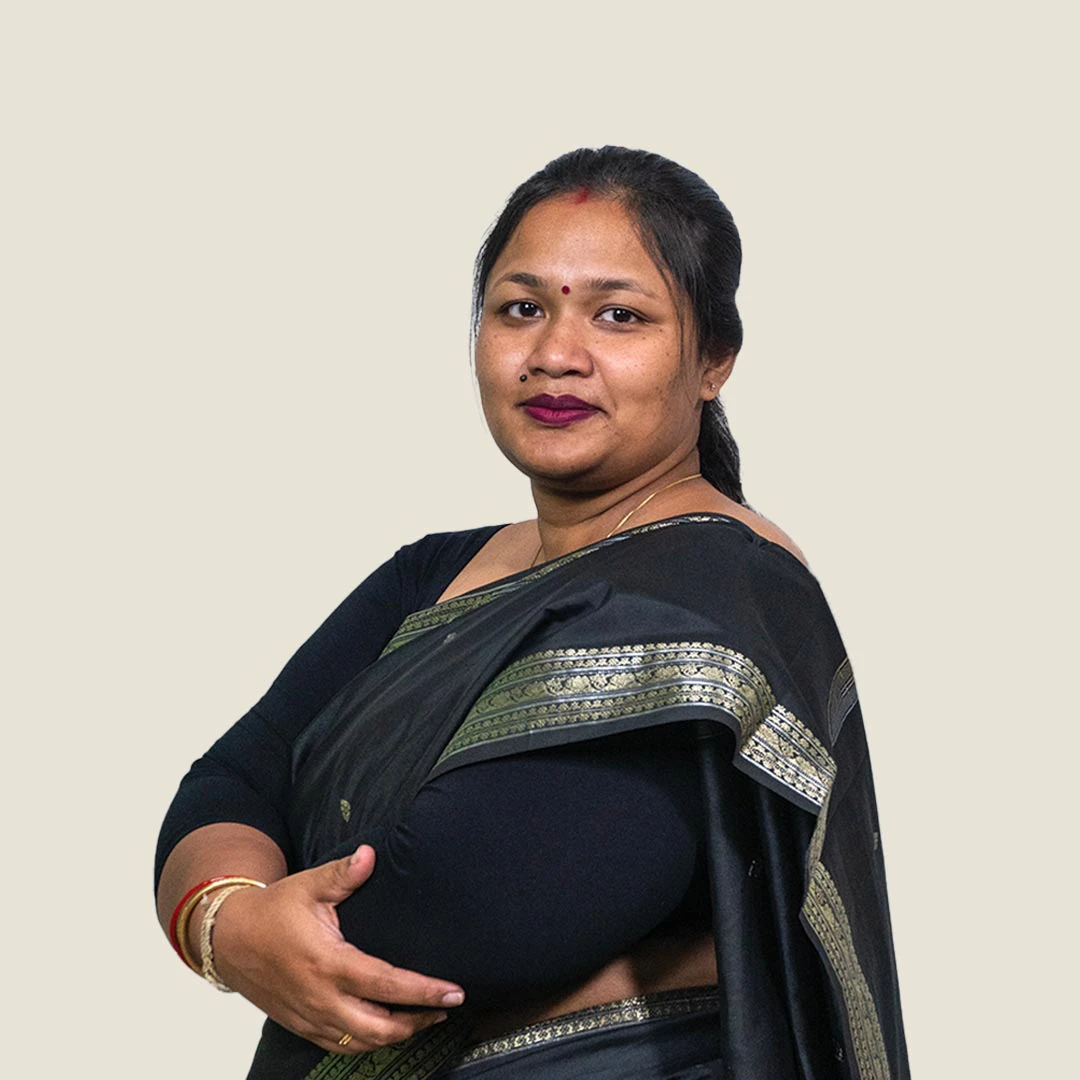
Psychologist
Clinical Psychologist
11 years of experience
Treats: OCD, Depression, Autism Spectrum Disorder, Dementia, SLD
View profileWhy it happens
Anxiety disorders often arise from a complex mix of biological, psychological, and environmental factors. Understanding these influences can help individuals and families make sense of their symptoms and seek targeted care.
Anxiety often runs in families, not just through learned behaviours, but through inherited brain chemistry. Genetic predispositions may affect how the brain regulates mood and responds to stress.
Individuals with close relatives who have anxiety are more likely to experience it themselves.
Altered levels of serotonin, norepinephrine, and GABA can heighten sensitivity to stress.
This brain region processes fear and may react more intensely in anxious individuals.
Life experiences can shape how the brain responds to fear and stress. Many individuals with anxiety disorders report past trauma or ongoing environmental pressures.
Early adversity can lead to long-term emotional vulnerability.
Events like divorce, job loss, or relocation can trigger or worsen anxiety.
Constant demands may overwhelm coping capacity, especially in perfectionistic individuals.
Certain personality traits and habitual coping mechanisms can increase one’s risk of developing an anxiety disorder over time.
Individuals who fear making mistakes often live in chronic tension.
Avoiding feared situations can provide short-term relief but worsen anxiety long-term.
Constant fear of judgement can make everyday interactions feel threatening.
People with avoidant coping styles may unknowingly reinforce their symptoms of anxiety by continuously evading situations that challenge their fears.
How it presents
Anxiety isn’t one-size-fits-all. There are several subtypes of anxiety disorders each with distinct patterns, triggers, and symptoms. Understanding the differences is key to getting the right diagnosis and anxiety disorder treatment.
GAD is one of the most common and persistent anxiety disorders. People with GAD experience constant worry about everyday matters health, finances, work, even when there's little cause for concern. This often leads to:
Restlessness and irritability
Muscle tension and fatigue
Difficulty concentrating
Sleep disturbances
These anxiety symptoms can feel overwhelming and hard to switch off.
Panic disorder is marked by sudden, intense episodes of fear. These panic attacks can feel like a heart attack, often without warning. Common signs include:
Chest pain or rapid heartbeat
Dizziness or shortness of breath
Fear of losing control
Persistent worry about future attacks
The fear of another episode can lead to avoidance and isolation, amplifying anxiety disorder symptoms and making professional anxiety treatment essential.
This disorder goes beyond shyness it’s an intense fear of being judged or embarrassed. People with social anxiety often avoid:
Speaking in public or group settings
Eating or writing in front of others
Making eye contact
Starting conversations
These fears can interfere with relationships, academics, and career opportunities.
While often seen in childhood, both conditions can persist into adulthood if left untreated.
Main Separation Anxiety: Intense distress when away from loved ones or familiar environments
Selective Mutism: Inability to speak in specific social settings despite being able to speak comfortably elsewhere
Both can impact education, work, and relationships.
Agoraphobia involves a fear of being in situations where escape might feel difficult or help be unavailable. It often develops after repeated panic attacks and may include avoidance of:
Crowded places
Public transport
Open spaces
Being alone outside
In severe cases, individuals may feel safest only at home, worsening anxiety symptoms if anxiety disorder treatment is delayed.
Rehabilitation for anxiety goes beyond symptom management it’s about rebuilding confidence, independence, and emotional resilience.
At Cadabam’s, we combine evidence-based therapies with lifestyle coaching, peer support, and family involvement to ensure holistic recovery.
Rehab also provides structure and consistency, helping individuals break the cycle of avoidance, regain functionality, and return to daily life with renewed strength.
At Cadabam’s, we don’t just treat symptoms, we support recovery. Our anxiety care programmes are backed by decades of expertise, compassionate professionals, and cutting-edge interventions.
From outpatient therapy to structured rehabilitation, we ensure each person receives the care that’s right for them. Our patient-centric approach empowers individuals and families to move forward with hope and confidence.
If you are searching for a solution to your problem, Cadabam’s Rehabilitation Centre can help you with its team of specialised experts. We have been helping thousands of people live healthier and happier lives for 33+ years. We leverage evidence-based approaches and holistic treatment methods to help individuals effectively manage their Anxiety Disorders. Get in touch with us today. You can call us at +91 96111 94949.
Podcast & video
Our centres

Our Specialised De-Addiction Centre in Bangalore
Read more
Long-Term Rehabilitation Center in Bangalore, India
Read more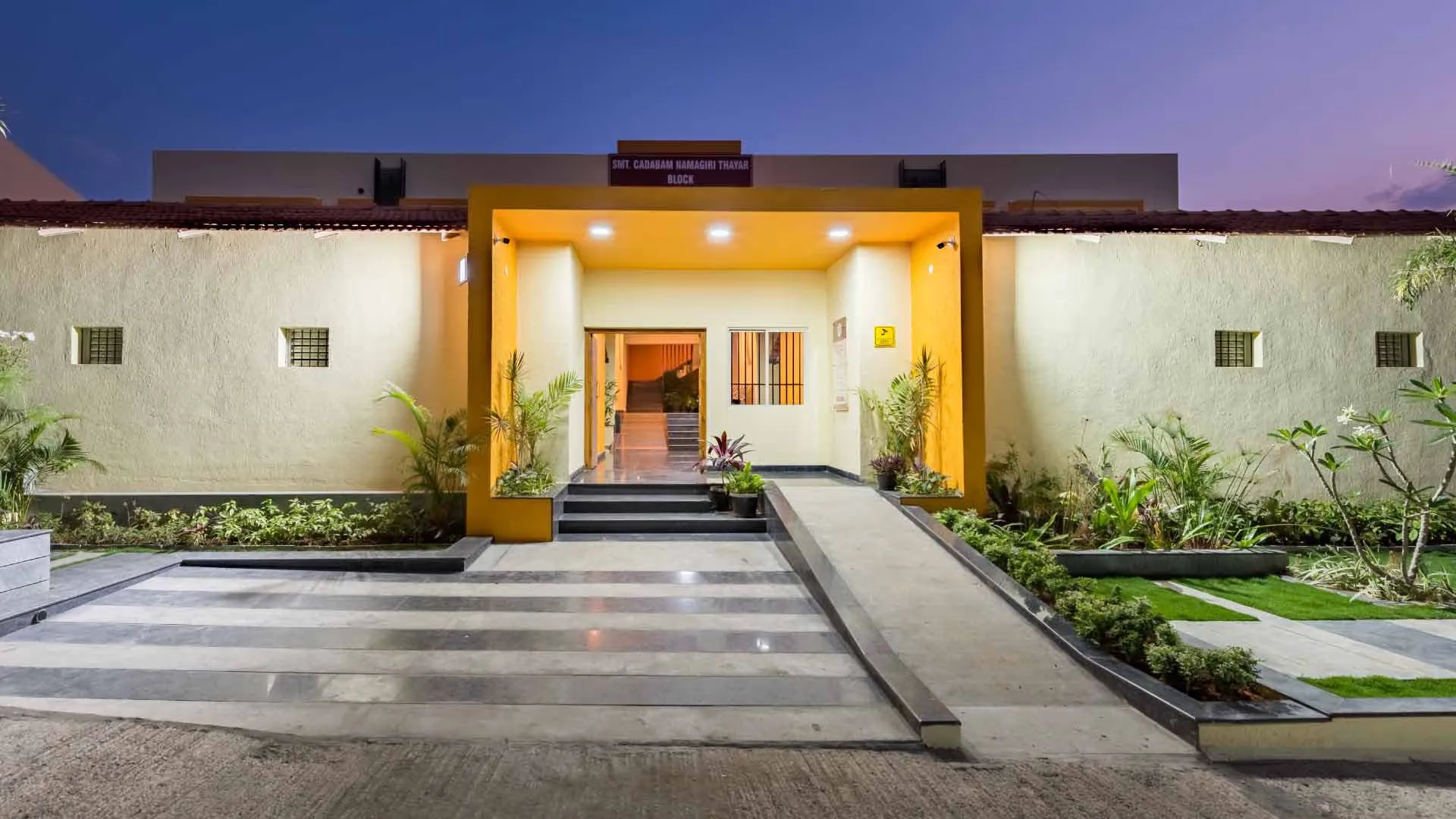
Advanced Psychiatric Rehab Centre in Bangalore
Read more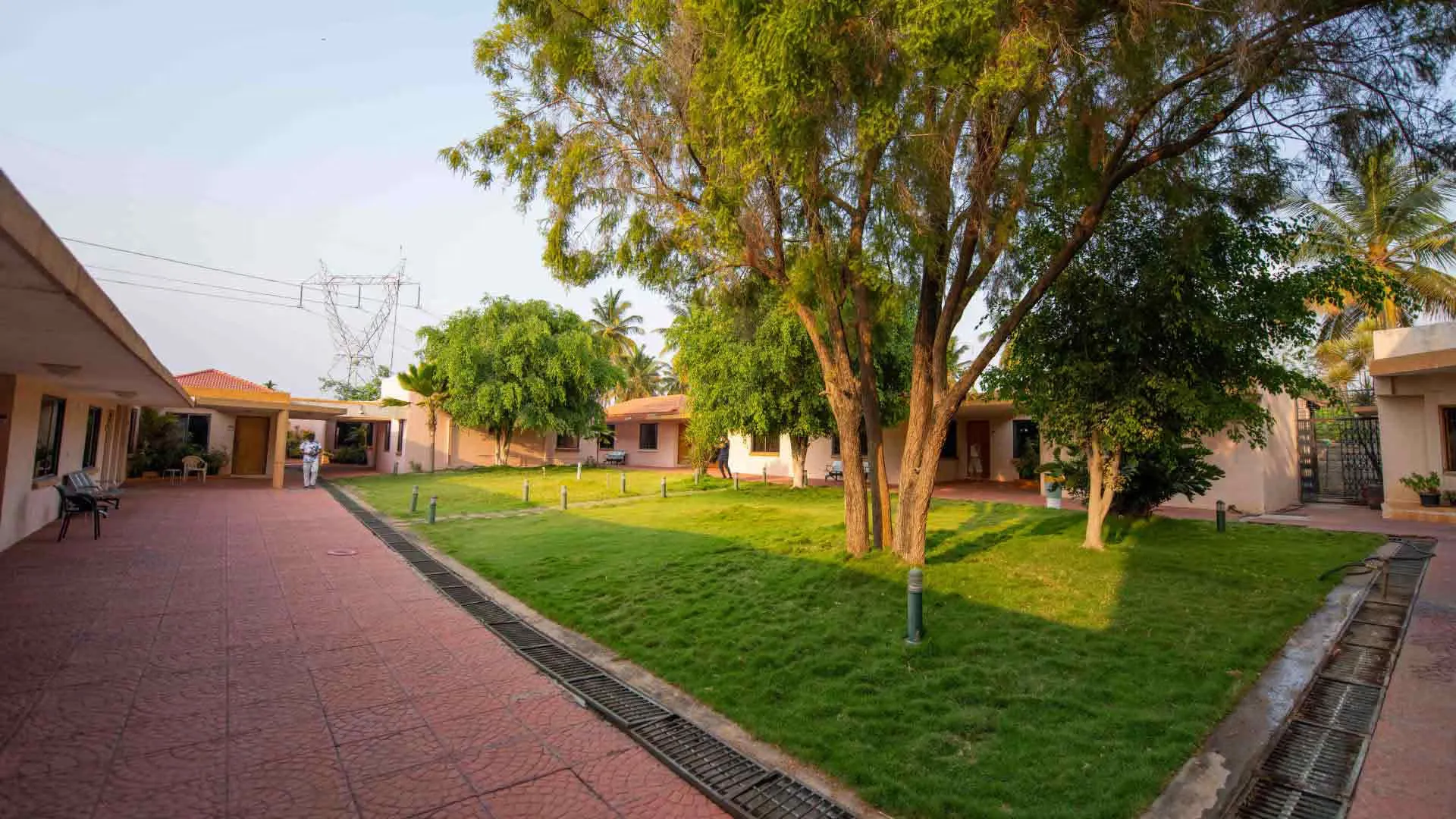
Luxury Rehabilitation Center in Bangalore, India
Read more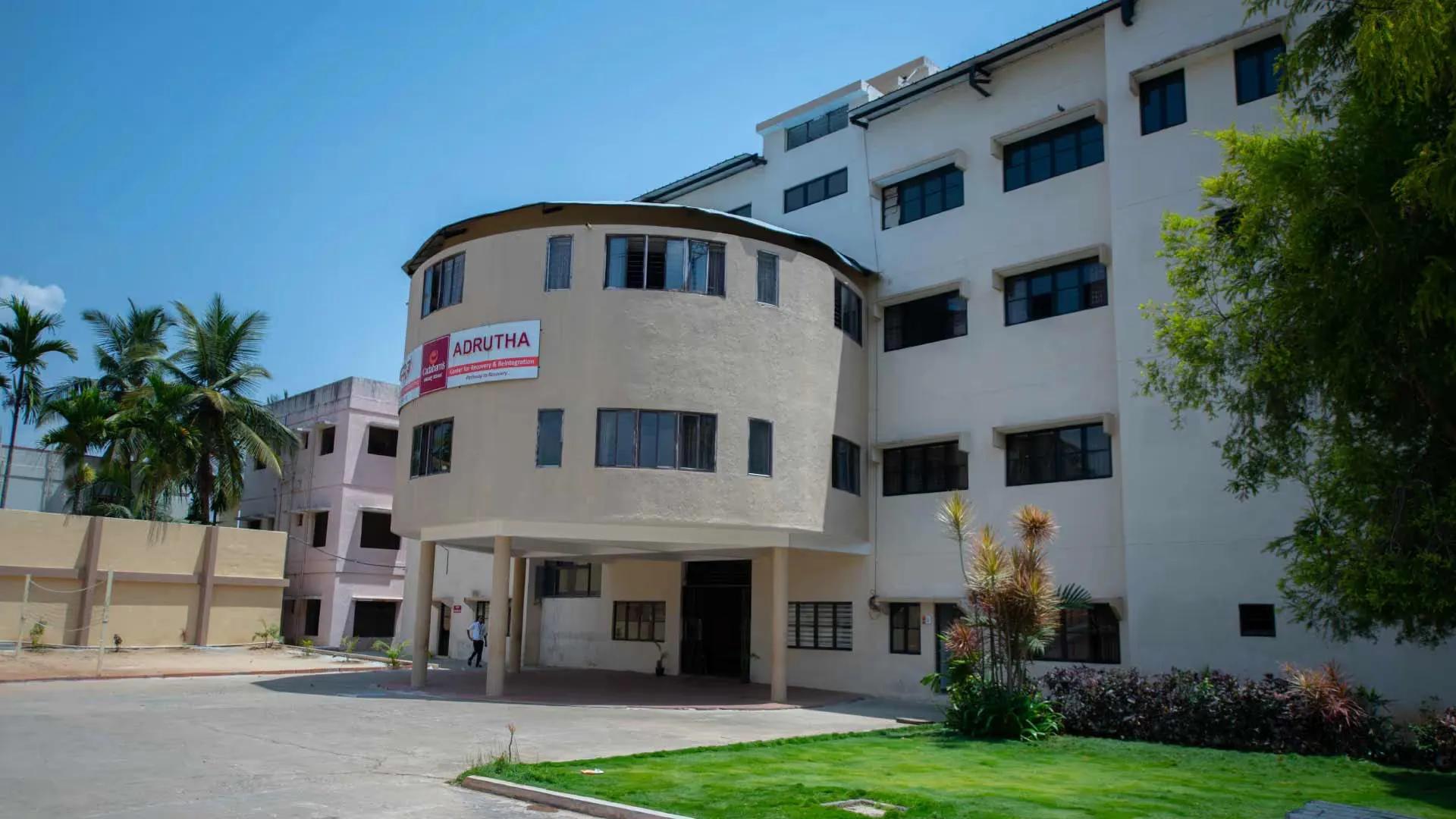
Our Affordable Rehab Centre in Bangalore
Read more
Our Advanced Mental Health Rehab Centre In Hyderabad
Read more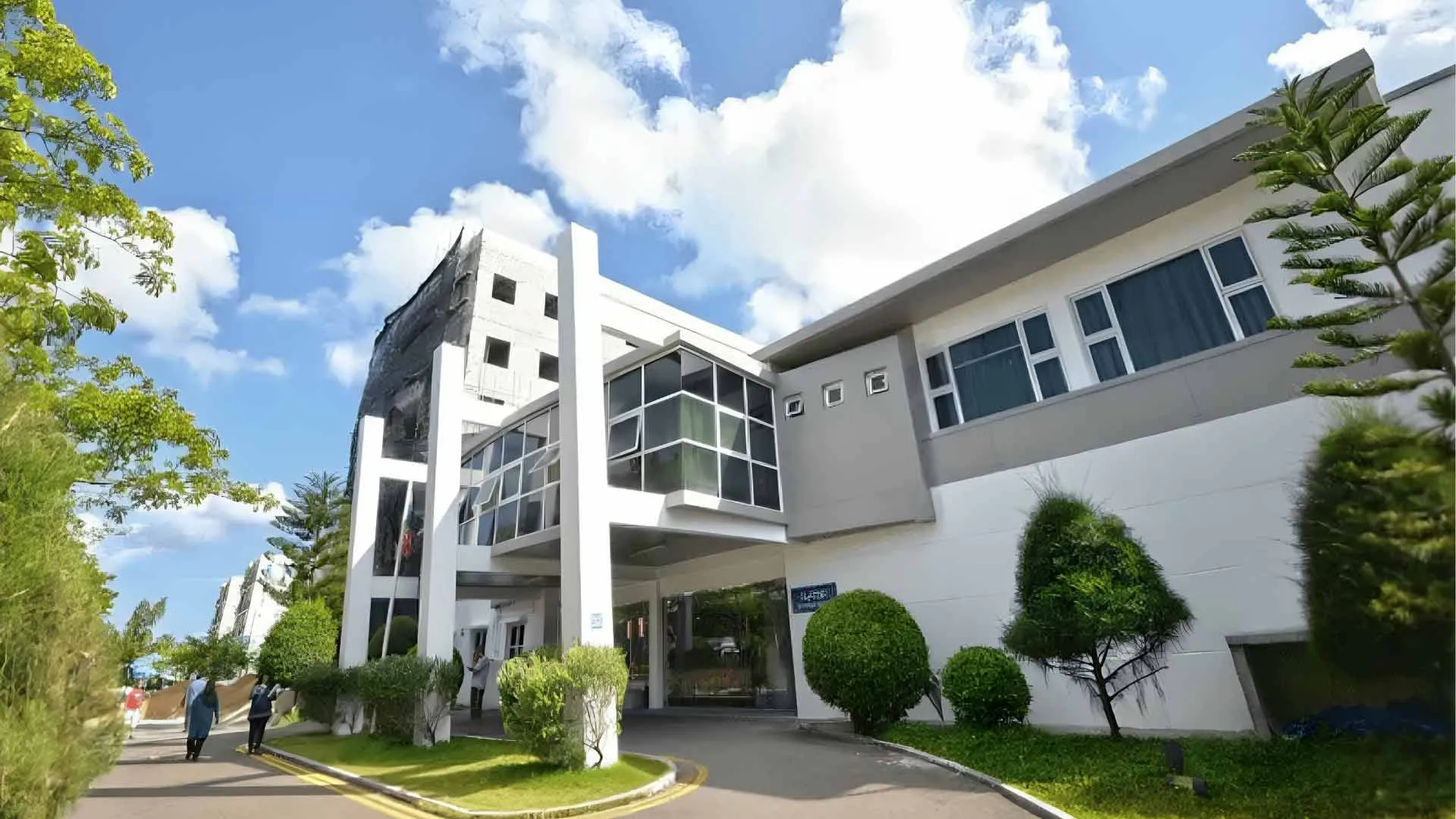
Premier Mental Health & Rehabilitation Centre in Maldives
Read moreDetails
Identifying an anxiety disorder requires more than recognising worry it involves understanding its persistence and impact.
At Cadabam’s, we ensure thorough, evidence-based assessments to distinguish clinical anxiety from everyday stress and guide the right course of treatment.
A proper diagnosis is made using structured tools to evaluate severity, triggers, and functional impact.
A 7-item scale assessing generalised anxiety symptoms over the past two weeks.
Widely used by clinicians to rate both psychic and somatic anxiety.
In-depth sessions help rule out other conditions and guide personalised care plans.
While occasional worry is common, certain signs signal the need for immediate support:
When anxiety disrupts work, school, or relationships.
Especially if paired with feelings of hopelessness.
Recurring episodes of sudden fear and physical distress.
Used as a coping mechanism for anxiety symptoms.
How we help
Anxiety treatment isn’t one-size-fits-all. At Cadabam’s, we offer a range of personalised interventions blending evidence-based therapy, medication, and holistic practices—tailored to each individual’s journey towards long-term recovery and emotional wellbeing.
Cognitive Behavioural Therapy (CBT) is the gold standard for treating anxiety. It helps individuals recognise unhelpful thought patterns and develop healthier responses.
Exposure Therapy complements CBT by gradually confronting feared situations in a safe, controlled manner, reducing avoidance and building confidence over time.
Medication plays a supportive role in managing anxiety disorder symptoms. At Cadabam’s, psychiatric care is integrated with therapy to ensure safe and effective use. Our focus is on tailoring medications based on your needs, monitoring side effects, and supporting long-term recovery.
At Cadabam’s, anxiety care extends beyond medication and therapy. We integrate holistic approaches that strengthen mind-body balance and build resilience.
Techniques like yoga, breathing exercises, nutritional support, and expressive therapies help reduce stress, improve emotional regulation, and support long-term recovery—especially when used alongside clinical treatment.
No two individuals experience anxiety in the same way. That’s why we prioritise personalised care at Cadabam’s.
Our multidisciplinary team, including psychiatrists, therapists, and rehabilitation experts who work together to create tailored treatment plans that align with each person’s symptoms, goals, and lifestyle. This ensures more effective, lasting recovery.
Emergency service
Find nearest mental health center now

33+ years of focused mental healthcare, shaped by 1000+ real patient journeys.

State of the art mental health centres built for treatment and recovery.

A coordinated team of psychiatrists, psychologists, counsellors, and rehabilitation specialists supporting your care.

Support from early signs through treatment and recovery.

Treatment guided by clear plans that continue beyond diagnosis.

Planned follow ups and continued guidance to help maintain progress over time.
Inside our centres
FAQs
Patient journeys
Voices of Resilience
Paranoid Schizophrenia - Seeta's Story
Depression due to Abortion and Paranoid Schizophrenia
Read story →Voices of Resilience
Comorbid Disorders - Akash's Story
OCD, Bipolar and Substance Abuse Disoder along with Tic Disorder
Read story →Voices of Resilience
Bipolar Affective Disoder - Meena's Story
Depression, Bipolar Affective Disorder, and Obsessive Compulsive Disorder
Read story →Voices of Resilience
Borderline Personality Disorder - Sumadhra's Story
Emotionally Unstable with Borderline Personality Disorder
Read story →Voices of recovery
He started doing some work while recovering and it changed him as a person. He has since made some good progress in recovery, thank you Cadabam’s for helping my brother.
— Bharat
Cadabam’s is a really good place for longer period rehabilitation, we had a really good experience.
— Chandana K
It is a very good place. Very professional. Most patients who recover some self-awareness will know the value of this place. The centre has served the patient well.
— Anand Rajamani
I took my aunt here for her recovery. Though it took some time, she started getting better. In my experience, this place is the best rehabilitation centre for an affordable option.
— Brijesh
I stayed here for a year and saw a huge difference in my own life. My family were also so happy with my progress. Thank you so much for everything to the doctors, and the rest of the team.
— Chintan Gowda
I am extremely pleased with the entire staff for their ability, care, and expertise for the treatment, rehabilitation work, and timely action during emergencies.
— Christopher Neal
Further reading
Helpline at your fingertips
+91 9611194949