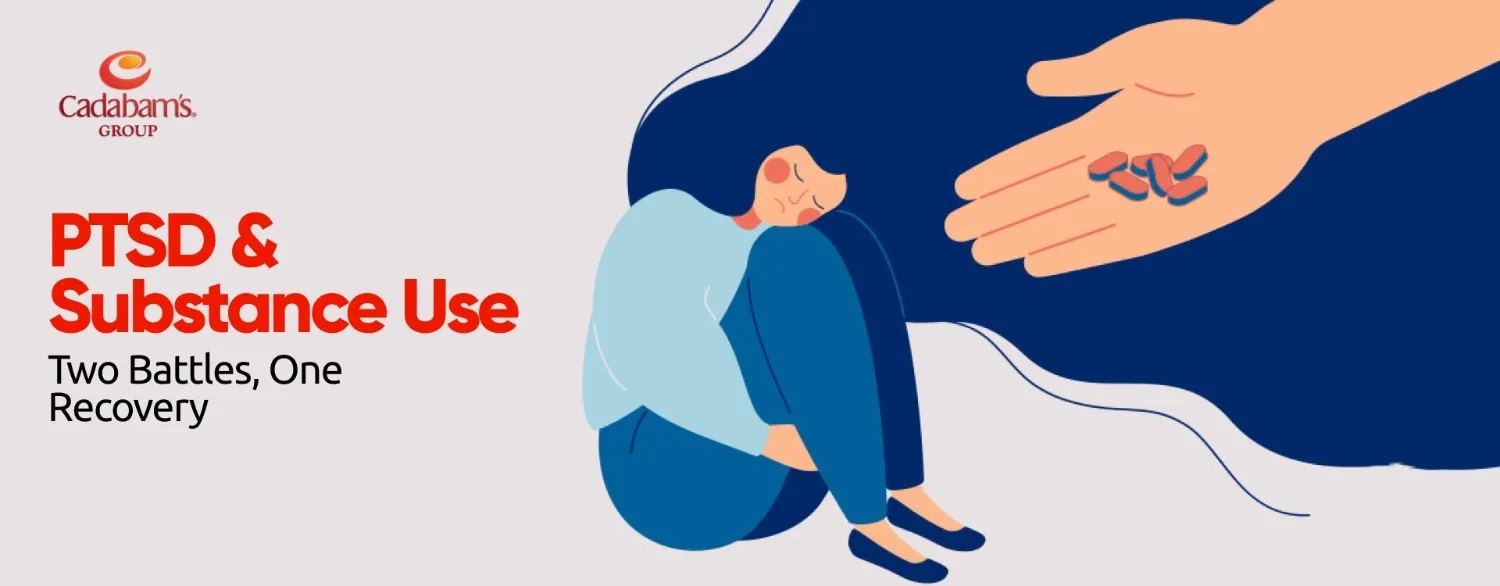
Recovering from trauma does not always follow a straight path, and recognising PTSD warning signs early is essential for maintaining stability and preventing symptom escalation. PTSD relapse symptoms often begin subtly, appearing as sleep disturbances, emotional withdrawal, anxiety, or increased hypervigilance.
Identifying PTSD return early allows individuals to seek timely support, strengthen coping strategies, and prevent a full relapse. Understanding how symptoms re-emerge and what actions to take can significantly improve long-term recovery outcomes and emotional resilience.
What Is PTSD, and Why Do PTSD Signs Reappear During Recovery?
Post-Traumatic Stress Disorder (PTSD) is a trauma-related mental health condition that affects how the brain responds to stress, fear, and perceived threats. PTSD warning signs can reappear during recovery because trauma affects the nervous system’s sensitivity to triggers, stress, and emotional overload. Even after progress in therapy, certain situations, life changes, or prolonged stress can reactivate trauma responses.
Recognising early symptom changes and identifying PTSD return allows individuals to respond quickly, adjust coping strategies, and prevent symptoms from worsening.
What Are The Main PTSD Warning Signs To Watch For During Recovery?
PTSD warning signs during recovery often appear as early changes in emotional regulation, stress response, and daily functioning. These signs indicate increased nervous system activation and possible PTSD relapse symptoms.
Common PTSD warning signs include:
- Increased anxiety or emotional distress
- Sleep disturbances or trauma-related nightmares
- Emotional withdrawal or reduced engagement
- Hypervigilance or feeling constantly on edge
- Increased irritability or difficulty coping with stress
Identifying PTSD return at this stage helps prevent further symptom progression.
How Does Recovery Progress, and Why Is Monitoring Symptoms Important?
PTSD recovery focuses on building coping skills, emotional awareness, and resilience. While symptoms often improve over time, stress or triggers can temporarily reactivate trauma responses.
Monitoring PTSD warning signs allows individuals and mental health professionals, including trauma specialists at Cadabam’s, to detect early changes and provide timely support. Early intervention helps reduce the severity and duration of PTSD relapse symptoms and supports continued recovery progress.
How Can You Recognise When PTSD Symptoms Are Returning?
A bad day or a temporary increase in symptoms is a normal part of recovery. A relapse, however, involves a more persistent and significant return of symptoms that disrupt your daily life. Differentiating between the two involves observing the duration, intensity, and impact of the symptoms on your ability to function.
What are the Physical Warning Signs of PTSD Return?
Physical changes are often the earliest indicators of PTSD relapse symptoms. These signs reflect increased nervous system activation and stress response. Recognising physical PTSD warning signs early helps individuals take preventive action and maintain emotional stability.
Sleep Disturbances as PTSD Warning Signs
Sleep disruption is one of the most common and earliest PTSD warning signs during recovery. Changes in sleep patterns often indicate increased emotional stress and nervous system activation.
Common sleep-related warning signs include:
- Trauma-related nightmares returning or increasing
- Difficulty falling asleep or staying asleep
- Frequent waking during the night
- Feeling physically and mentally exhausted
Persistent sleep disturbances can worsen emotional regulation and increase vulnerability to PTSD relapse symptoms.
Hypervigilance as a Physical PTSD Warning Sign
Hypervigilance is one of the most recognisable physical PTSD warning signs during recovery. It occurs when the nervous system remains in a constant state of alertness, even in safe environments. This often reflects increased stress and trauma sensitivity.
Common hypervigilance-related PTSD warning signs include:
- Feeling constantly on guard or unsafe
- Increased sensitivity to sounds, movement, or surroundings
- Difficulty relaxing or feeling calm
- Reacting strongly to unexpected stimuli
Professionals at Cadabam’s can help individuals manage hypervigilance and prevent symptom escalation.
Physical Stress Responses And Trauma Reactivation
Physical stress symptoms often emerge when emotional distress increases. These responses reflect the body's physiological reaction to trauma-related stress.
Common physical PTSD relapse symptoms include:
- Headaches or muscle tension
- Digestive discomfort or stomach issues
- Fatigue or low energy levels
- Exaggerated startle response
What Are The Emotional And Behavioural PTSD Warning Signs Of Symptom Return?
Emotional and behavioural changes are key indicators of PTSD relapse symptoms. These changes affect mood, relationships, and daily functioning. Identifying PTSD return through emotional and behavioural shifts helps prevent symptom progression.
Emotional Instability During PTSD Symptom Return
Emotional instability is one of the earliest PTSD warning signs during recovery. It reflects increased emotional sensitivity and reduced stress tolerance.
Common emotional PTSD warning signs include:
- Increased irritability or anger
- Emotional numbness or detachment
- Feeling overwhelmed by daily stress
- Persistent sadness or emotional distress
These emotional changes may indicate early PTSD relapse symptoms and require timely intervention.
Social Withdrawal During PTSD Symptom Return
Social withdrawal is a behavioural PTSD warning sign that occurs when individuals begin avoiding emotional engagement or external stress.
Common behavioural PTSD warning signs include:
- Avoiding social interactions or conversations
- Losing interest in previously enjoyable activities
- Isolating from family, friends, or support systems
- Reduced participation in normal routines
Anxiety and Depression During PTSD Symptom Return
Increased anxiety and depressive symptoms are common PTSD warning signs that reflect emotional overload and trauma sensitivity.
Common emotional PTSD warning signs include:
- Frequent anxiety or panic episodes
- Persistent fear, worry, or unease
- Feelings of hopelessness or helplessness
- Difficulty experiencing positive emotions
Professional support, including treatment at Cadabam’s, helps manage PTSD relapse symptoms and supports recovery.
How Can You Identify PTSD Return in Loved Ones?
PTSD warning signs may be more noticeable to loved ones before the individual recognises them. Early behavioural and emotional changes often indicate symptom return.
Behavioural Changes In Loved Ones With Returning PTSD Symptoms
Behavioural changes are often early PTSD warning signs that reflect emotional distress and coping difficulty.
Common behavioural PTSD warning signs include:
- Changes in sleep or eating habits
- Increased irritability or anger
- Neglecting daily responsibilities
- Increased substance use
Recognising these signs allows early support and intervention.
Communication Changes In Loved Ones During PTSD Symptom Return
You might notice they have become more withdrawn, quiet, or unwilling to talk about their feelings. Alternatively, they could become more defensive, irritable, or cynical. These changes in communication style are often a defence mechanism used to keep overwhelming emotions at bay.
How to Support a Loved One Experiencing PTSD Warning Signs?
Support from trusted individuals plays a critical role in recovery and relapse prevention.
Helpful support actions include:
- Listening calmly without judgment
- Encouraging professional treatment
- Providing reassurance and patience
- Supporting healthy daily routines
Cadabam’s offers specialised trauma care to help individuals manage PTSD relapse symptoms and maintain recovery.
How Can You Monitor PTSD Warning Signs During Recovery?
Monitoring symptoms regularly helps detect early PTSD warning signs and prevent worsening PTSD relapse symptoms. Consistent self-awareness allows individuals to recognise changes in emotional, physical, and behavioural patterns and take timely action.
Tracking PTSD Symptoms And Triggers Over Time
Keeping track of symptoms helps individuals recognise patterns and early signs of distress. Monitoring provides clarity on triggers, emotional responses, and recovery progress.
Helpful ways to track PTSD warning signs include:
- Recording mood changes and emotional responses
- Tracking sleep quality and energy levels
- Noting exposure to stressful situations or triggers
- Monitoring changes in behaviour or stress tolerance
This awareness supports identifying PTSD return early and allows timely intervention.
Using Mindfulness To Recognise PTSD Warning Signs Early
Engaging in regular mindfulness practices like meditation or deep breathing helps you stay tuned into your body and mind. This self-awareness allows you to notice subtle shifts in your emotional or physical state, giving you the opportunity to intervene early with grounding techniques or other coping skills.
Free · Confidential
Book screening with our triage team
Speak to a clinician in minutes. We’ll help you figure out the right next step.
How Can You Prevent PTSD Relapse And Maintain Recovery Stability?
Preventing relapse involves maintaining emotional balance, managing stress, and strengthening coping mechanisms. Recognising PTSD warning signs early helps individuals protect their recovery progress.
Lifestyle Habits That Support PTSD Recovery Stability
Healthy lifestyle habits help regulate the nervous system and reduce vulnerability to stress.
Important lifestyle practices include:
- Maintaining consistent sleep routines
- Engaging in regular physical activity
- Following a balanced nutrition
- Managing daily stress effectively
Continuing Therapy To Prevent PTSD Symptom Return
Ongoing therapy helps individuals strengthen coping skills and manage trauma-related stress. Therapy provides structured support for maintaining emotional stability.
Therapy helps individuals:
- Process emotional stress safely
- Strengthen coping mechanisms
- Recognise early PTSD warning signs
- Prevent worsening symptoms
Building A Support System For PTSD Recovery
Nurturing connections with supportive family, friends, and peers is a vital protective factor. This network provides emotional support, practical help, and a sense of belonging that combats the isolation that often accompanies PTSD. Do not be afraid to lean on them when you need to.
Seeking Professional Help For PTSD Symptoms: Next Steps
Seeking professional help early prevents symptoms from worsening and supports recovery stability. Professional care helps individuals manage PTSD relapse symptoms safely and effectively.
Recognising When PTSD Symptoms Need Immediate Attention
Some PTSD warning signs indicate the need for urgent professional support.
These include:
- Severe emotional distress
- Inability to function normally
- Persistent anxiety or panic
- Thoughts of self-harm or hopelessness
Immediate professional care helps stabilise symptoms and ensures safety.
Finding the Right Professional For PTSD Treatment And Support
Working with qualified trauma specialists improves recovery outcomes. Professional treatment helps individuals manage symptoms effectively.
Treatment options may include:
- Trauma-focused therapy
- Cognitive behavioural therapy
- Medication management
- Structured recovery programmes
Cadabam’s offers specialised PTSD treatment tailored to individual recovery needs.
What To Expect During PTSD Treatment And Recovery Support
Returning to therapy may involve revisiting coping skills, exploring new triggers, or adjusting your treatment plan. The goal of this renewed professional support and rehabilitation is not to start over, but to strengthen your existing foundation and equip you with the tools to navigate this new challenge.
Take Control Of PTSD Warning Signs With Expert Support At Cadabam’s
Navigating the path of PTSD recovery requires courage, patience, and support. Recognising the warning signs of a relapse is a powerful skill that allows you to take control of your healing journey. You do not have to walk this path alone.
If you are searching for a solution to your problem, Cadabam’s Rehabilitation Centre can help you with its team of specialised experts. We have been helping thousands of people live healthier and happier lives for 33+ years. We leverage evidence-based approaches and holistic treatment methods to help individuals effectively manage their Post-Traumatic Stress Disorder. Get in touch with us today. You can call us at +91 96111 94949.