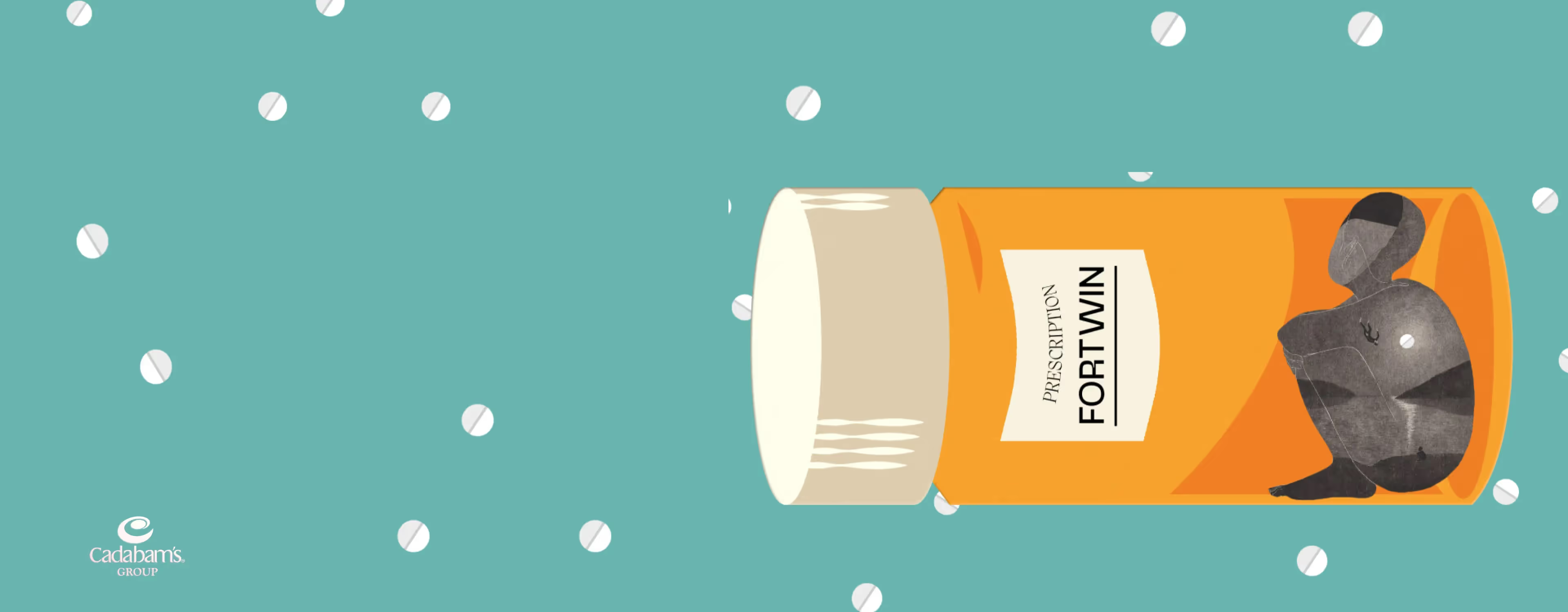
Family-inclusive care is a transformative approach in modern addiction and mental health treatment. It moves beyond focusing solely on the individual to engage the entire family system in the healing process. When families participate in structured, evidence-based systemic therapy, recovery outcomes improve dramatically. This method offers a dual benefit: it fosters a healthier emotional environment at home and produces measurable clinical progress, creating a strong foundation for lasting well-being.
Why Do Family-Inclusive Care Models Matter in Addiction Recovery?
Addiction and mental health challenges are deeply influenced by family dynamics, communication patterns, and shared stress. The home environment can either support recovery or increase the risk of relapse.
Family-inclusive care models address this by involving families as active participants in treatment, helping create a more stable and supportive recovery environment.
Key reasons this approach improves recovery include:
- Stronger emotional support systems: Individuals are more likely to regulate emotions effectively when supported by understanding family members.
- Improved motivation for treatment: Active family involvement in treatment increases accountability and engagement in recovery.
- Reduced relapse risk: A structured and supportive home environment helps manage triggers and prevent setbacks.
- Better communication within families: Families learn to express concerns, needs, and emotions in healthier ways.
- Shift from blame to shared responsibility: Instead of focusing on fault, families work together toward recovery and healing.
What Is Systemic Therapy in Family-Inclusive Care Models?
Systemic therapy for addiction is a cornerstone of effective family-inclusive care models. Instead of viewing the individual as the "problem," this approach sees their behaviour as a symptom of a larger, interconnected family system. The focus shifts from analysing one person to understanding the relationships, rules, and communication patterns that influence everyone.
What Are The Core Principles of Systemic Therapy for Addiction?
Systemic therapy is built on understanding patterns within relationships rather than isolating individual behaviour. Key principles include:
- Focus on Relationships: The primary target for change is not the individual but the patterns of interaction between family members.
- Behaviour as Communication: Actions, even destructive ones, are seen as attempts to communicate needs or maintain balance within the family system.
- Patterns and Roles: The therapy identifies and addresses recurring cycles of communication and the emotional roles each member plays (e.g., the caregiver, the scapegoat).
What Are the Goals of Systemic Therapy in Addiction Recovery?
The goal of systemic therapy is to create healthier family dynamics that support long-term recovery. This includes:
- Reduce Blame and Guilt: Shift from fault-finding to understanding how everyone contributes to and is affected by the system.
- Improve Communication: Teach clear, direct, and empathetic ways of expressing needs and emotions.
- Shift Unhelpful Cycles: Interrupt negative interaction patterns and co-create healthier alternatives.
- Strengthen Resilience: Build the family's collective ability to solve problems, manage stress, and support recovery pathways.
What Are the Key Components of Family-Inclusive Care Models?
Effective family-based recovery models are not random; they are structured programs built on key components designed to educate, empower, and engage family members as active participants in the healing journey. These elements work together to create a supportive and informed home environment.
Psychoeducation for Families in Addiction Recovery
Psychoeducation is the foundational step where families receive clear, evidence-based information about the condition. This process helps demystify the illness and provides a common language for discussion.
- Understanding the nature of the addiction or mental health disorder.
- Learning about triggers, cravings, and emotional cycles.
- Reducing stigma and correcting misinformation with facts.
- Gaining insight into the recovery process and realistic timelines.
What Skills Do Families Learn in Family-Based Recovery Models?
Knowledge alone is not enough. Families need practical tools to manage difficult situations. Skills training workshops focus on teaching actionable techniques.
- Communication: Learning to listen actively, express needs without blame (e.g., "I feel" statements), and validate others' feelings.
- De-escalation: Techniques to reduce the intensity of conflicts before they become destructive.
- Problem-Solving and Boundary-Setting: Collaboratively finding solutions to problems and establishing healthy limits to protect individual and family well-being.
How Does Collaborative Treatment Planning Improve Outcomes?
In this model, families are partners in care, not passive observers. Treatment plans are co-created to ensure everyone is aligned and understands their role.
- Families participate in setting measurable, achievable goals.
- Clear expectations for communication and behaviour are established for everyone.
- Roles and responsibilities are defined, fostering accountability and mutual support.
For expert guidance on implementing these strategies, connect with a specialist. Call +91 9611194949 to learn more about Cadabam’s family-inclusive programs.
What Measurable Outcomes Show the Effectiveness of Family-Inclusive Care Models?
A significant advantage of family-inclusive care models is the ability to track clear, tangible improvements. Measurable outcomes in family therapy go beyond subjective feelings of "getting better" and provide concrete evidence of progress for both the individual and the family unit. These outcomes demonstrate the effectiveness of the treatment and motivate continued engagement.
Clinical Outcomes That Improve with Family-Inclusive Care
These metrics focus on the individual's direct progress in their addiction recovery journey:
- Reduced Relapse Frequency: A significant decrease in the number and severity of relapse episodes.
- Increased Treatment Adherence: Higher rates of attendance at therapy sessions, medication compliance, and engagement in recovery activities.
- Lower Psychiatric Distress: Measurable reductions in symptoms of co-occurring conditions like anxiety, depression, and stress, often tracked using clinical scales.
What Family Therapy Outcomes Improve in Family-Based Recovery Models?
These indicators measure the health and functionality of the family system itself.
- Improved Communication Scores: Pre- and post-treatment assessments often show marked improvement in how families communicate and resolve conflicts.
- Reduced Expressed Emotion: A decrease in critical, hostile, or overly emotional comments within the family, which is a known predictor of relapse.
- Strengthened Support Networks: Families report feeling more connected, supportive, and capable of handling stress together.
How Are Family-Inclusive Care Models Implemented in Addiction Treatment?
Integrating families into treatment requires a structured approach. Family-based recovery models use several formats to ensure that support is consistent, effective, and tailored to the family's needs. These implementation strategies are designed to translate therapeutic concepts into real-world practice.
Weekly Family Sessions in Addiction Recovery
These are core to the process. The individual in treatment and key family members meet with a therapist for structured sessions. The focus is on addressing specific behaviours, communication breakdowns, and emotional patterns that have emerged during the week. These meetings create a safe space to practice new skills with professional guidance.
How Do Multi-Family Groups Support Recovery from Addiction?
Multi-family groups create a shared space where different families learn and grow together.
This helps to:
- Reduce feelings of isolation by realising others face similar struggles.
- Learn practical strategies from other families' experiences.
- Build a wider support network beyond the immediate household.
Home-Practice Activities to Strengthen Recovery at Home
Recovery does not stop after a therapy session. Families are encouraged to apply what they learn in daily life.
This can include:
- Using better communication techniques during everyday conversations.
- Practising calm responses during disagreements or stressful situations.
- Working together to solve problems in a healthier and more supportive way.
How Can Families Respond to Early Warning Signs During Addiction Recovery?
Recovery often involves moments of stress or emotional difficulty. What makes family-inclusive care models effective is how families respond during these moments using skills learned in therapy.
A typical response process may look like this:
- A stressful situation begins to build: This could be work pressure, conflict at home, or feelings of loneliness that start affecting emotional stability.
- Early signs of struggle appear: Family members may notice withdrawal, irritability, avoidance, or subtle mentions of cravings.
- Supportive action is taken: Instead of reacting with blame or panic, the family responds calmly by starting a conversation, offering support, or encouraging healthy coping strategies.
- Stability is gradually restored: The situation settles, communication improves, and the individual feels supported rather than judged, reducing the risk of relapse.
This approach strengthens family involvement in treatment and shows how small, timely actions can make a significant difference in recovery outcomes.
Who Benefits Most from Family-Inclusive Care Models in Addiction Recovery?
While family involvement in treatment is broadly beneficial, certain situations and demographics see particularly strong results. Understanding who is best suited for these models helps ensure the right level of care is provided at the right time.
Best Candidates for Family-Based Recovery Models
These models are particularly helpful when the family environment directly influences recovery.
They work well for:
- Adolescents and Young Adults: Individuals in this age group are often still living at home or are financially dependent, making the family environment a critical factor in their recovery.
- Adults with Co-occurring Mental Health Conditions: When conditions like depression, anxiety, or bipolar disorder are present alongside addiction, a supportive family system is vital for managing complex symptoms.
- Individuals with Unstable Home Environments: Systemic therapy can help transform a chaotic or stressful home into a structured and supportive setting conducive to recovery.
- Families Experiencing Communication Difficulties: These models are specifically designed to repair broken communication, reduce conflict, and rebuild trust.
When Might Family-Inclusive Care Models Need to Be Adapted?
While highly effective, these models may need adjustments in certain situations to ensure safety and effectiveness.
This includes:
- High-Conflict Households: In cases with ongoing, severe conflict, individual therapy may be needed first to stabilise a person before joint sessions begin.
- Safety Risks: If there is a history or risk of domestic violence, abuse, or neglect, safety is the first priority. A modified approach with strict safety protocols is essential.
- Severe Codependency: When relationship dynamics are deeply enmeshed, individual work may be required to help family members establish healthier boundaries before they can effectively participate in joint therapy.
Strengthen Addiction Recovery Outcomes with Cadabam’s Family-Centred Approach
Family-inclusive care models are not just an add-on to treatment; they are a fundamental component of achieving robust, lasting recovery. By leveraging systemic therapy for addiction, these models shift the focus from individual blame to shared solutions. The emphasis on measurable outcomes—from reduced relapse rates to improved family communication—provides clear proof of its effectiveness. By strengthening the entire family system, we create a resilient foundation that reduces vulnerability and empowers everyone involved in the journey toward wellness.
If you are searching for a solution to your problem, Cadabam’s Rehabilitation Centre can help you with its team of specialised experts. We have been helping thousands of people live healthier and happier lives for 33+ years. We leverage evidence-based approaches and holistic treatment methods to help individuals effectively manage their drug addiction. Get in touch with us today. You can call us at +91 96111 94949.
Free · Confidential
Book screening with our triage team
Speak to a clinician in minutes. We’ll help you figure out the right next step.