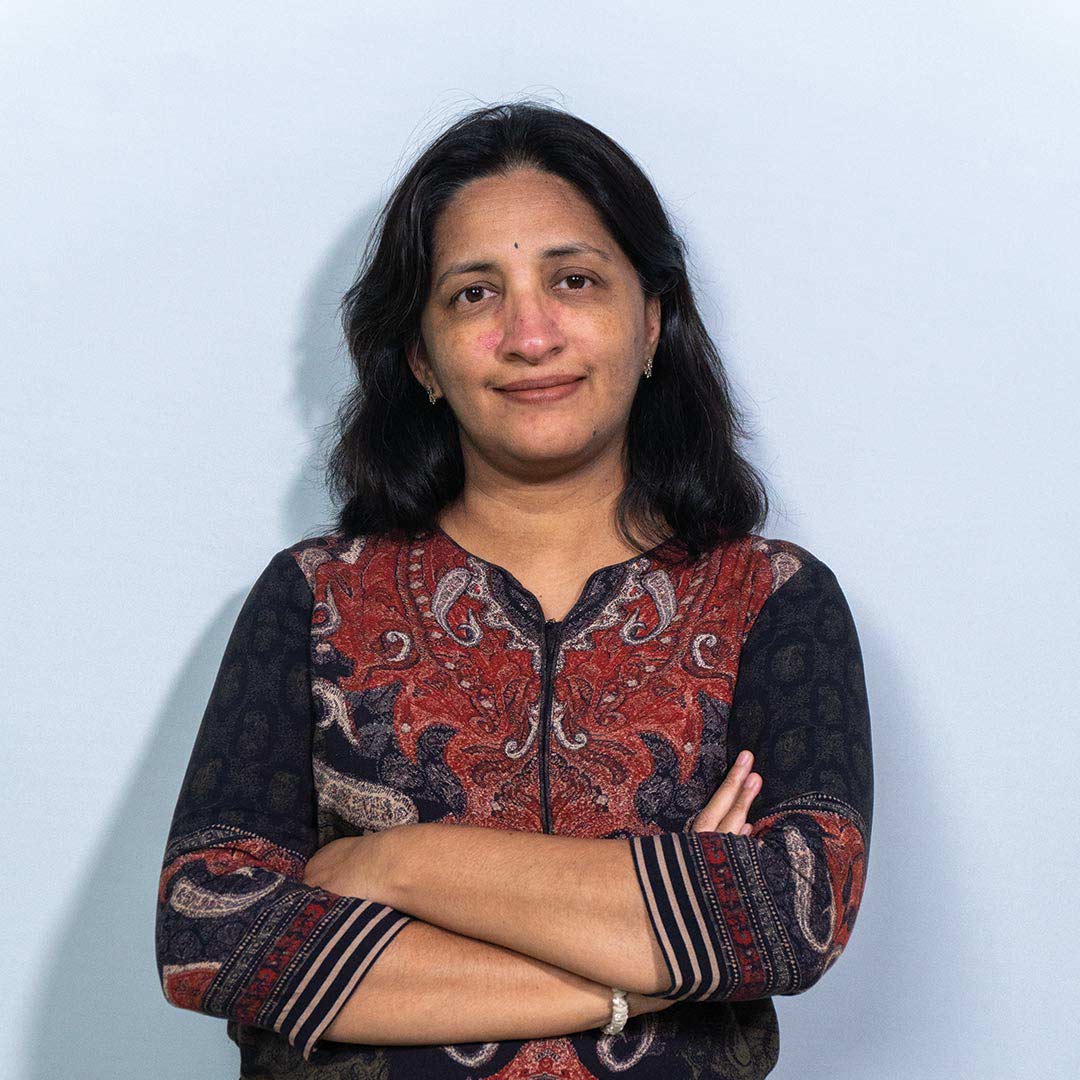
Psychiatrist
Dr. R. Priya Raghavan
Consultant Psychiatrist
21 years of experience
Treats: SLD, Autism Spectrum Disorder, Dementia, Schizophrenia, Bipolar Disorder, OCD, Drug Addiction
View profileDrug Addiction or Substance Abuse is when the individual loses their ability to regulate the intake of substances or become dependent on a drug to function in daily life. What substances can cause addiction? Alcohol, marijuana, recreational drugs, and prescription drugs can all cause addiction. Individuals can get exposed to the drug under various circumstances. These can include parties, influence of friends, or even prescriptions for specific conditions.
All substances have adverse effects on the human body. However, addiction leads people to overlook these adverse effects. In case they are prevented from accessing the drug, they exhibit withdrawal symptoms like paranoia, headache, stomach aches, fever and irrational behaviour.
What to look for
Meet the clinicians
Psychiatrist
Consultant Psychiatrist
21 years of experience
Treats: SLD, Autism Spectrum Disorder, Dementia, Schizophrenia, Bipolar Disorder, OCD, Drug Addiction
View profile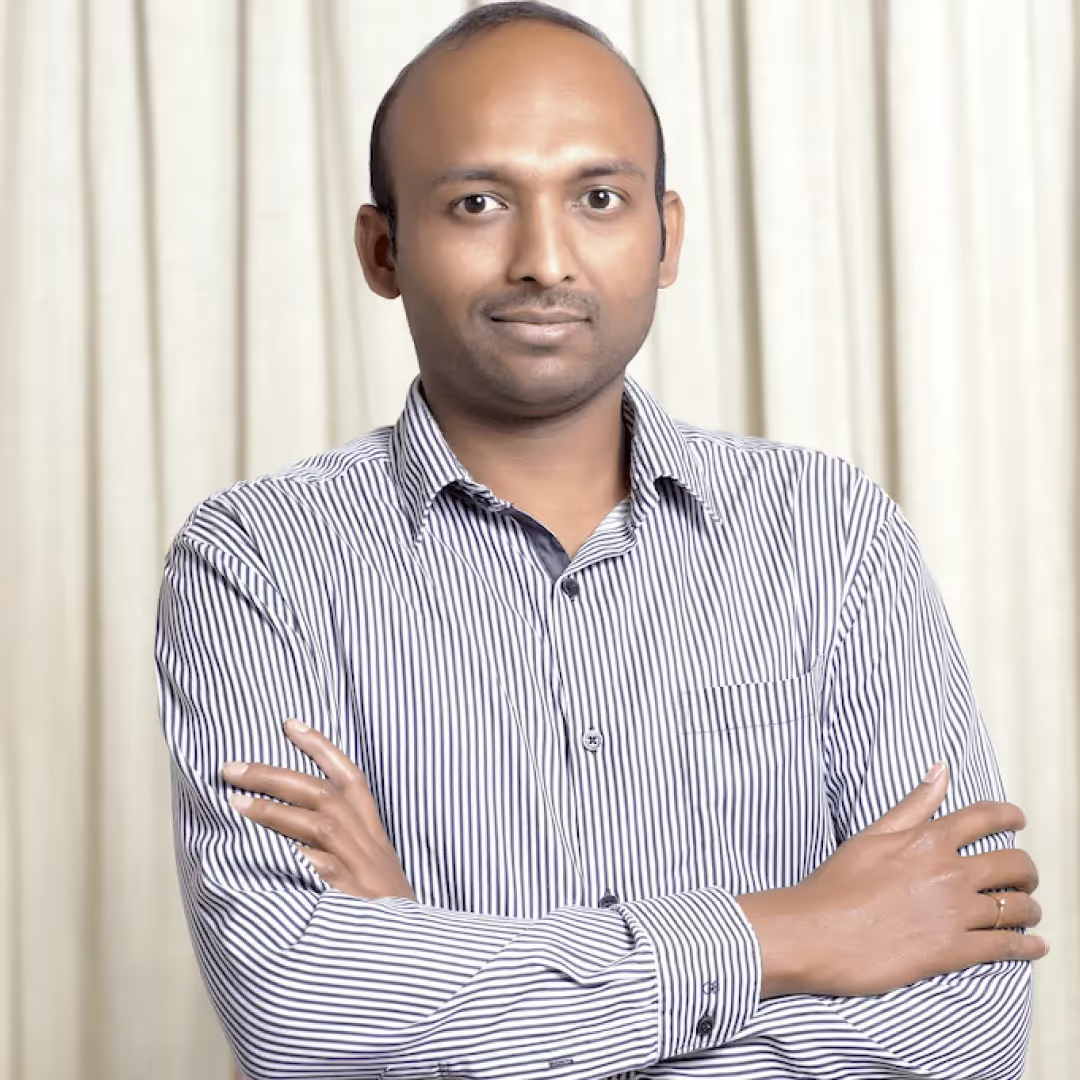
Psychiatrist
Consultant Psychiatrist
15 years of experience
Treats: Drug Addiction, Alcohol Dependence, Dementia, Depression, Bipolar Disorder, OCD, Personality Disorder, Schizophrenia, Autism Spectrum Disorder
View profile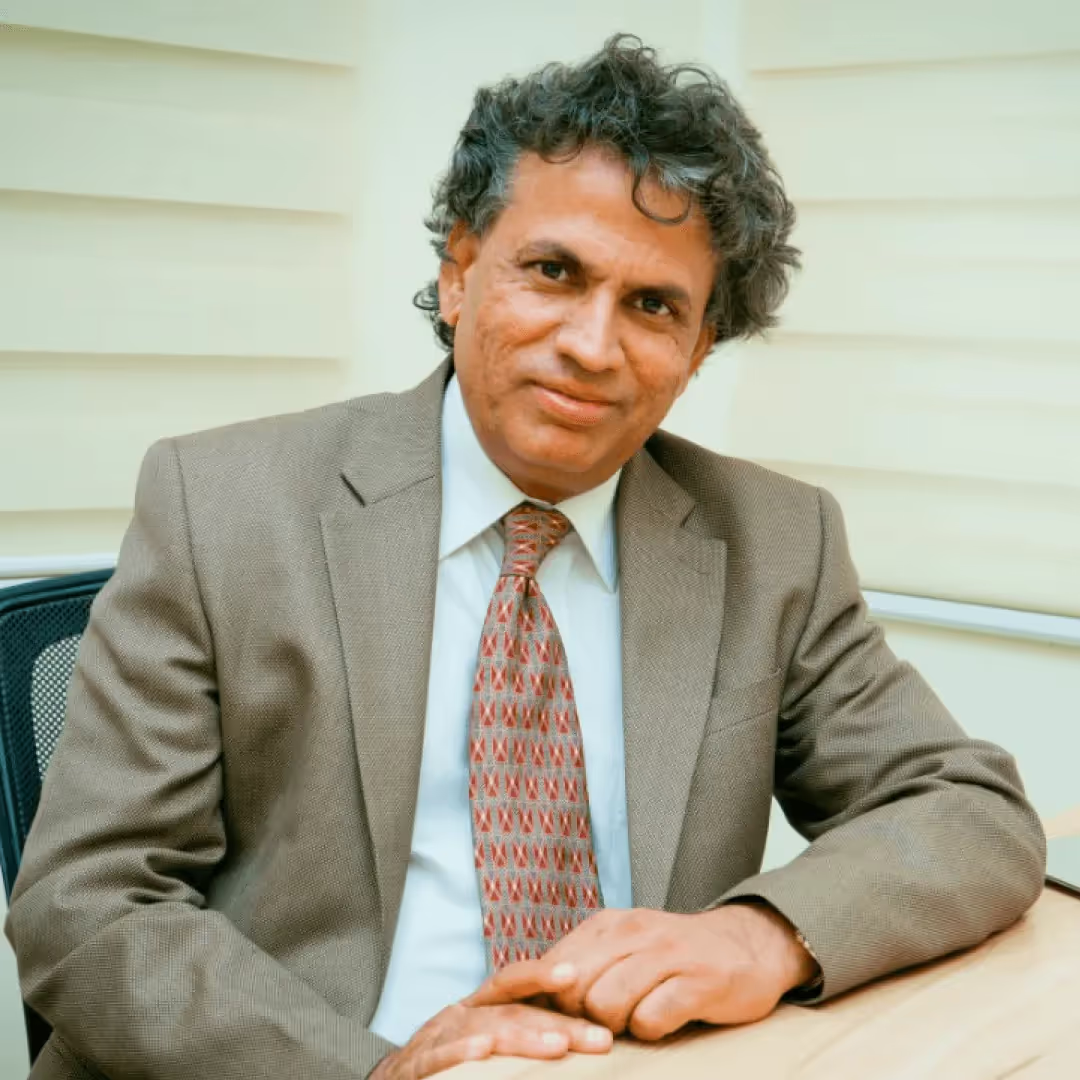
Psychiatrist
Medical Director
25 years of experience
Treats: Alcohol Dependence, Bipolar Disorder, Dementia, Schizophrenia, Drug Addiction, Personality Disorder, OCD
View profile
Psychologist
Clinical Psychologist
8 years of experience
Treats: Depression, Bipolar Disorder, Alcohol Dependence, Drug Addiction, Personality Disorder
View profile
Psychologist
Clinical Psychologist
11 years of experience
Treats: OCD, Depression, Autism Spectrum Disorder, Dementia, SLD
View profileWhy it happens
Causes of drug addiction are multifaceted, involving genetic predisposition, environmental factors, peer pressure, emotional distress, and early exposure.
Genetics plays a crucial role in the likelihood of developing drug addiction. Research indicates that genetic predisposition accounts for 40-60% of an individual's risk. This genetic vulnerability influences how one's brain reacts to drugs, potentially leading to faster and more intense addiction development compared to others.
An individual's environment, including family, friends, socioeconomic status, and exposure to drug use, significantly impacts addiction risk. Early exposure to drug use, lack of parental supervision, and social environments that normalize substance abuse can increase the likelihood of developing drug addiction, reinforcing behaviors and attitudes conducive to substance abuse.
Comorbidity refers to the coexistence of drug addiction with other mental health disorders, such as depression, anxiety, or bipolar disorder. Individuals often use drugs as a form of self-medication for these conditions, leading to a cycle where both the mental health issue and the drug addiction exacerbate each other, complicating treatment and recovery processes.
Psychological factors significantly influence the risk of drug addiction. Mental health disorders, stress, and trauma can drive individuals towards using drugs as a coping mechanism or form of self-medication. This misuse can lead to dependency, as the drugs provide temporary relief or escape, thereby increasing the likelihood of developing an addiction.
Limited access to resources such as education, employment opportunities, and recreational activities can contribute to drug addiction. When individuals lack these resources, they may turn to drugs as a form of escape or entertainment, seeking solace or excitement in substance use amidst their unmet needs and aspirations.
Free resource
Understand the various aspects of this condition
Download now
Risk factors for developing drug addiction include genetic predisposition, mental health disorders, peer pressure, lack of family involvement, early exposure to drug use, and traumatic experiences such as abuse or neglect. Environmental stresses, socio-economic status, and accessibility to drugs also play significant roles. These factors can interact in complex ways, increasing the vulnerability of an individual to substance use disorders.
How it presents
Types of drug addiction encompass a range of substances, from legal prescriptions to illicit drugs, each with unique effects and challenges.
Addiction to over-the-counter (OTC) or prescription medications can be as damaging as dependency on illegal substances like cocaine, methamphetamine, or LSD. These legal drugs can induce a significant high, making it challenging to break free from their hold. Addiction to OTC drugs often begins when individuals misuse medication by taking it in ways not intended by the prescription—either drugs prescribed to themselves or others, in higher doses for the euphoric effect or for recreational use rather than for medical reasons. Misuse of prescription drugs can lead to serious mental health issues, including anxiety, depression, and stress. A prevalent example of OTC drug misuse is the consumption of excessive amounts of cough syrup containing codeine, known colloquially as "lean," to achieve a euphoric state.
Heroin, crystal meth, LSD, ecstasy, and MDMA are classified as part of opioid addiction. For those addicted, obtaining these drugs can be challenging, and the comedown from their highs often leads to symptoms such as fever, fatigue, agitation, anxiety, and irritability, persisting until the next euphoric experience. Recovery from addictions to opioids is particularly arduous and prolonged due to their physiological solid dependence.
Marijuana is frequently labeled as a gateway drug for many individuals, typically introduced at social gatherings or parties. While medical marijuana is legal in some countries, it remains prohibited in many others. Excessive use can lead to a state of lethargy, as well as cognitive impairments such as memory loss and decreased appetite.
Nicotine ranks among the most addictive substances worldwide, providing a fleeting sensation of euphoria that quickly leads to a desire for more, prompting continued use until satisfaction is achieved. Due to the high tolerance humans develop for nicotine, individuals often find themselves smoking increasingly larger quantities to experience the desired effect. Moreover, nicotine is a leading cause of cancer and various other health conditions.
These central nervous system depressants are used to treat anxiety, insomnia, and seizure disorders. However, they carry a high risk of addiction. Misuse can lead to respiratory distress, coma, or death. Withdrawal from these substances is particularly dangerous and can be life-threatening without proper medical supervision.
Stimulants like methamphetamine and cocaine increase alertness, attention, and energy. Their high potential for addiction stems from the intense euphoria they produce, leading to serious physical and psychological effects, including heart problems, paranoia, and aggressive behavior. Withdrawal symptoms include depression and extreme fatigue.
This category includes substances commonly used in nightclubs and parties, such as MDMA (Ecstasy), GHB, and ketamine. They are known for altering perception and enhancing sociability, but they can lead to serious health risks like dehydration, heatstroke, and in severe cases, fatal respiratory issues.
Substances like LSD, psilocybin (magic mushrooms), and PCP cause profound alterations in perception, mood, and thought. The risk of psychological addiction includes the potential for experiencing terrifying delusions and visual hallucinations, with long-term use possibly leading to persistent psychosis and flashbacks.
Inhalants encompass many breathable chemical vapors that produce psychoactive effects, including household products like glue, paint thinners, and nitrous oxide. Their effects are immediate and can include euphoria, but chronic use can lead to serious damage to the heart, kidneys, lungs, and brain.
Opioids, including prescription medications like oxycodone, hydrocodone, and fentanyl, are potent pain relievers with a high addiction potential. They produce euphoria alongside pain relief, but misuse can lead to overdose deaths, particularly with the rise of synthetic opioids, which are significantly more potent than their natural counterparts.
Residential treatment or drug rehab centers offer a structured environment for overcoming addiction, providing medical detoxification, therapy, and support groups to address the physical and psychological aspects of addiction. These programs customise treatment plans to meet individual needs, facilitating recovery through a holistic approach. For comprehensive care and support on this journey, consider Cadabams, a state-of-the-art facility dedicated to helping individuals regain control over their lives and embark on recovery.
Rehabilitation
Rehabilitation for drug addiction is a multi-faceted process that addresses the physical, psychological, and social aspects of dependency. It includes medically supervised detoxification, behavioral therapies, counseling, and support groups aiming to treat the underlying causes of addiction. Rehabilitation programs often provide skills training, relapse prevention education, and aftercare planning to ensure long-term sobriety. The goal is to empower individuals to rebuild their lives, maintain sobriety, and enhance their overall quality of life.
Cadabams is dedicated to empowering lives by overcoming drug addiction, offering a beacon of hope through comprehensive rehabilitation services. With a blend of advanced medical care, psychological support, and personalized treatment plans, Cadabams commits to guiding individuals through their recovery journey. Our approach fosters resilience, healing, and a sustainable path toward sobriety, emphasizing the dignity and potential of every individual seeking a new beginning.
Podcast & video
Our centres
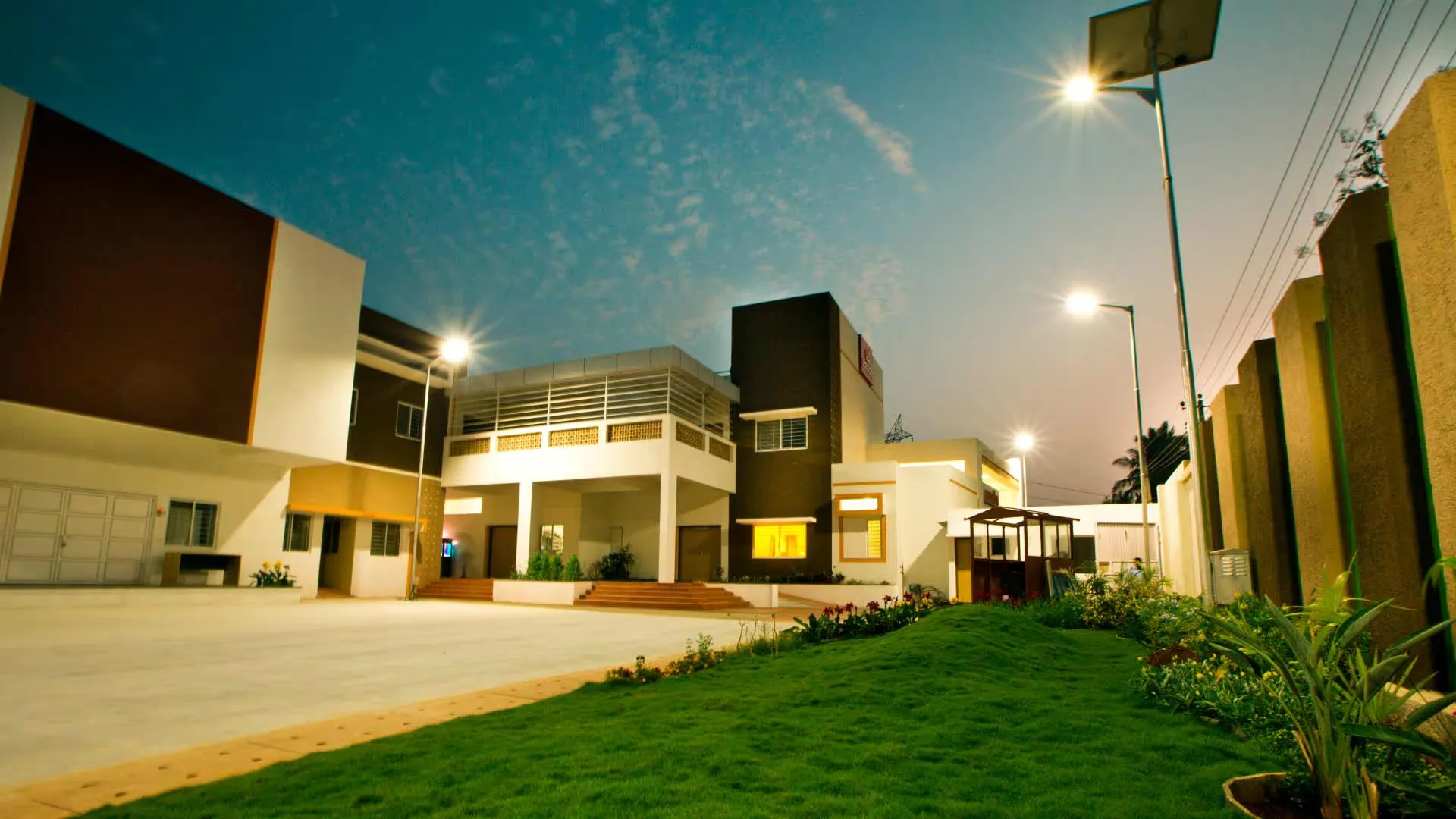
Our Specialised De-Addiction Centre in Bangalore
Read more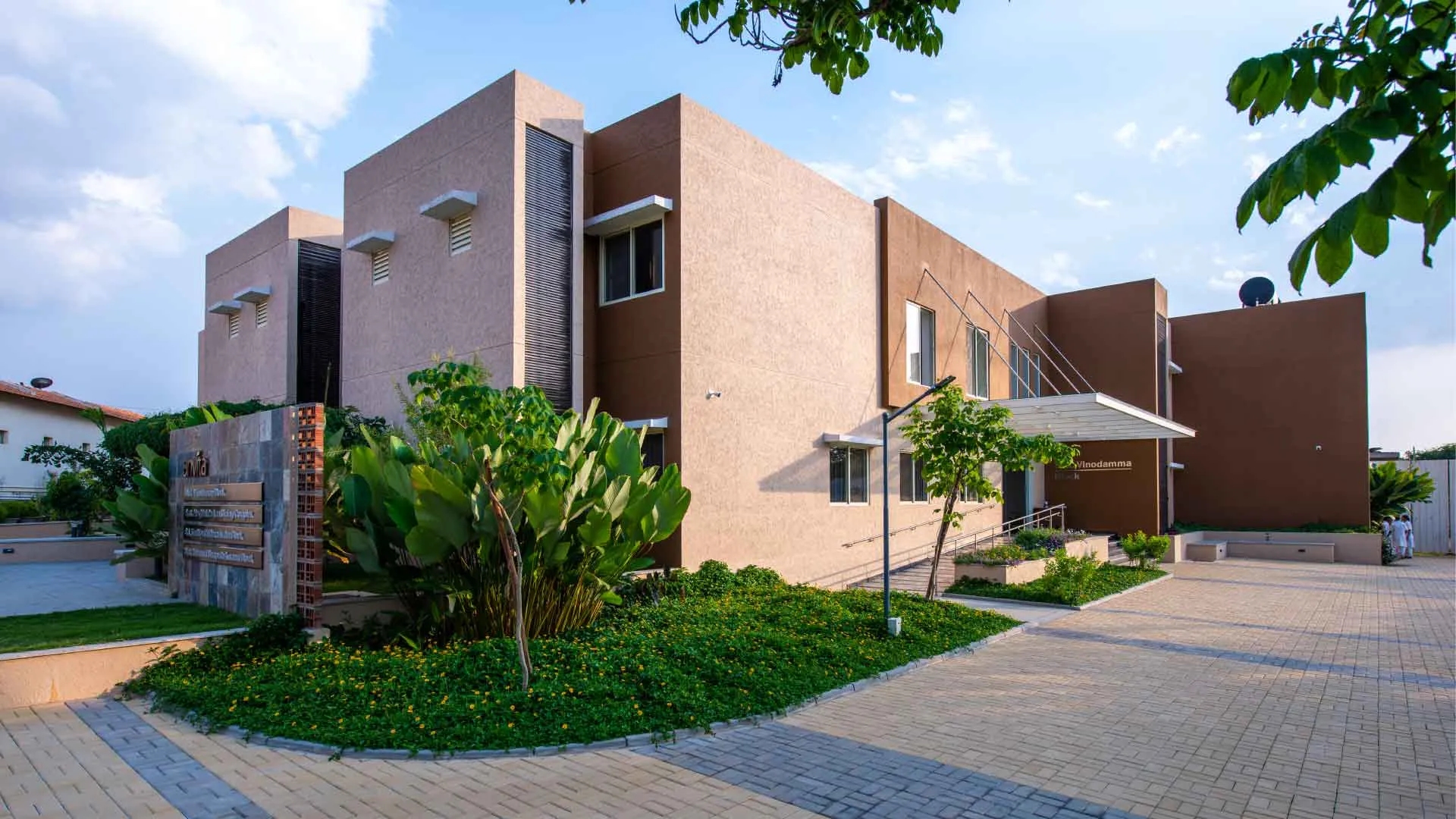
Long-Term Rehabilitation Center in Bangalore, India
Read more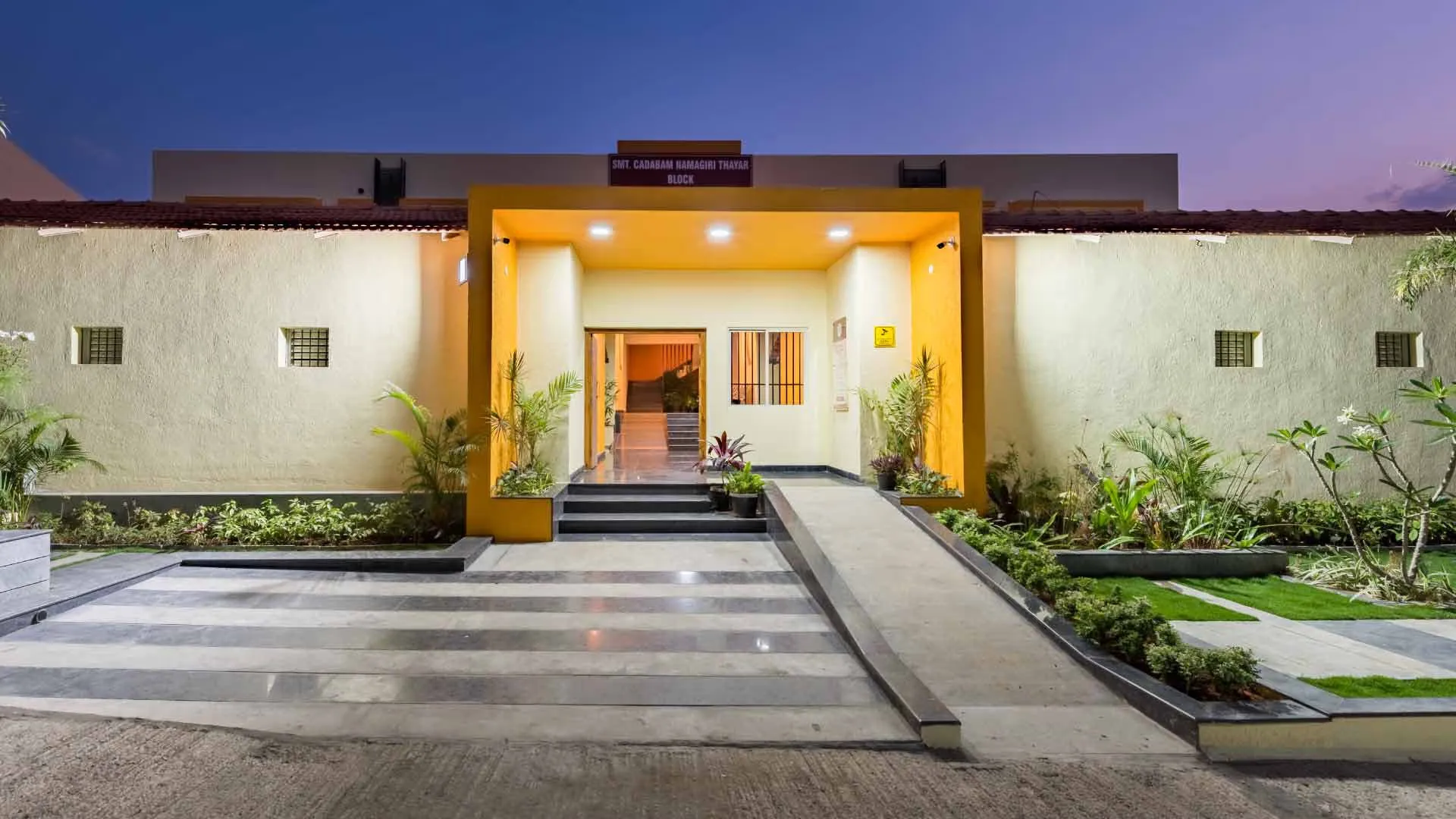
Advanced Psychiatric Rehab Centre in Bangalore
Read more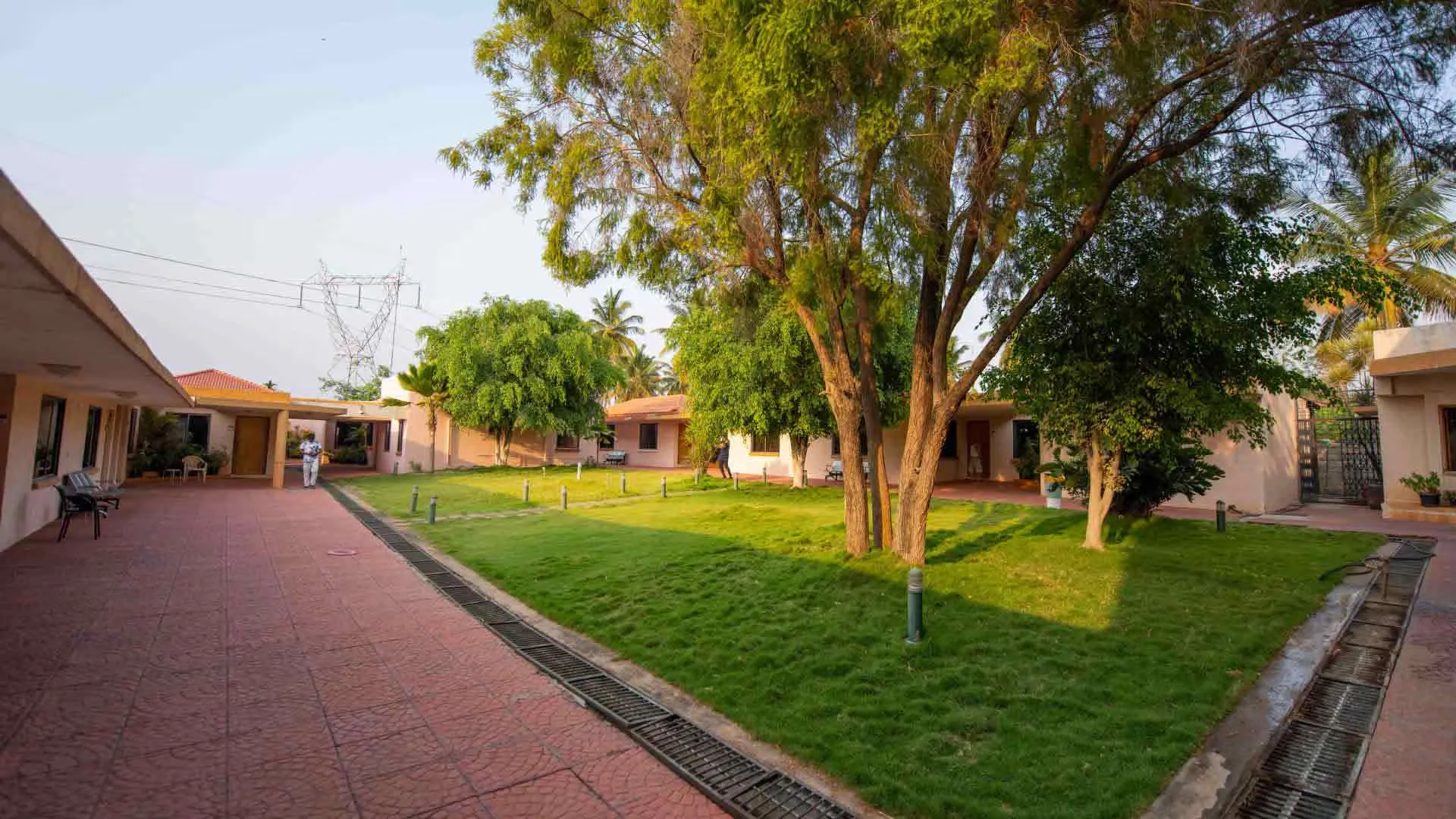
Luxury Rehabilitation Center in Bangalore, India
Read more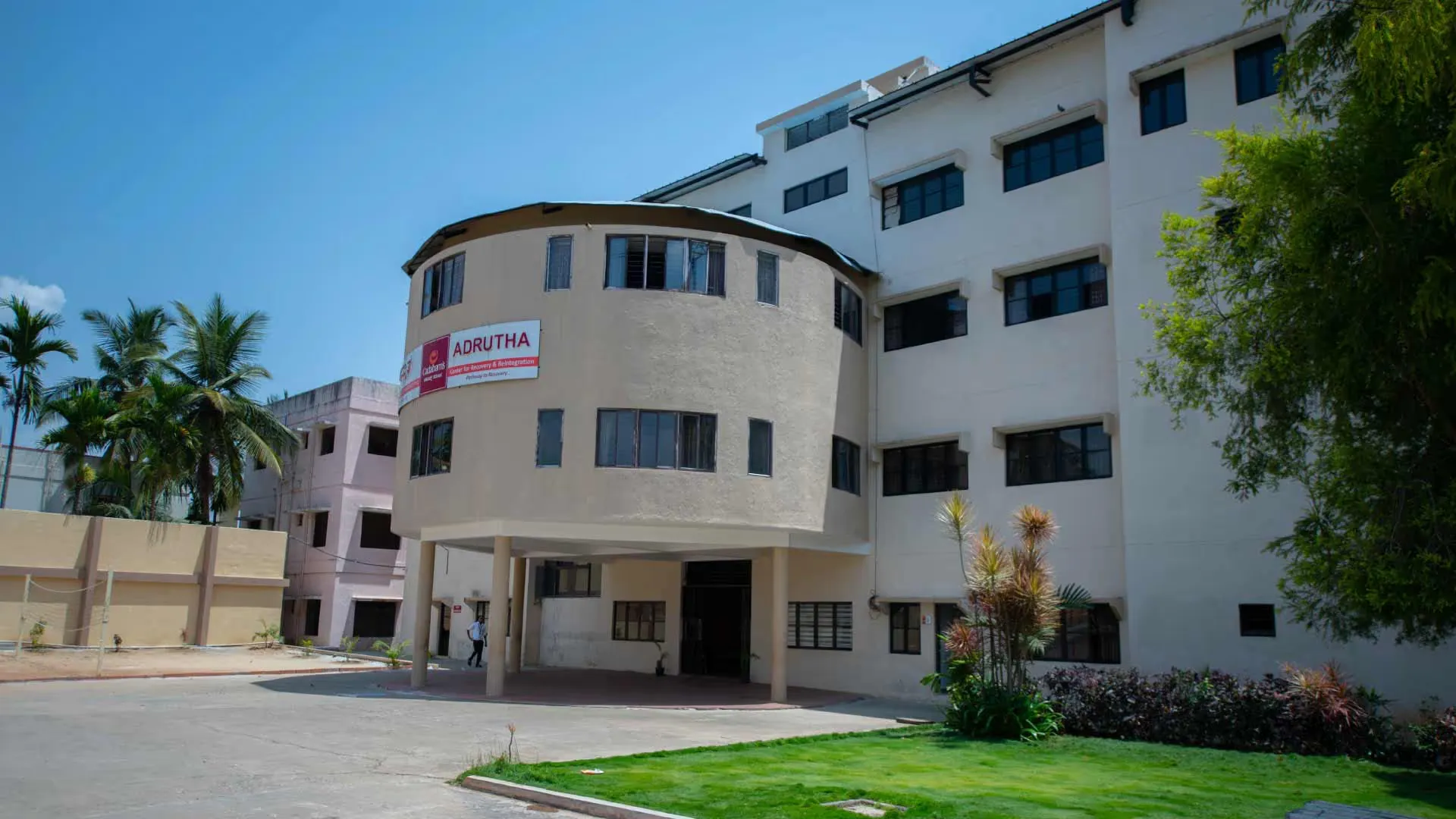
Our Affordable Rehab Centre in Bangalore
Read more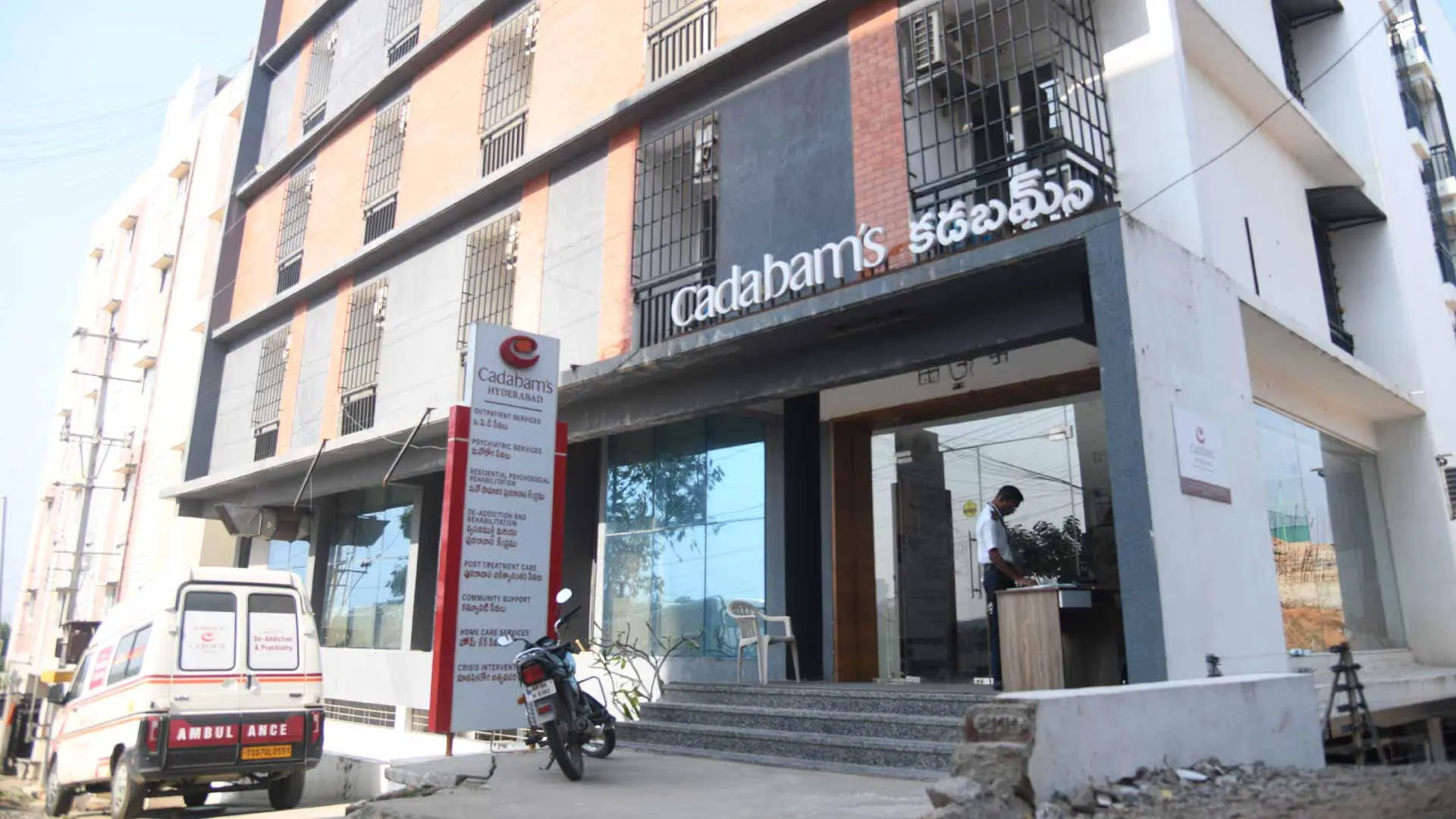
Our Advanced Mental Health Rehab Centre In Hyderabad
Read more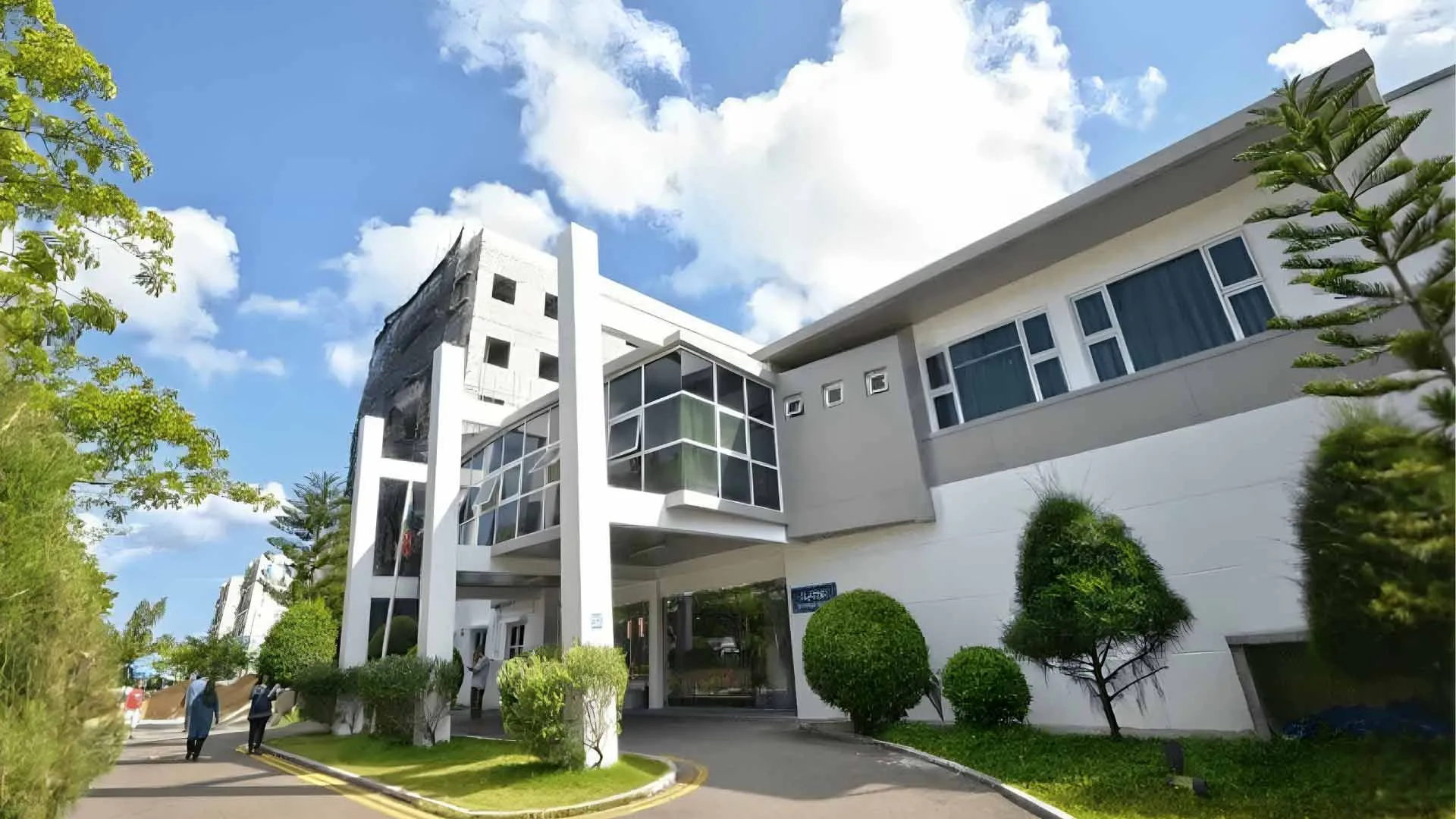
Premier Mental Health & Rehabilitation Centre in Maldives
Read moreDiagnosis
The diagnosis of drug addiction involves a comprehensive evaluation by healthcare professionals, including a detailed medical history, physical examination, and often, psychological assessments. Criteria from the Diagnostic and Statistical Manual of Mental Disorders (DSM) guide the diagnosis, focusing on patterns of substance use that lead to significant impairment or distress. This includes compulsive drug seeking, inability to control drug use, tolerance, withdrawal symptoms, and the neglect of major roles in life due to substance use. Additional tests may include blood, urine, or other laboratory screenings to detect drug presence.
Good to know
Seeking a doctor's advice is crucial when substance use interferes with daily life, such as affecting relationships, job performance, or health. Warning signs include an inability to stop using the substance despite wanting to, experiencing withdrawal symptoms, or using drugs to cope with problems. Early intervention can prevent the escalation of addiction and facilitate the journey towards recovery and improved well-being.
How we help
Drug addiction treatment centers are available to help people find a way to escape drug addiction and substance abuse. Many treatments of drug addiction provide tools and therapy that effectively defeat the drug addiction and get them back on the right path. Constant drug abuse treatment will set the patient on a happy, productive, and successful journey. Drug rehab centers help guide sufferers with 12-step programs. They also include therapeutic sessions and interventions with counseling, cognitive behavioral therapy, and group therapy like yoga, meditation, etc. Most reputed treatment centers provide drug addiction treatment with round-the-clock assistance and care. They include qualified counselors with years of experience, general psychiatrists, physicians, and psychologists. The patients are provided with expert medical care and support, which will help them recover from addiction.
The best treatment of drug addiction is admitting the patient to a rehabilitation center because it provides them with a safe and comfortable atmosphere. Effective drug abuse treatment also includes preventing any relapse. Post-rehab therapy is crucial because it prevents them from falling into the pits of addiction and start the cycle of substance abuse all over again. There are many ways to help a patient through the process of drug recovery. Depending on the nature of the addiction, drug rehab centers and methods for treatment and rehabilitation of drug addicts are prescribed. The most common forms of drug addiction and their treatment are:
Emergency service
Find nearest mental health center now

33+ years of focused mental healthcare, shaped by 1000+ real patient journeys.

State of the art mental health centres built for treatment and recovery.

A coordinated team of psychiatrists, psychologists, counsellors, and rehabilitation specialists supporting your care.

Support from early signs through treatment and recovery.

Treatment guided by clear plans that continue beyond diagnosis.

Planned follow ups and continued guidance to help maintain progress over time.
Inside our centres
FAQs
Patient journeys
Voices of Resilience
Paranoid Schizophrenia - Seeta's Story
Depression due to Abortion and Paranoid Schizophrenia
Read story →Voices of Resilience
Comorbid Disorders - Akash's Story
OCD, Bipolar and Substance Abuse Disoder along with Tic Disorder
Read story →Voices of Resilience
Bipolar Affective Disoder - Meena's Story
Depression, Bipolar Affective Disorder, and Obsessive Compulsive Disorder
Read story →Voices of Resilience
Borderline Personality Disorder - Sumadhra's Story
Emotionally Unstable with Borderline Personality Disorder
Read story →Voices of recovery
The post-rehab care program really helped me. I had recovered from addiction, but was tempted again after some months of discharge. But, post-rehab care with the treating team here at Cadabams, really helped me keep my head straight.
— Mahesh R
My son had fallen into drug addiction. Rehabilitation here really has helped him recover.
— Rajendra
My little brother. The apple of the family's eye. He is my favourite person. But, drug addiction took its toll on him. He stopped interacting with us, he became very secretive and he started having multiple health problems. We finally made the decision to avail rehabilitation at Cadabams. The change in him has been immense. Through rehabilitation at Cadabams, he has learnt how to stay off the substance and we truly believe that this recovery will be sustained.
— Ananya Srinivasan
Drugs were always a means of escape for me. Sometimes, it seemed easier to consume drugs rather than face reality. My family was very supportive while I tried to fight addiction. We learn about Cadabam's and I enrolled into their drug rehabilitation program. Today, I have recovered from addiction, and am in control of my life. I will never forget what Cadabam's did for me.
— Varsha Govindraj
Further reading




Care pathways
Psychiatrist care for Drug Addiction with personalised assessment, treatment planning, and ongoing support from experienced specialists.
Learn moreLooking for the best Psychiatrist for Drug Addiction in Bangalore? Get expert consultation, symptom management, and confidential clinical care.
Learn morePsychologist care for Drug Addiction with personalised assessment, treatment planning, and ongoing support from experienced specialists.
Learn moreLooking for the best Psychologist for Drug Addiction in Bangalore? Get expert consultation, symptom management, and confidential clinical care.
Learn moreTherapist care for Drug Addiction with personalised assessment, treatment planning, and ongoing support from experienced specialists.
Learn moreLooking for the best Therapist for Drug Addiction in Bangalore? Get expert consultation, symptom management, and confidential clinical care.
Learn moreLooking for the best Therapist for Drug Addiction in Hyderabad? Get expert consultation, symptom management, and confidential clinical care.
Learn moreCounselor care for Drug Addiction with personalised assessment, treatment planning, and ongoing support from experienced specialists.
Learn moreLooking for the best counselor for Drug Addiction in Bangalore? Get expert consultation, symptom management, and confidential clinical care.
Learn moreOur Drug Addiction rehabilitation treatment supports stability and sustained recovery. We offer evidence-based care for independence and lasting well-being.
Learn moreDrug Addiction rehabilitation in Bangalore with medication support, therapy, and personalised recovery plans. Trusted mental healthcare at Cadabam's.
Learn moreEffective drug addiction treatment center in Bangalore at Cadabams with therapy, detox & long-term recovery support.
Learn moreSpecialised treatment center for Drug Addiction offering psychiatric consultation, diagnosis, medication management, and therapy for long-term symptom stability.
Learn moreOvercome drug addiction with specialized treatment in Bangalore. Compassionate team offers effective support & professional help for recovery.
Learn moreLooking for the best Psychiatrist for Drug Addiction in Hyderabad? Get expert consultation, symptom management, and confidential clinical care.
Learn moreThe #1 de-addiction centre in Bangalore. Explore our effective treatments for redefining recovery. Achieve a substance-free life! Learn more about the treatment offered.
Learn moreDiscover a trusted de-addiction centre for drug addiction. Our comprehensive programs provide effective treatment and support for a path to recovery.
Learn moreLooking for the best counselor for Drug Addiction in Hyderabad? Get expert consultation, symptom management, and confidential clinical care.
Learn moreSpecialised Drug Addiction treatment center in Hyderabad offering psychiatric diagnosis, medication management, and therapy to support long-term symptom stability.
Learn moreLooking for the best Psychologist for Drug Addiction in Hyderabad? Get expert consultation, symptom management, and confidential clinical care.
Learn moreOvercome drug addiction Treatment in Hyderabad with our specialized rehab prorams. Our compassionate team offers effective support for recovery.
Learn moreComprehensive rehabilitation programs for Drug Addiction with personalised treatment plans, therapy, and long-term aftercare support.
Learn moreDiscover specialized Rehabilitation programs for drug addiction in Bangalore. Expert team provides effective support for a successful recovery journey.
Learn moreEffective drug addiction treatment in Bangalore at Cadabams with therapy, detox & long-term recovery support.
Learn moreHelpline at your fingertips
+91 9611194949